


A Diplomatic Arrival
In the heart of international diplomacy, India has made a unique and symbolic offering. Five young Indian peafowl were formally presented to the United Nations Office at Geneva (UNOG) in a special ceremony. The gift, handed over by India's Permanent Representative,
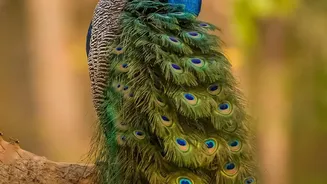
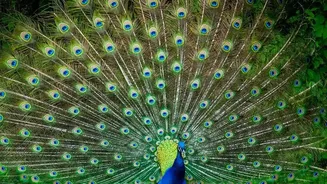
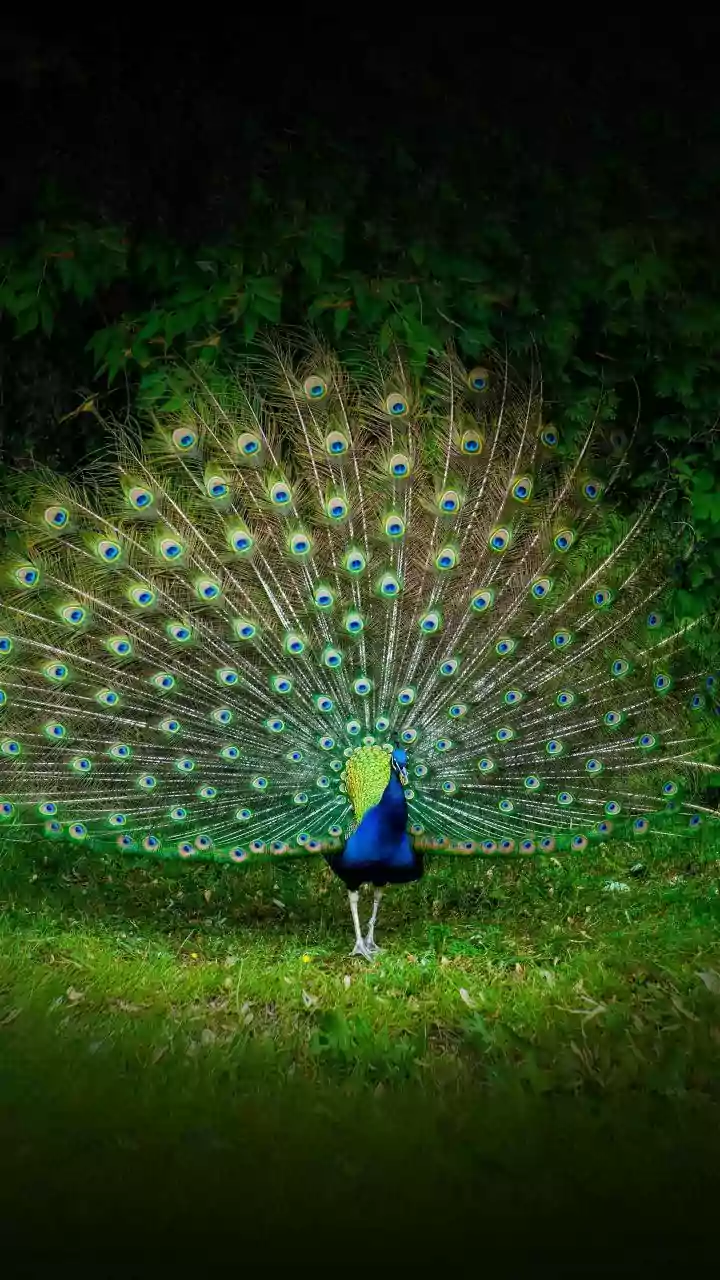
Arindam Bagchi, to UNOG Director-General Tatiana Valovaya, consists of four classic blue peafowl and one male with stunningly white plumage. The birds will initially spend three months in a specially prepared enclosure to acclimatise before they are allowed to roam freely in the sprawling grounds of the Palais des Nations. The gesture was immediately celebrated, with the UN noting the birds’ blue and white colours reflect those of the United Nations itself.
The Star of the Show
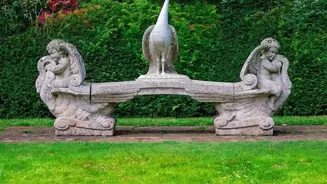
The undeniable highlight of this diplomatic flock is the white peacock. It's important to note this bird is not an albino but has leucism, a genetic trait that results in reduced pigmentation, giving it its snowy-white feathers while its eyes retain their colour. In many cultures, including within Indian spiritual traditions, the white peacock is a powerful symbol. It represents purity, divinity, and spiritual awakening. Seeing one is often considered a sign of good fortune and prosperity. This particular bird’s ethereal appearance has made it an instant star, perfectly embodying the message of peace and beauty at the heart of this diplomatic gift.
Reviving a Proud Tradition
This is not the first time India has sent its national bird to Geneva. The recent gift revives a tradition started in 1981, when then-Prime Minister Indira Gandhi sent a breeding pair of peacocks from the Delhi Zoo to the UN. The grounds of the UN’s European headquarters, known as Ariana Park, have a long history with these majestic birds. The tradition of peacocks roaming the estate predates even the UN itself, going back to the late 19th century when the original owner, Gustave Revilliod, bequeathed the land to Geneva with the condition that his beloved peacocks could always roam free. India's gift adds a new chapter to this century-old story, linking the nation's heritage directly with the park's unique history.
More Than Just Birds
In international relations, such acts are a form of 'soft power'—a way for a nation to project its culture and values without force. The Indian Peacock, or Pavo cristatus, is the national bird of India, deeply woven into the country's art, mythology, and identity. By gifting these birds, India shares a living symbol of its rich biodiversity and cultural ethos with the world. The Indian mission stated that the peacock represents “grace, beauty and resilience,” and symbolises India's commitment to environmental stewardship and multilateralism. It's a peaceful, yet powerful, way of enhancing the nation's presence on the global stage, earning goodwill and capturing imaginations in a way that speeches and treaties sometimes cannot.
A New Home in Ariana Park
The five new arrivals will join a small existing population of peacocks in the 46-hectare Ariana Park, one of Geneva's largest green spaces. The park provides a 'dream habitat' for the birds, with ample space, lush gardens, and a dedicated team of gardeners and specialists from the Geneva Bioparc zoo to oversee their care. For the thousands of diplomats, staff, and visitors who walk these grounds, the sight of India’s national bird roaming freely will serve as a constant, living reminder of the country’s vibrant natural heritage and its enduring partnership with the global community. It connects India's ecological treasures with the very centre of international cooperation.