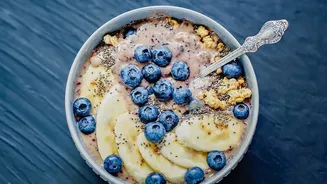

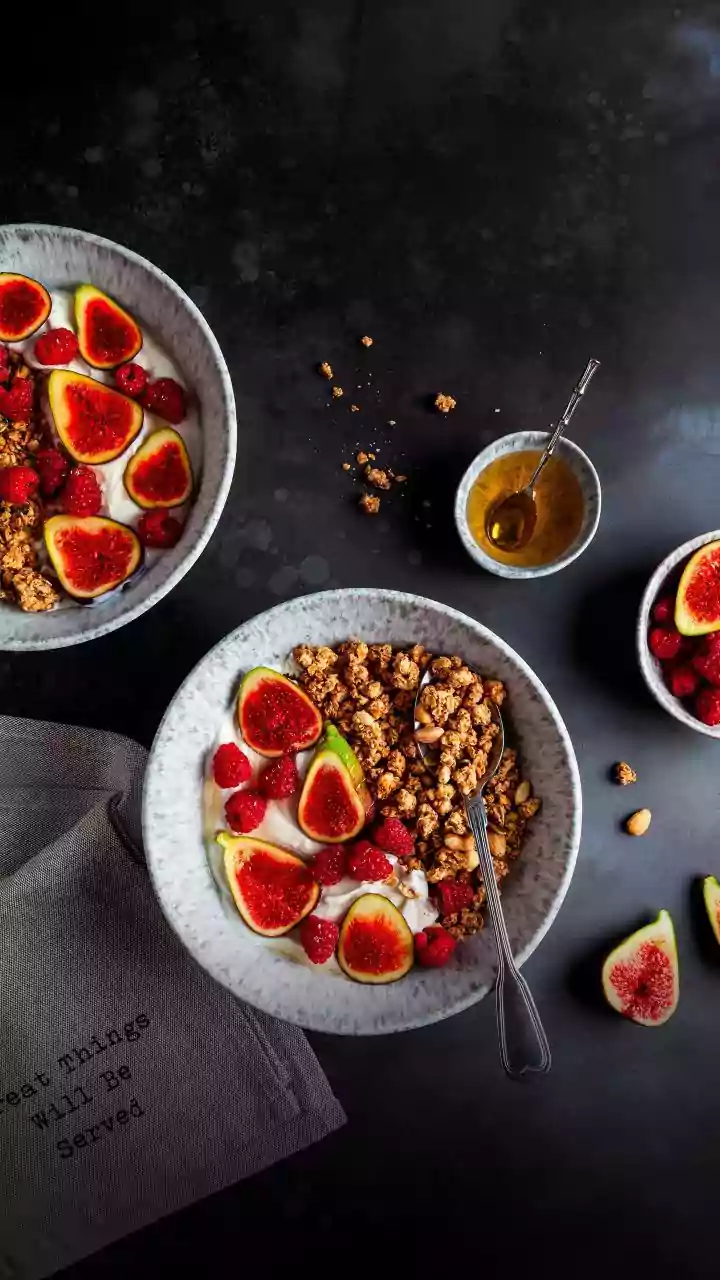
More than just a breakfast bowl, the parfait is a delightful study in contrasts. This guide elevates the simple oats and honey combination, showing you how to build a masterpiece of creamy, crunchy, fresh, and sweet layers in your own kitchen.
The Foundation: More Than Just Oats
The textural
journey of a perfect parfait begins with the oats. While any oats can be used, old-fashioned rolled oats are often the best choice for a distinct, chewy texture that holds up against the creaminess of the yogurt. Instant oats can quickly become mushy, while steel-cut oats may remain too hard unless pre-cooked. For an elevated crunch and nutty flavour, consider toasting your rolled oats in a dry skillet over medium heat for a few minutes until fragrant. Alternatively, you can use a pre-made granola, which brings its own cluster-filled crunch and complementary flavours like nuts, seeds, and dried fruit. The key is to create a base that provides a satisfying contrast to the softer layers above it. If you're preparing the parfait ahead of time, consider adding the oats or granola just before serving to preserve their optimal crunchy texture.
The Creamy Counterpart: Yogurt and Beyond
The heart of a parfait is its creamy element, which provides a cooling, tangy balance to the other ingredients. Greek yogurt is a popular and excellent choice due to its thick consistency, which helps create clean, distinct layers and prevents the parfait from becoming watery. For those in India, thick-set curd or 'chakka' (hung curd) serves as a fantastic local alternative with a similar rich texture. The slight sourness of plain yogurt or curd beautifully cuts through the sweetness of the honey and fruit. If you prefer a dairy-free option, coconut or almond-based yogurts work wonderfully, often adding their own subtle nutty or tropical notes to the mix. The main goal is to choose a base that is thick enough to support the other ingredients without blending into them.
A Drizzle of Golden Sweetness
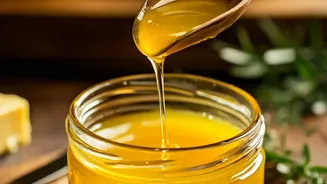
Honey is not just a sweetener in this parfait; it’s a crucial flavour component. The type of honey you choose can dramatically change the final taste. A light, floral honey will add a delicate sweetness that complements fresh fruit, while a darker, more robust honey can provide a richer, more caramel-like note. When layering, try drizzling honey directly onto the yogurt layers rather than just on top. This ensures that a hint of sweetness is present in every spoonful. For those looking for alternatives, pure maple syrup is an excellent 1:1 substitute with a distinct flavour profile. Date syrup or even a light jaggery syrup can also be used to bring a different, more regional dimension of sweetness to your creation.
Adding Freshness, Colour, and Bite
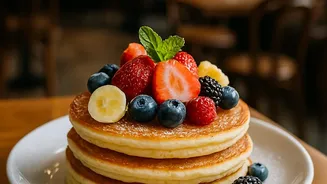
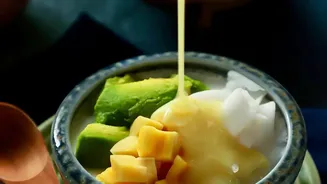
The fruit layer is where a parfait truly comes to life, adding vibrant colour, natural sweetness, and a burst of freshness. Using seasonal fruits will always yield the best flavour. Think of juicy mangoes and lychees in the summer, or pomegranate arils and sliced bananas in the cooler months. Berries like strawberries, blueberries, and raspberries are classic choices that provide a wonderful tartness. Don't forget to consider texture here as well. Add a handful of toasted nuts like almonds or pistachios, or sprinkle in some chia or flax seeds for an extra dose of crunch and nutrition. This combination of soft fruits and hard nuts creates a complex and enjoyable eating experience.
The Art of Assembly: Layering for Success
How you build your parfait is just as important as the ingredients you choose. The visual appeal of distinct layers is part of the charm, so using a clear glass or jar is highly recommended. A common method is to start with a layer of oats or granola at the bottom, which creates a stable base. Follow this with a layer of yogurt, then a layer of fruit. Repeat this sequence until you reach the top of the glass. Be gentle as you add each layer to avoid them mixing. For a neater look, you can even use a piping bag for the yogurt. To ensure maximum crunch, you can add your final layer of granola or nuts right before you plan to eat it. This simple technique of separating wet and dry ingredients until the last moment makes all the difference.