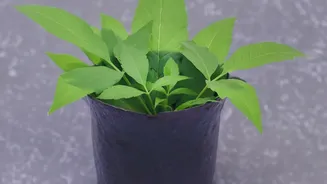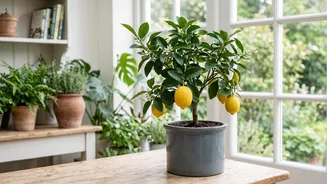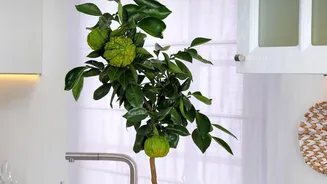



Start with a Modern Foundation
Your success begins with the pot and soil. Choose a large container, at least 15 to 20 inches in diameter, with plenty of drainage holes. Terracotta pots are an excellent choice as they are porous and allow roots to breathe, but they also dry out faster.
The latest thinking on soil moves away from using heavy garden soil, which compacts easily and can lead to root rot. Instead, use a light, well-draining potting mix. A highly recommended modern formula is the '5-1-1 mix': five parts composted bark, one part perlite, and one part good quality potting soil. This blend ensures excellent drainage and aeration, which are critical for citrus roots in a confined space. If that sounds too complex, a simple mix of quality potting soil, compost, and a bit of cocopeat or sand also works well.
The Right Light and Location
Lemon trees are sun-worshippers. They require at least six to eight hours of direct, bright sunlight every day to produce fruit. An open, south-facing balcony or terrace is the ideal spot in most Indian homes. While the plant needs plenty of light, be mindful of the intense afternoon sun in peak summer, which can scorch the leaves and heat the pot excessively. In very hot regions, providing some light shade during the harshest part of the day can be beneficial. If you notice the plant is healthy but not flowering, a lack of sufficient direct sunlight is the most common culprit.
Rethink Your Watering Schedule
The single biggest mistake in container gardening is improper watering, and overwatering is often more harmful than underwatering. Forget a fixed daily schedule. The updated approach is to water based on the soil's moisture level. The rule is simple: check the top two inches of the soil with your finger. If it feels dry, it's time to water. If it's still damp, wait another day. When you do water, do it thoroughly until water runs out of the drainage holes. This 'drench and dry' method encourages deep root growth. During hot summers, you may need to water daily, but during the monsoon or cooler winter months, you'll need to water far less frequently. Always ensure the pot is not sitting in a saucer full of water, as this will suffocate the roots.
A Fresh Look at Fertilising
Potted plants lose nutrients faster than those in the ground because of frequent watering. Lemon trees are heavy feeders, especially needing nitrogen for lush, green leaves. A balanced fertiliser with a nitrogen-phosphorus-potassium (N-P-K) ratio of roughly 2:1:1 is often recommended. Feed your plant every month during its main growing seasons (spring and summer). You can use a slow-release granular fertiliser or a water-soluble one. Many Indian gardeners also find success with organic options. A monthly dose of well-rotted compost or vermicompost provides a steady supply of nutrients. For a simple home remedy, some gardeners report success using heavily diluted sour buttermilk (1 part buttermilk to 20 parts water) once a month as a mild fertiliser.
Strategic Pruning for More Fruit
Pruning isn't just for looks; it's essential for the health and productivity of your potted lemon tree. The primary goal is to open up the plant's canopy to allow more sunlight and air to reach the inner branches. This helps prevent fungal diseases and encourages more flowers to develop. The best time to prune is after the main harvest. Start by removing any dead, damaged, or crossing branches. Also, look for 'suckers'—vigorous shoots that grow from the base of the trunk—and trim them off as they drain energy from the main plant. A light, shaping prune helps maintain a manageable size for a pot and directs the plant's resources towards fruit production rather than excessive leafy growth.
Pest and Disease Patrol
Container plants can be susceptible to pests like aphids, scale, mealybugs, and leaf miners. Regularly inspect the leaves, especially the undersides, for any signs of infestation. The most effective modern approach is to act quickly with gentle solutions. An application of organic insecticidal soap or neem oil spray is often enough to handle most common pests. Ensure you spray in the early morning or late evening to avoid burning the leaves. Good air circulation around the plant is one of your best defences against fungal issues, which can arise from wet foliage.