






The Golden Rule of High Altitude
Experienced mountaineers and medical experts agree: a gradual ascent is the single most important factor in preventing altitude sickness. The first major hurdle for most people coming from sea level is the zone between 8,000 and 9,000 feet (about 2,450
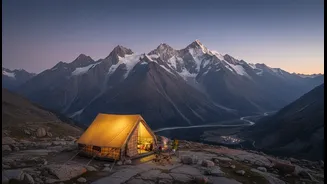
to 2,750 meters). Spending two or three nights at this elevation before sleeping any higher is a widely recommended guideline. Why this specific altitude? It’s generally considered the threshold where the air becomes significantly thinner, and your body needs to start making serious adjustments to the lower oxygen levels. Rushing this initial phase is a common mistake that can jeopardize the rest of your journey. This isn't just a suggestion; it’s a foundational safety measure that allows your body to begin the complex process of acclimatization.
What's Happening Inside Your Body
When you arrive at 8,000 feet, your body senses the drop in oxygen with every breath. It immediately kicks into gear to compensate. Your breathing rate and heart rate increase, even at rest, to try and pull in more oxygen and circulate it more quickly through your system. This is your body's short-term solution. Over the next one to three days, a more profound adaptation begins. Your system starts to make more red blood cells to improve oxygen transport, and other cellular changes take place to help your tissues function with less oxygen. This process is resource-intensive and requires time. Staying put for a couple of nights gives your body a fighting chance to make these critical adjustments before you place it under the stress of even higher altitudes.
Recognizing the Warning Signs
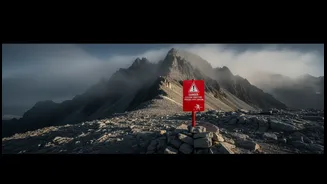
Ignoring the need to acclimatize can lead to Acute Mountain Sickness (AMS), the most common form of altitude illness. The symptoms often feel like a bad hangover: headache, nausea, fatigue, loss of appetite, and difficulty sleeping. These are signs that your body is struggling to cope. While mild AMS might resolve with rest at the same altitude, pushing higher can lead to severe and life-threatening conditions. High-Altitude Pulmonary Edema (HAPE) involves fluid filling the lungs, causing extreme shortness of breath, while High-Altitude Cerebral Edema (HACE) is a swelling of the brain that leads to confusion and loss of coordination. The only reliable treatment for worsening symptoms is to descend immediately.
Best Practices for Acclimatization
Pausing your ascent is key, but you can do more to help your body adapt. Staying well-hydrated is crucial; aim to drink at least three to four liters of water per day, as the dry air and increased breathing rate cause you to lose fluid faster. Eat a diet high in carbohydrates, which require less oxygen to metabolize than fats or proteins. Avoid alcohol, smoking, and sleeping pills, as they can suppress your respiratory drive, especially during sleep, which worsens the effects of low oxygen. A famous mountaineering maxim is "climb high, sleep low." This means it's okay to hike to a higher elevation during the day, as long as you return to a lower altitude to sleep. This strategy stimulates acclimatization while allowing your body to recover in a more oxygen-rich environment overnight.