





A Landscape Reimagined
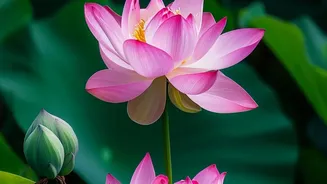
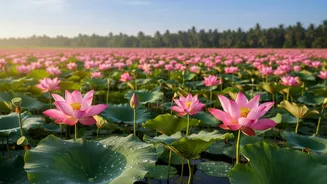
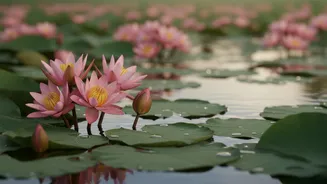
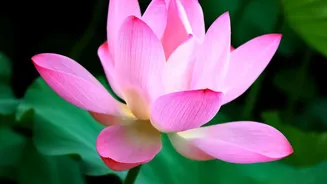
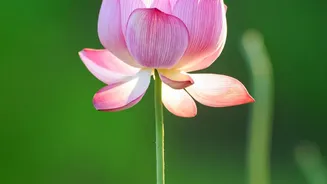
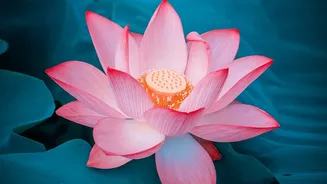
Imagine a sprawling field, not of green stalks of rice, but of large, floating leaves punctuated by brilliant bursts of white and red flowers. This is the sight that now greets visitors to Manohar Shetty's land in Uliyaragoli, in the Kapu taluk of Udupi
district. Shetty, the Managing Director of the Sai Radha Group, has converted between 15 and 20 acres of his family's ancestral land from traditional paddy cultivation into a breathtaking lotus farm. This picturesque transformation isn't just for show; it represents a calculated pivot from struggling agriculture to a flourishing new enterprise that has captivated the local community.
From Grains to Grandeur
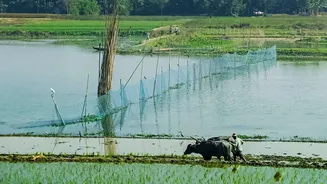
The decision to abandon paddy farming was not made lightly. Like many farmers in the region, Shetty faced a cascade of challenges that made rice cultivation increasingly unsustainable. Irregular rainfall patterns, a persistent shortage of agricultural labour, and rising input costs were squeezing profit margins to the point of repeated losses. Instead of leaving the land fallow, Shetty sought a creative solution. His research led him to successful lotus farming projects in other parts of Karnataka, such as Mandya and Mysuru. After dedicating nearly three months to studying the crop's life cycle and market, he began a small trial on his land. The initial success was so encouraging that he decided to go all-in, converting the entire paddy field into a commercial lotus pond.
The Art of the Lotus
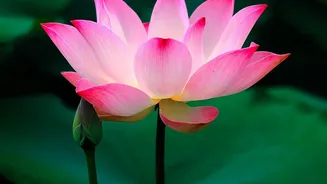
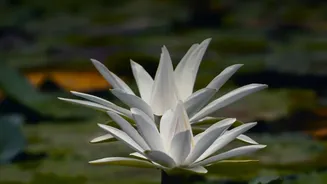
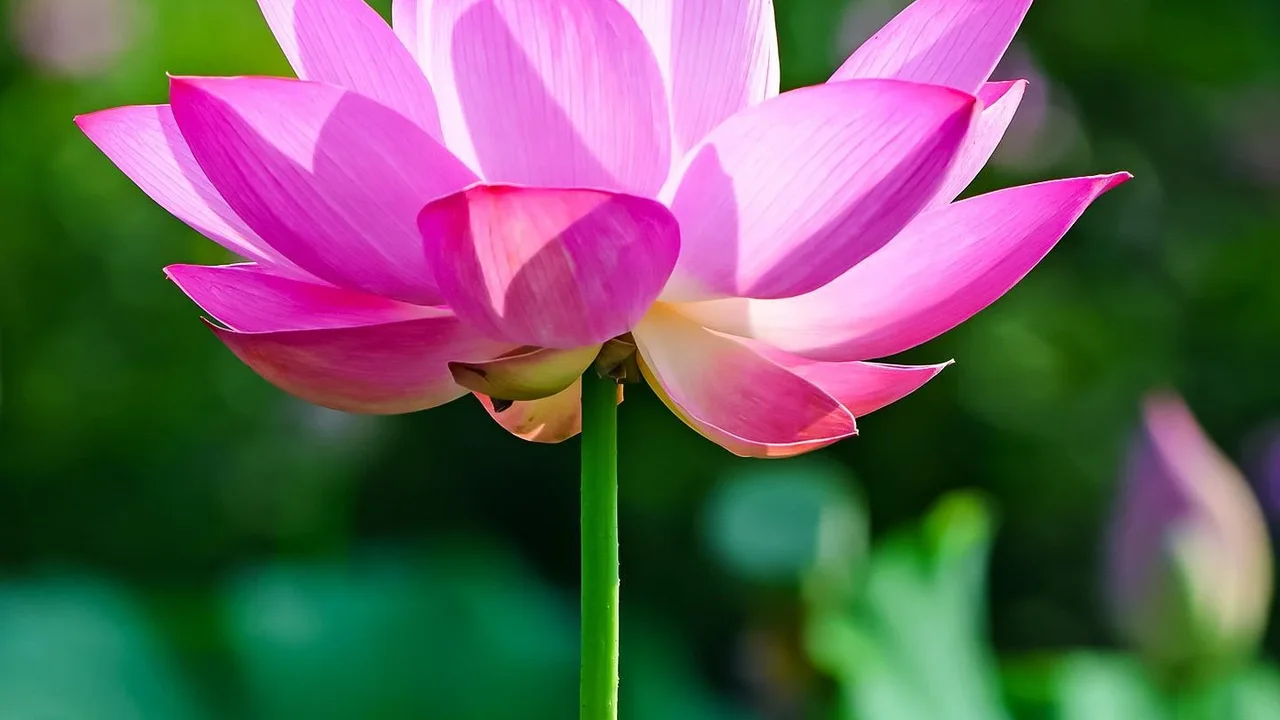
While the headline mentions three varieties, Shetty's farm primarily cultivates in-demand white and red lotuses. These flowers are highly sought after by temples across the region, including famous shrines in Kollur and Uchila, creating a steady and reliable market for his produce. The cultivation itself is a testament to working with nature. Lotus plants thrive in the water-logged conditions that can be challenging for other crops, making them an ideal choice for former paddy fields. Shetty’s farm operates organically, and the results are impressive. The farm can generate an income of up to Rs 1 lakh a month, a significant turnaround from the losses incurred during his paddy farming days. Every day, between 400 and 500 flowers are harvested and supplied to traders and temples.
A Blooming Business Model
Shetty's success story goes beyond just the daily flower harvest. The lotus is a plant of immense versatility, and he is keen to explore its full potential. Every part of the lotus has value: the stems can be used to create textile fibres, the roots can be pickled, the seeds are nutritious, and the fragrant flowers are used in perfumes and decorative items. This potential for value-added products offers multiple streams of income from a single crop. His innovative approach serves as a powerful example of how diversification can fortify a farmer's livelihood against the unpredictability of traditional monoculture. It’s a holistic model that combines ecological wisdom with smart business.
Inspiring a New Wave
Manohar Shetty is not just cultivating flowers; he is cultivating hope. He firmly believes that the coastal climate of Karnataka is perfectly suited for widespread lotus farming and sees the potential for it to transform the fortunes of other farmers in the area. He estimates that around 200 acres of farmland in the vicinity are suitable for making the switch. He is now actively helping other interested farmers by offering technical guidance and connecting them with markets, sharing the knowledge he painstakingly acquired. His farm has become a beacon, demonstrating that with vision and a willingness to adapt, it's possible to turn agricultural challenges into a beautiful and profitable new reality.