



Tomatoes: Keep Them on the Counter
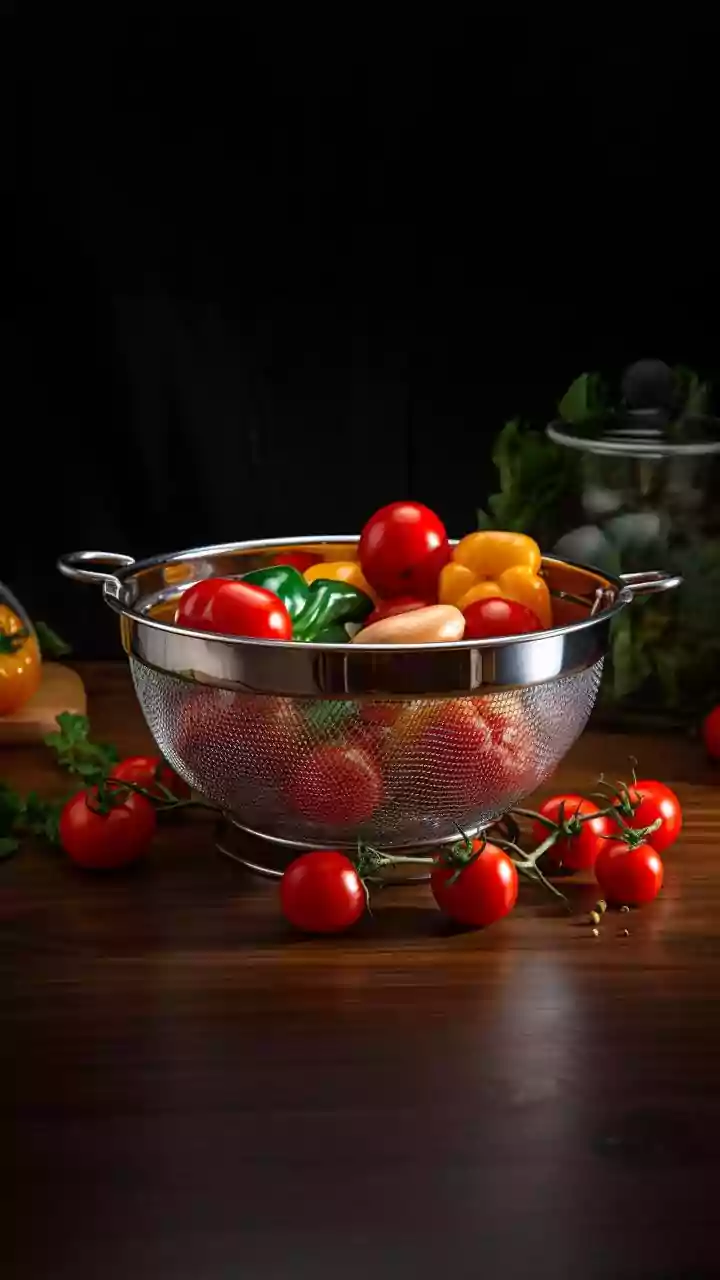
The single biggest mistake most of us make is refrigerating tomatoes. That blast of cold air is the enemy of a perfect tomato. The science is clear: chilly temperatures below about 12°C halt the natural ripening process. More importantly, the cold actively
breaks down the delicate membranes within the fruit, leading to a mealy, mushy texture. It also stops the enzymes that create those wonderful, complex sweet and tangy flavour compounds from doing their job. The result is a bland, watery shadow of what a tomato should be. For maximum flavour, store your tomatoes at room temperature on the counter, out of direct sunlight. If they are perfectly ripe and you won't eat them for a day or two, the fridge can be a last resort to stop them from becoming overripe, but be warned that flavour will be sacrificed.
Potatoes: Dark, Cool, and Dry
Your potatoes despise the refrigerator. Keeping them in the cold causes a process where their starches convert into sugars. This might sound harmless, but it gives the potatoes an unpleasantly sweet taste when cooked and leads to a gritty texture. It can also cause them to darken undesirably when fried or roasted. The ideal home for a potato is a cool, dark, and dry place with good air circulation. A pantry, a cellar, or even a paper bag in a cool cupboard is perfect. One crucial tip: store them away from onions. Onions release ethylene gas, which can cause your potatoes to sprout much faster.
Bread: Away From the Cold
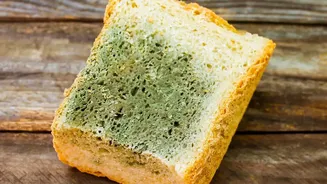
It feels intuitive to put bread in the fridge to keep it fresh, but this is a major food storage myth. Refrigeration actually accelerates the staling process. The cold, dry air causes the starch molecules in the bread to recrystallize much faster than they would at room temperature, leading to a hard, stale loaf in record time. For short-term storage (a few days), the best place for your bread is in a bread box or a paper bag on the counter. For long-term storage, your freezer is your best friend. Slicing the loaf before freezing allows you to pull out and toast individual slices as needed, preserving freshness for weeks.
Onions and Garlic: Let Them Breathe
Onions and garlic are foundational to so many Indian dishes, but they are often stored improperly. Like potatoes, these alliums need a cool, dry, dark place with good air circulation. A mesh bag or a basket works well. The humidity of a refrigerator is their enemy, causing them to become soft, mushy, and prone to sprouting or mold. As mentioned, it's vital to keep onions and potatoes separate to prevent premature spoilage. Once an onion or garlic bulb is cut, however, the rules change. You can store the unused, tightly wrapped portion in the fridge for a few days to keep it fresh.
Honey: Nature's Perfect Preservative
Honey is one of the few foods that truly never spoils, a fact proven by archaeologists who have found edible honey in ancient tombs. It is naturally antibacterial and has a very low water content. The worst thing you can do to honey is put it in the refrigerator. The cold temperature will cause it to crystallize rapidly, turning your smooth, liquid gold into a thick, grainy sludge. While crystallized honey is still perfectly safe to eat, its texture is compromised. Always store honey in a tightly sealed container at room temperature in your pantry.
Coffee: Protect That Precious Aroma
If you love the rich aroma of fresh coffee, keep your beans and grounds out of the fridge. Coffee is porous and acts like a sponge for moisture and odours, meaning it will absorb the smells of everything else in your refrigerator. The constant cycle of taking it out and putting it back can also create condensation, which will ruin the oils that give coffee its flavour and aroma. The best practice is to store your coffee in an airtight, opaque container in a cool, dark place like a pantry or cupboard.