



More Than a Condiment
To call chutney a mere side dish is to miss the point entirely. The word itself comes from the Hindi ‘chatni’, meaning ‘to lick’, and its origins are ancient. Texts dating back thousands of years describe medicinal pastes of herbs and fruits used to aid
digestion and balance the body's humours according to Ayurvedic principles. They were the original functional foods, designed for wellness long before taste became the primary driver. Over centuries, these functional pastes evolved. The arrival of the Mughals introduced new ingredients like nuts and yogurt, while trade routes brought new spices. Today, that humble paste is a vibrant condiment that balances flavours, adds moisture, and provides a cooling contrast to a spicy dish or a tangy kick to a savoury one. It’s the element that ties the whole meal together.
The South Indian Trinity
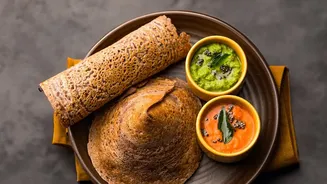
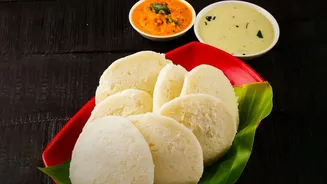
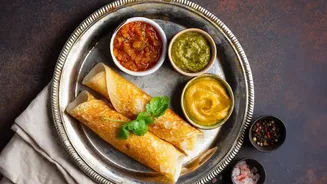
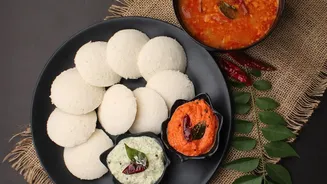
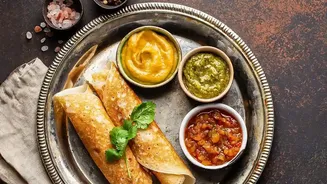
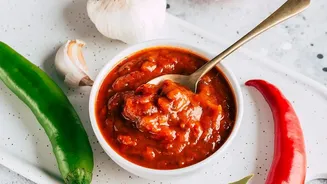
In South India, a breakfast of idli, dosa, or vada is incomplete without a trio of accompaniments. The most iconic is the white coconut chutney, a creamy, cooling blend of freshly grated coconut, roasted chana dal, green chillies, and ginger. Its origins are deeply tied to the region's abundant coconut groves. Alongside it is often a fiery red chutney, which gets its colour and heat from dried red chillies, and its tang from tomatoes or tamarind. The third, a thin lentil stew called sambar, functions almost like a chutney itself, providing moisture and a complex, savoury depth. Together, they create a perfect balance of textures and tastes—creamy, spicy, and tangy—to complement the fermented notes of the main dish.
Northern India’s Dynamic Duo
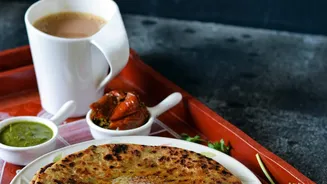
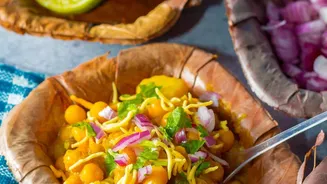
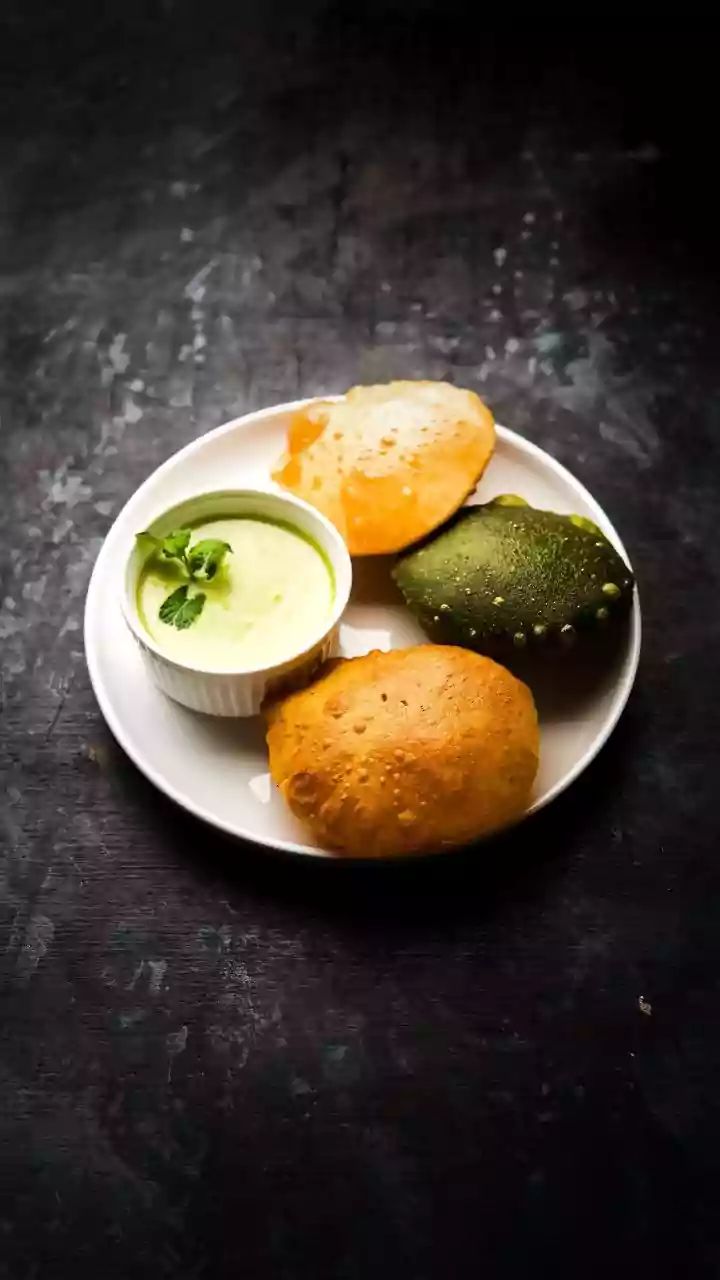
Travel north, and the chutney landscape changes. Here, the undisputed king is the green chutney, a zesty blend of fresh coriander and mint leaves, green chillies, ginger, and lemon juice. This is the flavour of North Indian street food, drizzled over chaat or served with samosas and kachoris. Its fresh, herbaceous notes cut through the richness of fried snacks. Its partner in crime is the sweet and sour tamarind chutney, often called imli or meethi chutney. Made by simmering tamarind pulp with jaggery and spices like dried ginger and cumin, it provides a sweet, tangy counterpoint that is essential to the chaat experience. This sweet, sour, and spicy combination is a hallmark of the region's flavour profile.
A Map of Regional Heroes
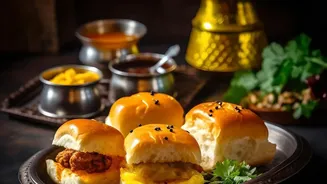
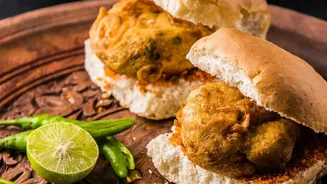
Beyond the most famous varieties, India’s states offer a dazzling array of hyper-local chutneys that tell a story of the local landscape. In Andhra Pradesh and Telangana, the sour gongura (sorrel leaves) are cooked down into an intense, pungent pachadi. Maharashtra offers a fiery garlic chutney (lasun chutney) and a nutty peanut chutney, often served with vada pav or sabudana khichdi. From the Himalayan state of Uttarakhand comes the unique bhang ki chutney, made from roasted hemp seeds, which has a smoky, nutty flavour. Each one is a reflection of the region's produce and palate, showcasing incredible culinary diversity that is often overlooked.
Tradition in 2026
In 2026, while the world of food is increasingly globalised, the tradition of street-side chutneys remains intensely local and personal. Recipes are not written down but passed through generations, with every vendor and family having their own subtle variation. While modern mixer-grinders have largely replaced the traditional stone pestle, the flavours remain authentic. The demand for convenience has even led to innovative ready-to-eat chutney powders that just require adding water. Yet, nothing quite replaces the experience of watching a vendor freshly prepare a batch for the morning rush. It’s a testament to the enduring power of these simple, flavourful condiments that have defined Indian breakfasts for centuries.