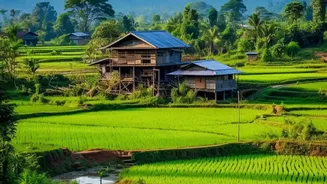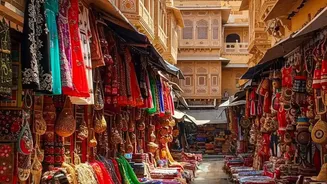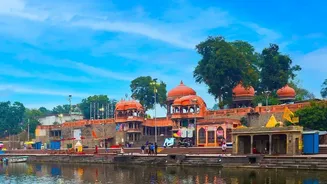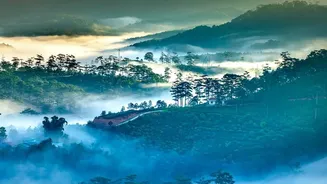





The Soul of a Village Stay
So, what exactly is a village stay? It's a form of tourism where travellers live with a local family in their home, sharing meals, stories, and their way of life. Unlike a hotel, which offers a standardized service, a village stay or homestay is deeply
personal and immersive. It’s about connection. The Ministry of Tourism defines it as any travel that showcases rural life, art, and heritage, directly benefiting the local community both socially and economically. This model, often called community-based tourism, puts local people in charge, ensuring that the income and benefits stay within the village. It transforms tourism from a passive viewing experience into an active, participatory one, where visitors might learn to cook a local dish, try their hand at a traditional craft, or simply sit and listen to stories passed down through generations.
A Boost for Rural Economies
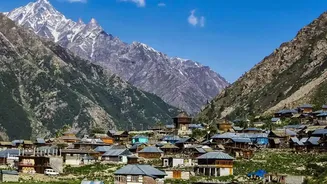
For thousands of villages across India, tourism is becoming a powerful engine for development. With a majority of India's population residing in rural areas, these stays offer a vital source of supplementary income, especially for farmers and artisans. This economic boost does more than just put money in pockets; it empowers communities. It creates jobs for youth and, in particular, for women, who often run the homestays and sell local handicrafts. This helps reduce the migration of people from villages to crowded cities in search of work. The revenue generated often supports wider community needs, like improving schools and local infrastructure. Government initiatives like the Swadesh Darshan scheme are further bolstering this movement, providing financial support and training to develop homestays, especially in tribal and remote areas.
The Allure of Authenticity
For the modern traveller, the appeal is undeniable. There's a growing desire for travel that is meaningful, responsible, and authentic. Village stays cater perfectly to this demand. They offer a chance to escape the urban grind and reconnect with nature in serene surroundings. More importantly, they facilitate a genuine cultural exchange. Visitors get a firsthand look at the realities of rural life, fostering a deeper understanding and appreciation. Instead of just seeing the sights, they are living the culture. This shift aligns with a global trend toward sustainable travel, where visitors are more conscious of their impact and seek to contribute positively to the destinations they visit. The experience is enriching, creating memories that last far longer than a typical vacation.
Challenges on the Path Forward
Despite the immense potential, the road to successful village tourism is not without its hurdles. Many remote areas lack basic infrastructure, including good roads and reliable internet connectivity, which can affect the guest experience. There is also a need for proper training in hospitality, hygiene, and marketing to ensure consistent quality and help hosts manage guest expectations. Perhaps the biggest challenge is striking a balance between economic growth and cultural preservation. There is a risk that if not managed carefully, commercialization could erode the very authenticity that makes these villages unique. Ensuring that the community remains in control and that growth is sustainable is crucial to avoid turning homes into hotels and culture into a commodity.