






The Loaf That Launched a Thousand Posts
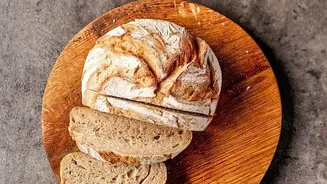
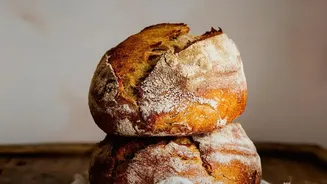
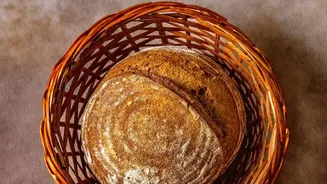
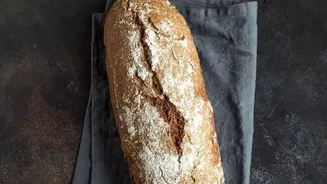
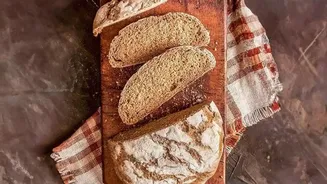
At Rye, the first U.S. location of an Austrian bakery family, a 3.3-pound loaf of 100% rye sourdough recently became New York City’s latest culinary celebrity. The bakery, an outpost of Martin Auer, sells its signature bread for a price that has caused
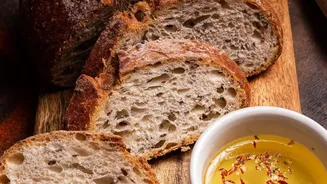
a stir on social media and beyond. Made with just four ingredients—flour, water, salt, and time—the loaf has become a focal point for a broader debate about food, value, and authenticity. While many customers line up, calling it worth the price, others have expressed shock, labeling it an out-of-touch luxury. The bakery sells the bread by the whole loaf ($60), half ($30), or quarter ($15), making it more accessible than the initial sticker price suggests. Slices with toppings are also available, positioning the bread as an experience rather than just a grocery item.
Deconstructing the Cost of Craft
So, what goes into a $60 loaf of bread? According to the owners, the price reflects more than just its ingredients. Key factors include importing high-quality organic rye flour from Austria, the high cost of operating in a prime SoHo location, and, most importantly, an intensive, time-honored process. The sourdough starter itself is decades old. The dough ferments for 24 hours to develop its complex flavor, and after baking, the finished loaf rests for another eight to twelve hours before it can even be sold. This slow, multi-day process is a stark contrast to mass-produced bread, which often uses commercial yeast and additives to accelerate production. For artisan bakers, time equals flavor, and long fermentation breaks down gluten and carbohydrates, making the bread more digestible. This commitment to small-batch production, skilled labor, and premium ingredients is at the heart of the price tag.
The New 'Little Treat' Economy
The willingness of consumers to pay a premium for such items is part of a larger trend. The sourdough market is projected to grow significantly, reaching an estimated $4.69 billion by 2031. This growth is fueled by a consumer desire for authenticity, transparency, and products with a compelling story. In an age of mass production, handmade and traditional goods are increasingly valued because they symbolize cultural preservation and superior craftsmanship. Some analysts connect this to the "little treat economy," particularly among younger generations like Gen Z. The idea is that with major purchases like homes feeling out of reach, smaller, high-quality luxuries—like a perfect coffee, a craft beer, or a slice of exceptional sourdough—become justifiable and desirable indulgences. People are paying not just for a product, but for an experience and a connection to the story behind it.
Bread as a Status Symbol?
While a typical artisan sourdough loaf in New York might cost between $10 and $16, Rye's price point pushes the boundary, prompting the question of whether bread has become a luxury item. The conversation is similar to those surrounding other craft movements, from specialty coffee to bean-to-bar chocolate, where process and provenance justify a higher cost. The open kitchen at Rye allows customers to witness the craft firsthand, turning the purchase into a form of entertainment and education. Ultimately, the $60 loaf is more than sustenance; it’s a conversation piece. It represents a cultural shift where consumers are increasingly willing to pay for what they perceive as real, traditionally made products, rejecting artificial perfection in favor of something with a human touch. It’s a bet that in a fast-paced world, the story of slow food is one people are eager to buy into.