




A Tradition Steeped in History
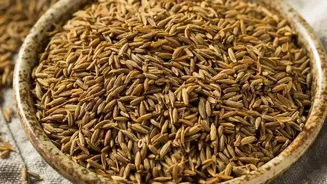
Caraway, or Carum carvi, has a history that stretches back thousands of years, with mentions in ancient Egyptian texts. Traditionally, its seeds have been used across Europe and Asia not just for flavouring food, but as a household remedy for a host of digestive
complaints. These include bloating, gas, indigestion, and mild intestinal cramps. In many cultures, chewing the seeds or drinking an infusion made from them was a common practice to ease discomfort after a heavy meal. This long history of use is what keeps caraway in the conversation for natural wellness today, where it is still widely recognised as a carminative—an agent that can help relieve flatulence.
What Science Says About Caraway
Modern science has started to investigate these traditional claims, with some interesting findings. The primary active compounds in caraway are essential oils, particularly carvone and limonene. These components are responsible for the spice's distinct aroma and are believed to be the source of its medicinal properties. Laboratory studies and some small-scale human trials have shown that caraway oil can have antispasmodic effects, meaning it may help relax the smooth muscles in the digestive tract. This action could theoretically ease the cramping associated with indigestion and conditions like Irritable Bowel Syndrome (IBS). Some studies also point to caraway's antimicrobial and anti-inflammatory properties, which could contribute to a healthier gut environment.
The Gap Between Potential and Proof
Here is where the need for caution arises. Most of the promising research on caraway has used concentrated caraway oil or extracts, often in combination with other herbs like peppermint oil. Studies have shown that a specific combination of peppermint and caraway oil in an enteric-coated capsule can be effective for functional dyspepsia (indigestion). However, this is very different from a simple tea made by steeping whole seeds in hot water. The amount of active compounds that you get from a homemade infusion can be highly variable and is much lower than the concentrated doses used in clinical trials. As a result, there is little to no strong scientific evidence to support caraway tea as a 'reliable' treatment for specific medical conditions. While it may offer mild relief for some, it is not a proven cure.
Understanding Symptom Relief
So why do many people swear by it? The relief experienced from a caraway infusion can be attributed to several factors. The warmth of the tea itself can be soothing to the digestive system. Furthermore, the placebo effect plays a powerful role in digestive health; if you believe a remedy will work, it often can lead to a perceived improvement in symptoms. The mild antispasmodic effects of the low dose of essential oils in the tea may genuinely help some individuals with minor gas or bloating. However, for chronic or severe symptoms, this gentle effect is unlikely to be sufficient. The term 'reliable' implies a consistent and predictable outcome, which is something that has not been established for traditional caraway infusions in a scientific context.
Safety and Considerations
For most healthy individuals, caraway consumed as a spice in food or as an occasional tea is considered very safe. However, caution is warranted with medicinal use, especially with concentrated oils or extracts. Due to a lack of safety research, it's often recommended that pregnant or breastfeeding women and young children avoid caraway supplements. Additionally, individuals with liver or gallbladder disease should consult a doctor, as some evidence suggests caraway might affect gallbladder function. There is also a concern that caraway in large amounts could lower blood sugar, so people with diabetes should be mindful and speak with their healthcare provider before using it therapeutically.