





The Ultimate Low-Impact Surface
The primary appeal of taking your workout to the beach is the sand itself. Unlike pavement or even grass, sand is a forgiving surface that absorbs impact. This significantly reduces stress on your joints, particularly the ankles, knees, and hips, making
it an excellent choice for people of all ages and fitness levels. For those with arthritis, recovering from injury, or who simply prefer low-impact exercise, the soft ground provides a natural cushion. While high-impact workouts can be beneficial for bone density, they also carry a higher risk of injury. Tai Chi, already a low-impact practice, becomes even gentler when performed on sand, allowing for a full-body workout without the jarring force of harder surfaces.
A Surprising Challenge for Balance
While gentle on the joints, practicing on sand is by no means easy. The soft, uneven surface creates instability, forcing your body to work harder to maintain balance. Every slow, deliberate movement in Tai Chi engages the small stabilizing muscles in your feet, ankles, and core that might not be challenged on a flat floor. This constant micro-adjustment is a powerful form of training for proprioception—your body's ability to sense its position in space. Over time, this enhanced body awareness and muscle engagement can lead to improved balance, coordination, and a stronger core, which helps reduce the risk of falls, especially as we age.
More Than a Physical Workout
The benefits of beach Tai Chi extend far beyond the physical. Combining the meditative movements with the natural environment creates a powerful tool for mental wellness. Studies show that exposure to 'blue spaces' like the coast can lower stress and anxiety. The rhythmic sound of waves provides a natural cadence for breathing, enhancing focus and relaxation. The fresh ocean air encourages deeper breathing, which can improve lung capacity and oxygen delivery throughout the body. This practice of eco-mindfulness—connecting with nature through mindful movement—helps calm the nervous system, lower stress hormones like cortisol, and improve mood and mental clarity.
How to Get Started on the Sand
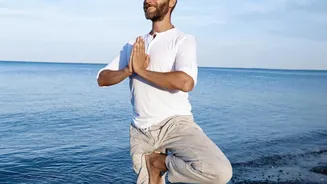
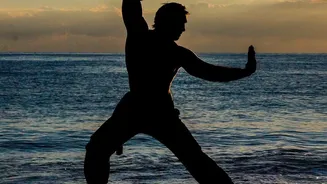
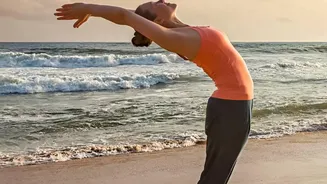
Getting started with Tai Chi on the beach is simple, as it requires no special equipment. Begin by finding a relatively flat, firm patch of sand, perhaps closer to the water's edge, to warm up and get accustomed to the surface. You can practice barefoot to better connect with the ground, but be mindful of any sharp objects. Focus on simple, foundational Tai Chi movements. Begin with a warm-up of gentle shoulder circles and rocking back and forth to ease into motion. Then, practice basic postures, concentrating on your breath and the feeling of the sand beneath your feet. Even a short 15-20 minute session, particularly during the cooler, quieter hours of sunrise or sunset, can be incredibly restorative.