





The Allure of At-Home Remedies
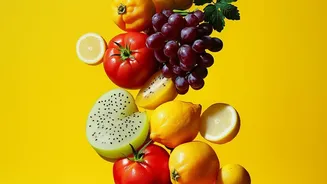
In the quest for clear, radiant skin, it’s tempting to turn to the kitchen pantry. DIY skincare, powered by social media trends and a desire for natural alternatives, presents household ingredients as miracle cures. Lemon for brightening, tomato for de-tanning,
and curd for moisturising are common recommendations. The logic seems simple: if it's safe to eat, it must be safe for your skin. However, dermatologists often caution against this assumption. The skin is a complex organ with its own delicate pH balance and protective barrier. Ingredients that are beneficial when digested can be harsh and irritating when applied topically, especially without the controlled formulation, preservatives, and pH balancing found in professionally developed skincare products.
Lemon: A Problem of Acidity and Sun
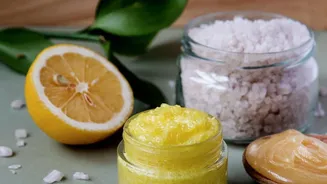
Lemon juice is often hailed for its vitamin C content and its supposed ability to lighten dark spots. The reality is much riskier. Lemon juice is highly acidic, with a pH of around 2-3, while the skin's natural pH is a mildly acidic 4.5-5.5. Applying such a strong acid directly to your face can strip the skin's protective barrier, leading to excessive dryness, redness, irritation, and peeling. The biggest danger, however, comes from sun exposure. Applying lemon or other citrus juices to the skin can cause a phototoxic reaction called phytophotodermatitis. When the treated skin is exposed to UV rays, it can result in an inflammatory reaction, leading to painful blisters, redness, and long-lasting dark patches of hyperpigmentation.
Tomato: An Acidic Irritant for Some
Like lemons, tomatoes are acidic and can cause irritation for those with sensitive skin. People who are sensitive to natural acids may experience redness, itching, or rashes upon topical application. Tomatoes belong to the nightshade family of plants, which contain substances called alkaloids that can trigger inflammation in some individuals. While tomatoes are rich in antioxidants like lycopene, applying them raw might not be the best way to reap their benefits, especially for those with a compromised skin barrier, eczema, or active acne. The acidic nature can exacerbate dryness and itching in already sensitive skin. For these individuals, it's safer to consume tomatoes as part of a healthy diet or use professionally formulated products that harness their benefits without the risk of raw application.
Curd: Not Always a Soothing Saviour
Curd (or dahi) is widely used in face masks for its moisturising and exfoliating properties, thanks to its lactic acid content. Lactic acid is an alpha-hydroxy acid (AHA) that gently removes dead skin cells. However, this exfoliation can be too much for those with very sensitive or reactive skin, potentially causing irritation. For individuals with oily or acne-prone skin, the rich, heavy texture of full-fat curd could clog pores and worsen breakouts. Ayurvedic principles also suggest that curd can increase 'Pitta' (heat), which may lead to skin inflammation and rashes in susceptible people. Furthermore, homemade, unpasteurised curd can be a breeding ground for bacteria, which you don't want to introduce to your face, as it can lead to infections and more acne.
Who Is Most at Risk?
While some people might use these ingredients without any noticeable issues, those with certain skin types should be particularly cautious. Individuals with sensitive skin, dry skin, eczema, rosacea, or a compromised skin barrier are more likely to experience adverse reactions like redness, stinging, and inflammation. The acidic nature of lemon and tomato can be especially damaging to a skin barrier that is already struggling to retain moisture and protect itself from external aggressors. Similarly, those with acne-prone skin may find that curd can clog pores and that the acids in lemon and tomato can cause further irritation rather than healing breakouts. A simple patch test on a small, discreet area of skin is always recommended before applying any new ingredient to your entire face.
Safer, Formulated Alternatives
Instead of reaching for raw ingredients, it is far safer to use professionally formulated skincare products that contain their beneficial compounds in a stable, effective, and skin-friendly form. For the brightening effects of lemon, look for a well-formulated Vitamin C serum, which delivers the antioxidant benefits without the low pH and risk of photosensitivity. For the gentle exfoliation from curd, products with lactic acid are widely available and are balanced to work effectively without disrupting the skin's barrier. Ingredients like azelaic acid, niacinamide, and benzoyl peroxide are also dermatologist-recommended for concerns like acne, redness, and dark spots. These products are created in sterile environments and contain preservatives to prevent bacterial growth, ensuring they are safe and effective for their entire shelf life.