




What is BAS-01?
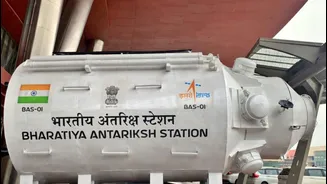
BAS-01 is the inaugural module and the cornerstone of the Bharatiya Antariksh Station (BAS), India's ambitious project to build an indigenous space station. Spearheaded by the Indian Space Research Organisation (ISRO), this initiative marks the country's
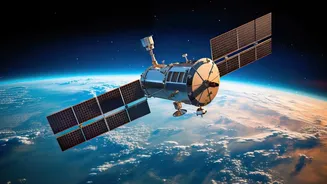
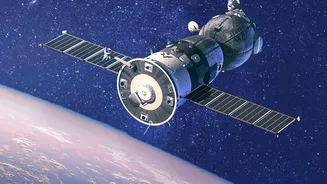
next great leap in space exploration. Think of BAS-01 as the first and most crucial piece of a massive orbital puzzle. Scheduled for launch by 2028, this module will serve as a testbed for the essential technologies needed to sustain human life in space for extended periods. Weighing approximately 10 tonnes, it is designed to orbit Earth at an altitude of around 400 kilometres. Once operational, it will allow Indian astronauts to conduct scientific research in microgravity, setting the stage for the complete, multi-module station envisioned to be fully operational by 2035.
The Subsystems Taking Shape
The recent headline-making progress refers to the ongoing engineering and integration work on the various subsystems of BAS-01. This is the complex, behind-the-scenes effort where individual components are developed and made ready to work together as a cohesive unit. These are not minor details; they are the very heart of the station. Key subsystems include a domestically developed Environmental Control and Life Support System (ECLSS), which will manage the air, water, and temperature for the crew. Another critical component is the indigenous Bharat Docking System (BDS), which will allow future spacecraft and modules to connect to the station. Additionally, engineers are finalising automated hatch systems, power generation units, and advanced shielding to protect the module and its inhabitants from the harsh environment of space, including radiation and micrometeoroid impacts. This phase is about turning blueprints into functional, reliable hardware.
A Giant Leap for Indian Space Exploration
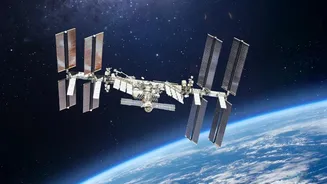
The development of BAS-01 is more than just a technological challenge; it is a profound statement of India's growing capabilities and ambitions as a global space power. By developing these critical technologies in-house, India is strengthening its self-reliance, or 'Atmanirbharta', in the final frontier. An operational space station will place India in an elite club of nations with a continuous human presence in space, currently only occupied by the multinational International Space Station and China's Tiangong station. It will provide an unparalleled platform for Indian scientists to conduct cutting-edge research in fields like materials science, biology, and medicine, which can have significant benefits back on Earth. Furthermore, the project inspires a new generation to pursue careers in science and technology and solidifies India's role as a leader in space exploration.
The Road to 2028 and Beyond
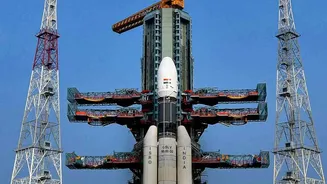
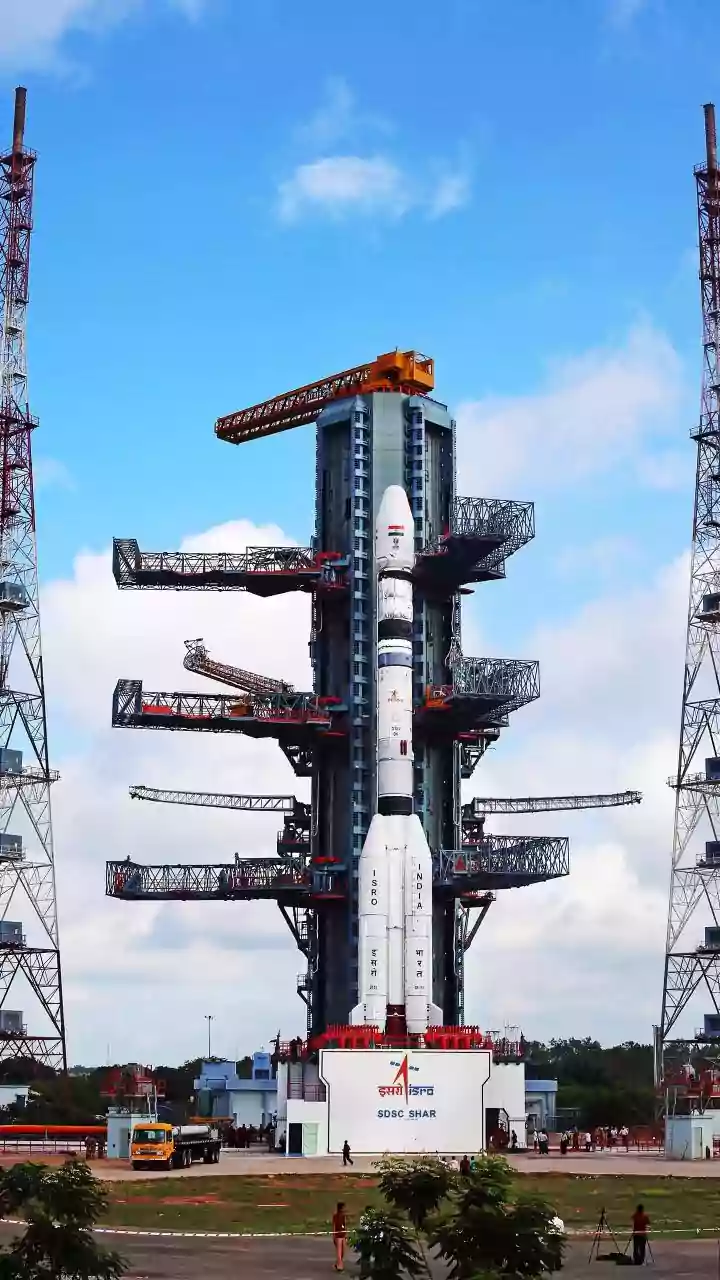
While subsystem development is a major milestone, the path to launching BAS-01 is a meticulous one. Following the finalisation of the module's configuration, ISRO and its commercial partners are now deep into the manufacturing and testing phases. Before the 2028 launch, there will be a series of technology demonstration missions and rigorous ground tests to validate every system. The module itself is expected to be launched aboard India's powerful LVM3 rocket. Once BAS-01 is successfully placed in orbit, it will pave the way for the launch of four additional modules planned through 2035. These subsequent modules will expand the station's size and capabilities, adding more laboratory space, living quarters, and docking ports, ultimately creating a comprehensive orbital outpost for research and exploration.