





The Arashiyama Paradox
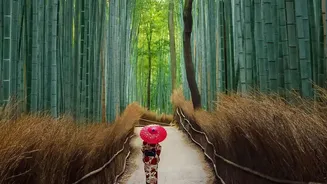
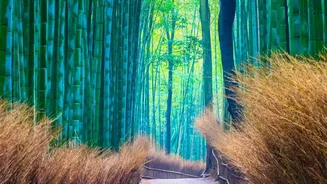
There’s no denying the beauty of the Arashiyama Bamboo Grove. It’s one of Kyoto's most photographed sights for a reason. The experience of walking among thousands of impossibly tall, swaying bamboo stalks can be magical. However, that magic is often broken
by the sheer volume of visitors. Unless you arrive at the crack of dawn, the path can feel less like a serene escape and more like a slow shuffle through a tourist-packed corridor. This has led many travellers to seek alternatives where they can find the beauty of bamboo without the crowds.
An Introduction to Ohara
About an hour north of Kyoto Station lies Ohara, a small, rural town nestled in the mountains. The scenic bus ride itself feels like a transition, leaving the urban bustle behind for winding country roads. Ohara is a world away from the fast pace of the city, offering a glimpse into a quieter, more traditional side of Japan. It’s best known for its collection of beautiful temples, particularly Sanzen-in, and its popularity during the autumn foliage season, which arrives about a week earlier here than in central Kyoto. The town’s main street is a charming, upward-sloping path that follows a river, lined with small shops selling local crafts and famous pickled vegetables (tsukemono).
Temples, Gardens, and Bamboo
Ohara’s main draw is the magnificent Sanzen-in Temple, founded in the 8th century. Its sprawling grounds feature stunning moss gardens, historic halls, and countless walking paths that invite peaceful exploration. One of the most famous views is from the Shinden (main hall), looking out over the Ojo Gokuraku-in Hall, which is set amidst a lush, green moss garden dotted with charming stone statues. While Sanzen-in is the main attraction, the nearby Hosen-in Temple offers a different kind of tranquility. It is famous for its “framed garden,” where the pillars of the main hall create a living picture of the scenery outside, which includes a dramatic 700-year-old pine tree set against a backdrop of a lush bamboo grove. Visitors can sit on the tatami mats and enjoy a cup of matcha tea, included with admission, while contemplating the serene view.
Finding Your Bamboo Moment
Unlike Arashiyama’s single, concentrated path, Ohara’s bamboo is more integrated into the landscape. You won’t find one massive forest, but rather beautiful groves and paths that are part of the scenery surrounding the temples. The approach to Sanzen-in and the walking trails that connect it to smaller temples like Jikko-in and the Otonashi Waterfall are flanked by verdant nature, including bamboo. The garden at Hosen-in, in particular, uses its bamboo grove as a stunning green backdrop, creating a deep sense of peace. For those willing to walk, Jikko-in Temple and Jakko-in Temple, on the other side of the valley, also offer quiet corners and natural beauty away from the main cluster of visitors. The experience here is less about one overwhelming bamboo tunnel and more about discovering these serene moments as part of a larger, uncrowded exploration of a beautiful mountain village.
How to Plan Your Ohara Escape
Getting to Ohara is straightforward. From Kyoto Station, the most direct route is Kyoto Bus #17, which takes about an hour. A slightly faster option involves taking the Karasuma Subway Line to its terminus at Kokusaikaikan Station and then transferring to Kyoto Bus #19. Once you arrive at the Ohara bus stop, the main temples like Sanzen-in are about a 15-minute uphill walk. It’s best to give yourself at least half a day to explore the area without rushing. If you're short on time, prioritize visiting Sanzen-in and Hosen-in temples. Given the walking involved, comfortable shoes are a must. Ohara offers a chance to see rural Japan and enjoy a more contemplative temple experience, making it a perfect day trip for those looking to escape the city's busiest tourist hubs.