



The COP31 climate talks in Antalya, Turkey, have concluded not with a landmark agreement but with a stalemate. UN Secretary-General António Guterres expressed deep disappointment after the summit failed to produce a consensus on tackling fossil fuels.
High Hopes Meet a Hard Reality
Delegates from nearly 200 countries gathered in Antalya with the goal of turning past promises into concrete action. The summit, co-hosted by Turkey and Australia, was intended to build on the COP28 agreement to 'transition away from fossil fuels' and establish clearer pathways for climate finance and adaptation. However, the two weeks of intense negotiations, which ran two days into overtime to become the longest COP in history, ended without an overarching political deal, known as the 'Antalya Pact'. The failure to reach a consensus on this core document marked a significant setback, with the final draft being rejected by a powerful bloc of nations.
The Fossil Fuel Impasse
The central point of contention was the explicit mention of fossil fuels. A draft text prepared by the presidency omitted any direct reference to phasing out or transitioning away from coal, oil, and gas. This was a red line for many. The European Union, the UK, and a coalition of over 100 other countries, including many climate-vulnerable nations, argued that they could not endorse a deal that ignored the primary driver of climate change. Speaking for the EU, Ireland's Climate Minister Darragh O’Brien stated they would not accept negotiating 'backward in time'. On the other side, countries including Saudi Arabia and Russia resisted the inclusion of such language, defending the role of their economies and promoting solutions like carbon capture and storage instead. A negotiator for Saudi Arabia argued that developed countries, having used their carbon budget, were now asking developing nations to forgo the energy sources that fuelled their own growth.
A 'Deeply Disappointing' Outcome
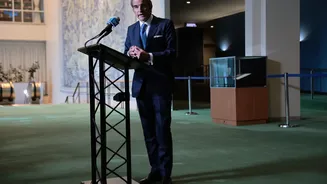
The collapse of the main agreement drew a sharp rebuke from UN Secretary-General António Guterres. In a statement, he said, 'I am deeply disappointed that COP31 has ended without consensus on an overarching outcome'. He stressed that while there may be no agreement in the negotiating room, 'there is no ambiguity in the science'. Guterres warned that the world is poised to exceed the 1.5°C warming limit and that the window to act is rapidly closing. He declared that 'we can't put out the fire while pouring fuel on it', reiterating his call for a phase-out of the fossil fuels driving the climate crisis. The sentiment was shared by activists and many national representatives, who described the result as one of the thinnest and worst in COP history.
Not a Total Failure, But a Major Setback
While the main 'Antalya Pact' was not adopted, the conference did not end in complete failure. Negotiators managed to make limited progress on other procedural items, including agreements related to the 'just transition' to help workers in high-carbon industries and mechanisms to support countries hit by climate disasters. Furthermore, a number of voluntary coalitions emerged. For example, around 80 nations signed a pledge to increase electricity's share of final energy consumption. However, these smaller wins were overshadowed by the central failure on the cover decision. The lack of a unified political statement on fossil fuels and climate finance means crucial momentum has been lost, leaving a much heavier workload for the next summit, COP32 in Ethiopia.