




The Nutritional Showdown
Both chickpeas (chana) and kidney beans (rajma) are nutritional champions, but they excel in different areas. When comparing 100 grams of the cooked legumes, rajma is slightly lower in calories, with about 127 compared to chana's 164. Protein content
is nearly a tie, with some data showing rajma having a minute edge while other analyses place chana slightly ahead; practically speaking, they both offer around 15 grams of protein per cooked cup, making them excellent for muscle building and satiety. Where they diverge more significantly is in their micronutrient profiles. Chana is a standout source of folate (Vitamin B9), crucial for cell repair and particularly important during pregnancy, providing over 70% of the daily value in a single cup. It also tends to be richer in manganese. On the other hand, rajma often boasts higher levels of iron, potassium, and calcium, making it a great choice for supporting heart health and bone density.
A Tale of Two Textures
The headline gets it right: the most noticeable difference when eating these two legumes is their texture. Chana, especially the Kabuli variety, holds its shape remarkably well after cooking. It has a firm, slightly nutty, and almost starchy bite. This structural integrity makes it incredibly versatile. You can roast it until crispy for a snack, toss it into salads without it turning to mush, or blend it into a famously smooth hummus. Rajma, in contrast, is celebrated for its creamy, melt-in-your-mouth softness when cooked thoroughly. It readily absorbs the flavours of the gravy it's simmered in, and its tender texture helps to naturally thicken curries and stews. This inherent creaminess is precisely why a well-made Rajma Masala feels so decadent and comforting. While you wouldn't typically roast rajma for a crunchy snack, its softness makes it a perfect candidate for hearty, one-pot meals where the bean is meant to meld with the sauce.
In the Kitchen: Best Uses
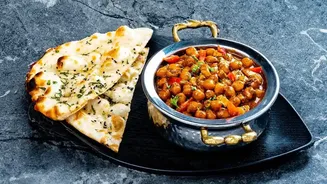
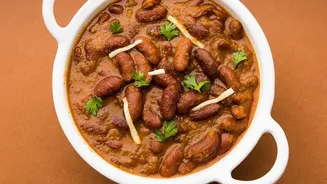
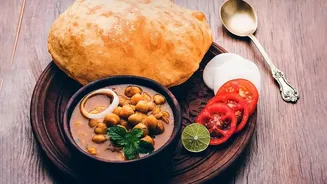
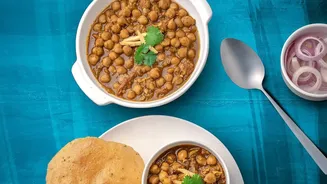
Understanding their textures is key to unlocking their full culinary potential. Chana's firmness makes it the star of dishes where the bean needs to remain distinct. Think of Chana Masala, where the chickpeas are suspended in a flavourful gravy, or a refreshing chickpea salad mixed with chopped onions, tomatoes, and herbs. Its nutty flavour also shines in dry preparations and as a roasted, spiced snack. Because it doesn’t break down easily, chana is also the go-to for creating smooth, stable dips. Rajma’s destiny is often intertwined with a rich, thick gravy. The classic North Indian Rajma Chawal is a perfect example; the beans become incredibly tender and contribute to the body of the curry. Its soft texture makes it ideal for slow-cooked dishes, stews, and any recipe where you want a luxurious, creamy element. While both can be used in curries, choosing rajma signals a desire for a softer, more integrated final dish, whereas choosing chana suggests a preference for a bitier, more distinct legume presence.
Beyond the Plate: Digestion and Blood Sugar
From a digestive standpoint, both legumes are packed with fibre, which is excellent for gut health and promoting a feeling of fullness. Rajma often has a slight edge in total fibre content. However, some people find chana easier to digest compared to the heavier rajma. When it comes to managing blood sugar, both are considered low-glycemic index (GI) foods, meaning they release energy slowly and prevent sharp spikes in blood glucose. Studies suggest that kidney beans (rajma) have a marginally lower GI than chickpeas (chana), giving them a slight advantage for those strictly monitoring their blood sugar levels. This slow energy release is what makes a meal of either rajma or chole with rice feel so satisfying and keeps you full for hours.