




The Allure of a Simple Remedy
A peppermint compress is a cloth soaked in a peppermint-infused liquid, typically cool water mixed with peppermint essential oil or a strong peppermint tea. The idea is straightforward: apply this cool, tingling cloth to your forehead, neck, or sore muscles
for relief. Its popularity stems from its accessibility and the immediate cooling sensation it provides. In wellness circles, it's often presented as a natural go-to for minor discomforts, offering a sensory experience that feels both soothing and proactive. The invigorating scent alone can make you feel more alert and refreshed, which is a significant part of its appeal.
The Science Behind the Sensation
The magic of peppermint lies in its primary active compound: menthol. When applied to the skin, menthol triggers specific sensory receptors (known as TRPM8 receptors) that are responsible for detecting cold. This is why a peppermint compress feels cool, even if the water used is lukewarm. This cooling sensation acts as a 'counter-irritant', creating a new feeling that distracts your nerves from the underlying pain signal. Furthermore, some research suggests menthol can influence blood flow and has mild pain-relieving properties, which gives a scientific basis to some of its traditional uses.
Headaches: The Strongest Case for Peppermint
The most well-supported use for topical peppermint is in treating tension-type headaches. Several studies, including a notable German controlled study, have found that a 10% peppermint oil solution diluted in ethanol, when applied to the forehead and temples, can significantly reduce headache pain. Its efficacy was found to be comparable to that of common pain relievers like paracetamol or acetylsalicylic acid. The belief is that the menthol helps relax muscles and improve circulation in the area. For a pounding head, the cooling, distracting sensation of a peppermint compress can provide genuine, evidence-backed relief.
Muscle Aches and Soreness: A Soothing Distraction
Many people reach for menthol-based rubs after a tough workout, and a peppermint compress works on a similar principle. Topical menthol has been shown to reduce the discomfort of delayed-onset muscle soreness (DOMS). Applying a peppermint compress can provide a welcome cooling feeling on tired muscles, temporarily easing the ache. However, it's important to frame this correctly. The compress is more of a surface-level soother than a deep tissue healer. While studies show it can alleviate soreness, it's the counter-irritant effect providing temporary relief, not a fundamental repair of the muscle tissue.
Fever and Other Claims: Weaker Evidence
Peppermint compresses are also popularly used to help 'break' a fever. While the menthol does create a cooling sensation on the skin, it doesn't actually lower your core body temperature. It can make someone with a fever feel more comfortable, but it's not a substitute for proper medical care or fever-reducing medication. Other claims, such as using peppermint for nausea or digestive upset, are better supported by oral consumption (like peppermint tea) or inhalation, rather than a topical compress. For these issues, the compress is unlikely to offer more than a pleasant distraction.
How to Make a Peppermint Compress Safely
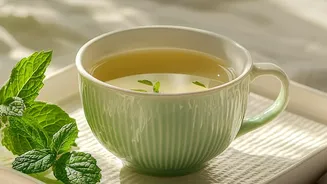
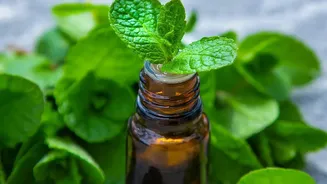
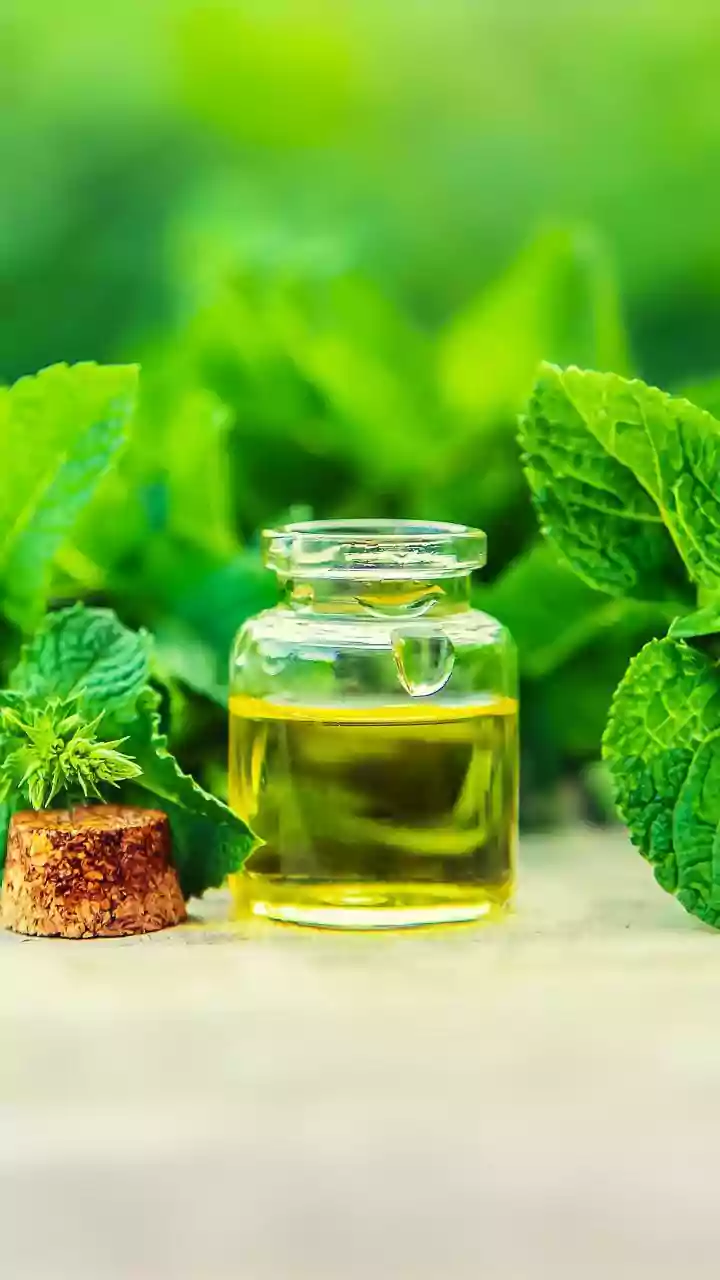
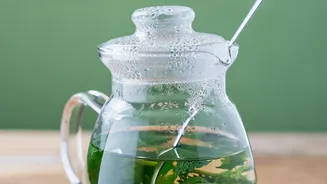
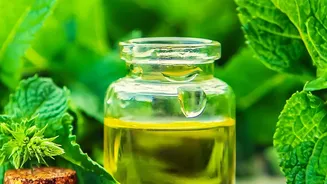
Creating your own peppermint compress is simple, but safety is key. Never apply undiluted essential oil directly to your skin, as it can cause irritation or rashes. To make a compress, add 3 to 5 drops of peppermint essential oil to a tablespoon of a carrier oil, such as coconut or jojoba oil. Mix this into a bowl of cool water. Soak a clean washcloth in the mixture, wring it out, and apply it to your forehead, temples, or the back of your neck for about 10-15 minutes. Alternatively, you can brew a very strong, concentrated tea with peppermint leaves, let it cool completely, and use that liquid for your compress.
Risks and Realistic Expectations
While generally safe, peppermint oil can cause skin irritation, redness, or a burning sensation in some individuals. It's crucial to perform a patch test on a small area of skin before applying it broadly. Avoid using it on broken skin or near the eyes. People with sensitive skin and young children should use peppermint oil with extreme caution. Think of a peppermint compress as a supportive comfort measure for minor issues, particularly tension headaches and muscle soreness. It's a tool for temporary relief, not a cure. For persistent, severe, or worsening symptoms, professional medical advice is always the right choice.