


The Protein Glow-Up
For years, protein supplements were the domain of bodybuilders and elite athletes. The conversation was about grams, gains, and post-workout recovery. Today, that conversation has moved from the gym floor to the everyday Indian household. Brands are now
framing protein not as a niche fitness product, but as a crucial component of a modern, busy lifestyle. Adverts feature working professionals, busy parents, and older adults—not just sculpted gym-goers. The message is clear: protein is for everyone. This shift is visible on supermarket shelves, with everything from protein-fortified atta and biscuits to ready-to-drink shakes that fit into a hectic schedule. The focus has pivoted from hardcore performance to convenience, general wellness, and filling nutritional gaps in day-to-day life.
Why Is This Happening Now?
Several factors are driving this protein renaissance. A growing health consciousness across India is a primary driver, with consumers actively seeking ways to improve their nutrition. The Indian wellness market is booming, expected to reach nearly USD 258 billion by 2034, fueled by a desire for preventive healthcare. Modern urban lifestyles, often marked by long work hours and less time for cooking, have created a demand for convenient yet healthy options. Furthermore, there is a growing awareness of a potential 'protein gap' in the average Indian diet, which is often rich in carbohydrates but may lack sufficient protein. Marketers have tapped into this, positioning their products as a simple solution for weight management, sustained energy, and healthy aging for a wider audience including families, women, and professionals.
Do You Actually Need a Supplement?
This is the crucial question. While marketing makes supplements seem essential, the answer depends entirely on your diet and lifestyle. According to the Indian Council of Medical Research (ICMR), a sedentary adult needs about 0.83 grams of protein per kilogram of body weight. For a 65 kg man, that’s about 54 grams, and for a 55 kg woman, it's 46 grams daily. This is the amount needed to prevent deficiency, not necessarily for optimal performance or muscle building. People who are physically active, looking to build muscle, or older adults may have higher needs, potentially ranging from 1.2 to 1.6 grams per kilogram of body weight. Before buying a supplement, it’s wise to assess your current intake. Many people are surprised to find they can meet their daily protein goals through whole foods alone.
The Power of Your Plate
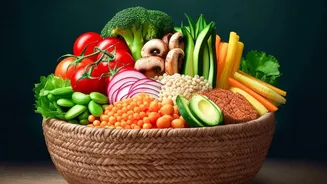
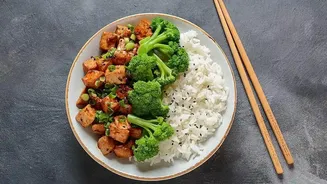
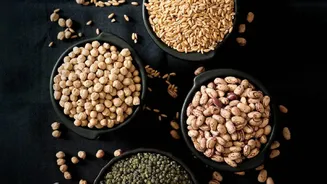
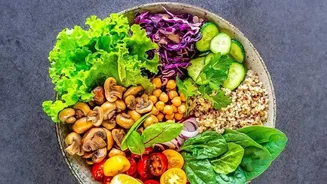
The good news is that a traditional Indian diet is rich with excellent protein sources. While supplements offer convenience, whole foods provide a wider array of nutrients like fibre, vitamins, and antioxidants that powders lack. Classic food pairings in Indian cuisine are a testament to smart nutrition. Combining lentils with grains, such as in dal and roti or rajma and chawal, creates a complete protein profile by providing all nine essential amino acids. Key vegetarian sources include lentils (dal), chickpeas (chana), kidney beans (rajma), paneer, tofu, soya chunks, and Greek yogurt (hung curd). For non-vegetarians, eggs, chicken, and fish are excellent options. A single cup of cooked dal can offer 14 grams of protein, a 100g serving of paneer provides around 18 grams, and two eggs contain about 12 grams. By consciously including a protein source in every meal, many can easily reach their daily target without supplements.