





An Eye on Cosmic Explosions
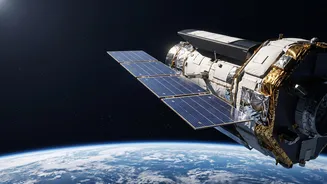
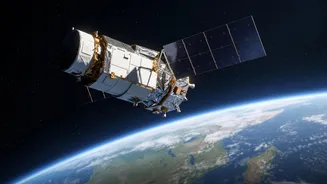
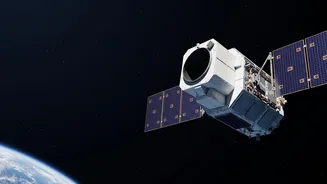
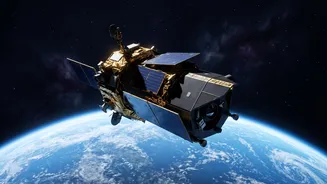
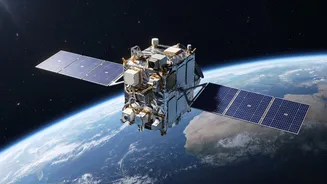
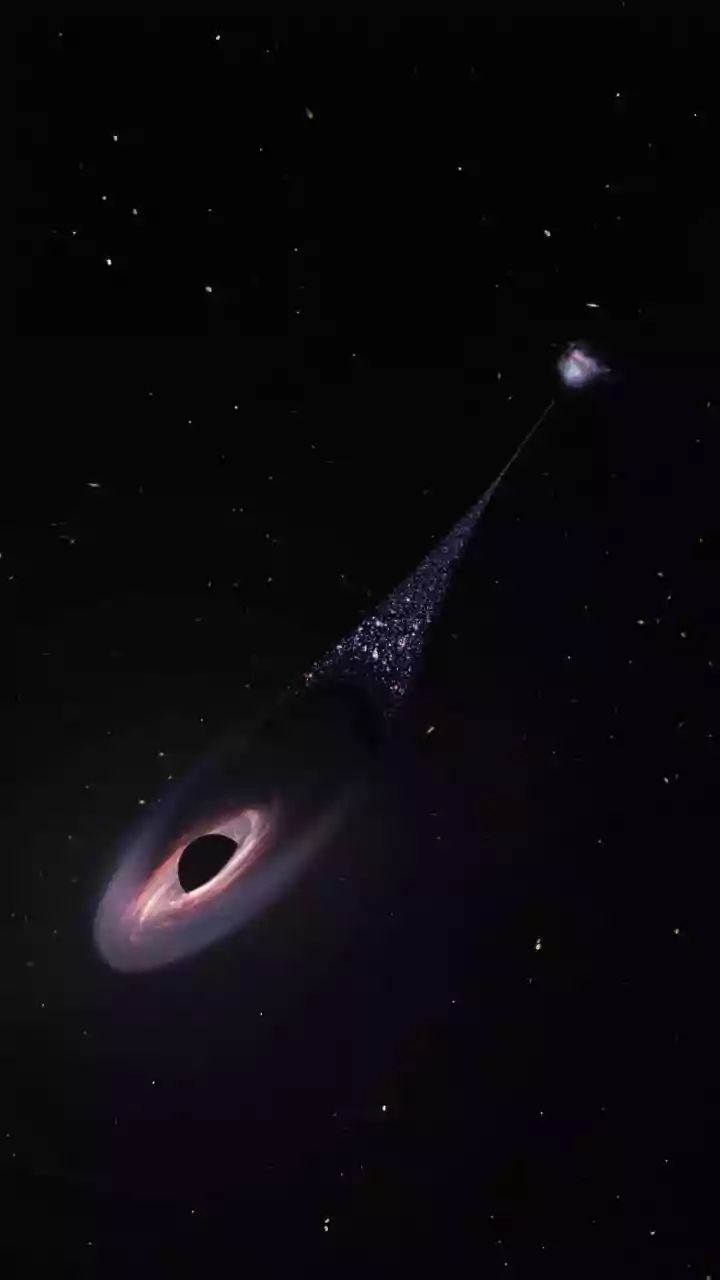
Launched in November 2004, the Swift Observatory was a game-changer in astronomy. Its primary mission was to solve the mystery of gamma-ray bursts (GRBs), the most powerful explosions in the universe. These fleeting, high-energy flashes often signal the birth
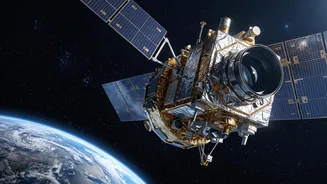
of a black hole or the collision of dense neutron stars. Swift was designed for speed. Its Burst Alert Telescope would spot a flash, and within seconds, the entire spacecraft would pivot to aim its X-ray and Ultraviolet/Optical telescopes at the event to capture its fading afterglow. This rapid response system allowed scientists to study GRBs in unprecedented detail, and over its lifetime, the observatory detected more than 1,800 of them, far exceeding its original two-year mission plan.
A Legacy of Discovery
Swift's contributions went far beyond its initial goals. It became a versatile tool for the entire astronomical community, observing everything from comets to supernovae. The observatory provided the first-ever look at a supernova at the exact moment of its explosion. It pinpointed the locations of short GRBs, strengthening the theory that they are caused by merging neutron stars. In 2009, it spotted a burst from an object so distant that its light had traveled for over 13 billion years to reach us, giving a glimpse into the early universe. One of its most famous observations was of the brightest gamma-ray burst ever recorded, an event so powerful it was nicknamed the 'BOAT' or "Brightest Of All Time". For over 20 years, Swift was an indispensable workhorse for transient astronomy.
An Unexpected Threat
The beginning of the end for Swift didn't come from an internal failure, but from the Sun. Unusually strong solar activity in recent years heated and expanded Earth's upper atmosphere. This increased the atmospheric drag on the telescope, which had been orbiting at a relatively low altitude of around 600 kilometers. Its orbit began to decay much faster than anticipated, putting it on an unavoidable collision course with the atmosphere. By early 2026, NASA projected that the celebrated observatory would burn up upon reentry later in the year, bringing its historic mission to a fiery conclusion.
The Daring Rescue and Final Failure
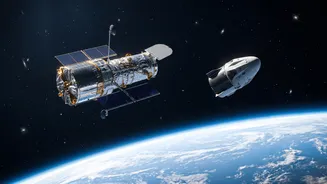
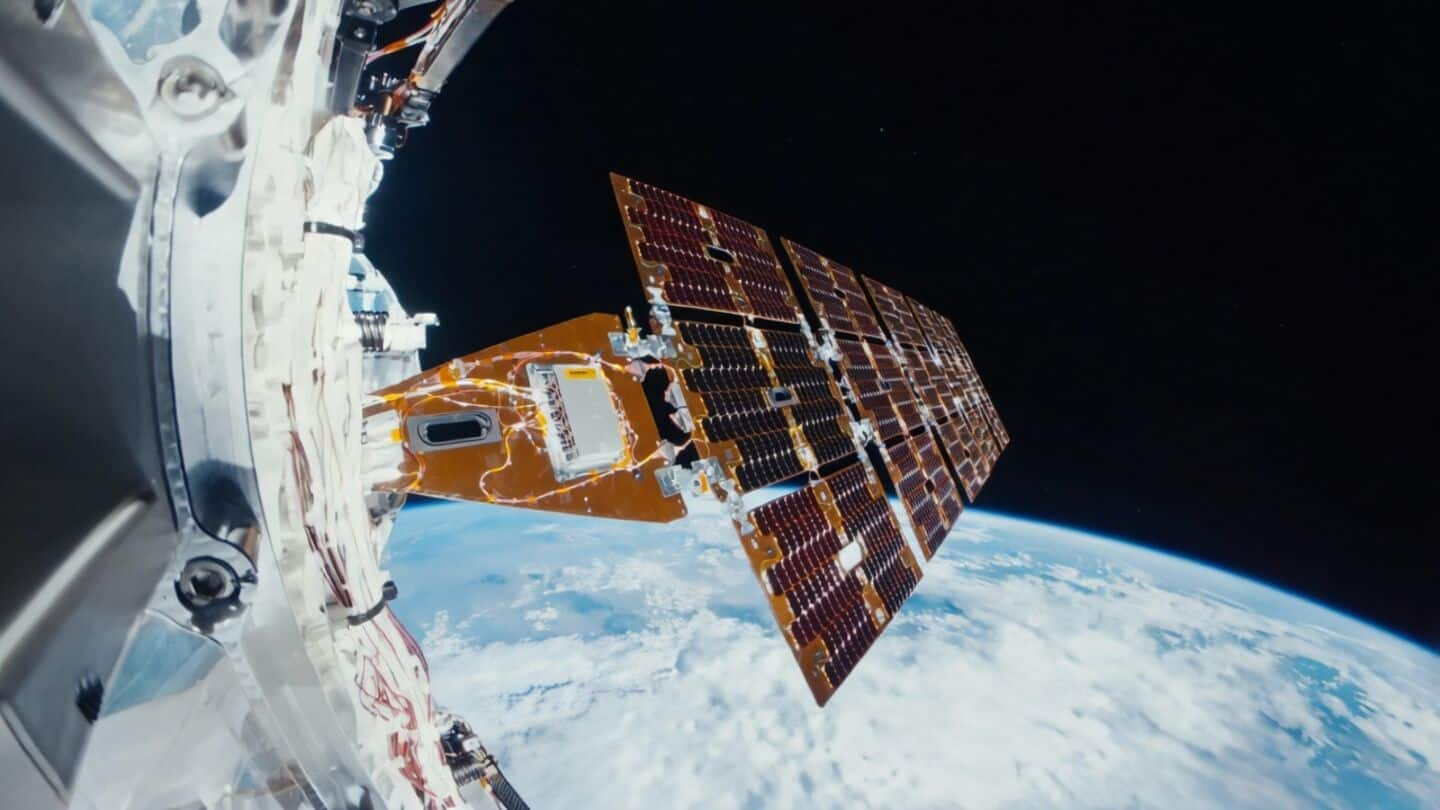
Refusing to let the observatory go without a fight, NASA embarked on an ambitious, first-of-its-kind rescue. The agency awarded a $30 million contract to a commercial partner, Katalyst Space Technologies, to build a robotic servicing spacecraft named LINK. Launched in early July 2026, the plan was for LINK to autonomously rendezvous with Swift, grab it with robotic arms, and fire its thrusters to push it into a higher, safer orbit. However, the high-risk mission soon ran into trouble. Weeks after launch, the LINK spacecraft suffered a critical malfunction in its attitude control system. Two of its three reaction wheels—devices that allow it to point accurately—failed, sending the craft into an uncontrollable spin and causing sporadic communications. Despite frantic efforts to salvage the mission, the problem proved insurmountable. In mid-August, NASA and Katalyst officially abandoned the rescue attempt.