

A Celestial Double Feature
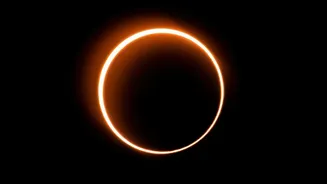
It is one of nature’s most sought-after spectacles: a total solar eclipse. But the event slated for August 12, 2026, has a rare twist. As the Moon’s shadow races across the globe from the Arctic to Spain, its final act will play out over the Iberian Peninsula
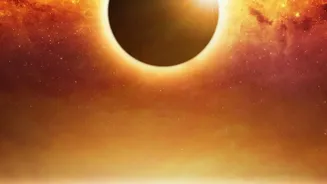
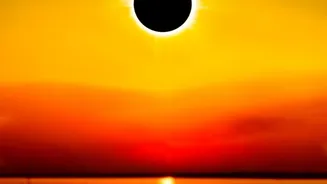
at the end of the day. For observers in a narrow path across northern Spain, including the province of Burgos, the brief moments of total darkness will occur when the Sun is extremely low on the western horizon. This extraordinary alignment means the unearthly darkness of totality will be followed almost immediately by the natural twilight of sunset, creating a breathtaking visual phenomenon. Astronomers and travellers are calling it the “sunset eclipse,” a once-in-a-generation celestial event.
Why Rural Burgos is a Prime Spot
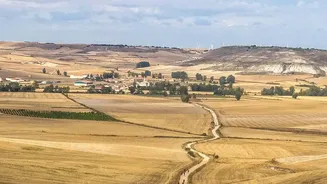
While the path of totality crosses several major Spanish cities, the rural plains around Burgos offer a unique advantage. The success of viewing a sunset eclipse depends entirely on having a clear, unobstructed view of the western horizon. The high, open plateaus of the Castilla y León region provide vast, cinematic landscapes perfect for this purpose. In Burgos, totality is expected to begin around 8:28 PM local time, with the sun just 8 degrees above the horizon. The full period of darkness will last for approximately 1 minute and 44 seconds. The region’s typically clear August skies also increase the chances of a perfect view, making it a top destination for serious eclipse chasers and curious travellers alike.
What Observers Will Experience
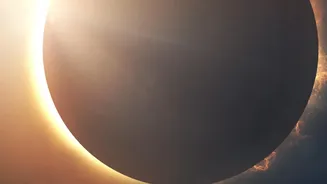
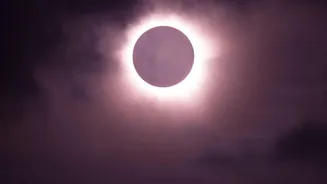
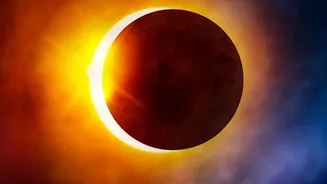
The experience will be unlike any other eclipse. As the last sliver of sun disappears, the world will not just darken—it will transform. Viewers can expect to see the Sun’s corona, its ethereal outer atmosphere, glowing around the black disk of the Moon. With the Sun so low, its light will travel through more of Earth's atmosphere, which could create a stunningly colourful and distorted effect, different from eclipses seen high overhead. The horizon will glow with sunset colours in all 360 degrees. Then, as the sunlight dramatically returns, it will almost immediately begin to fade again as the Sun sinks below the horizon for the night. One local astronomer described it as feeling like you are watching two distinct sunsets within minutes of each other.
A Global Phenomenon in a Tiny Village
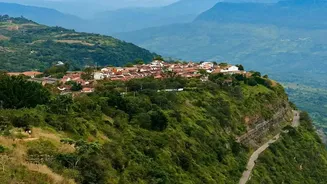
The significance of this event has not been lost on the world. International tour groups, scientists, and photographers have been booking accommodation for years. Even tiny, quiet hamlets in the Burgos province, such as Aveyanosa de Munio, are preparing for an unprecedented influx of visitors. With a usual population of only a handful of residents, the village finds itself at the centre of the astronomical world for a day. This eclipse is the first to be visible from mainland Europe since 1999 and the first over mainland Spain in more than a century, adding to its historic importance. For a few minutes, these quiet Spanish fields will host one of the grandest, most fleeting shows on Earth.