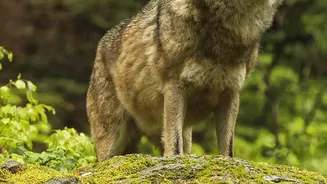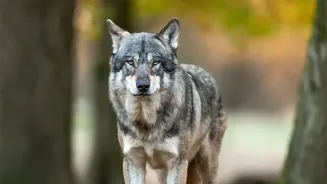






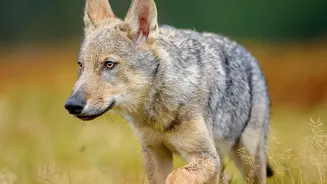
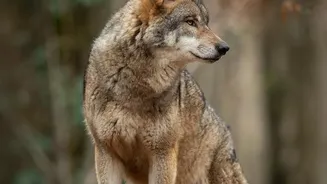
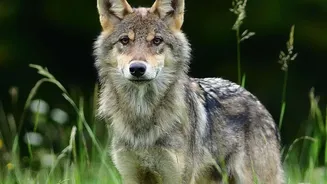
The Wolf's Quiet Comeback
Against a backdrop of densely populated landscapes, Europe's wolf population has seen a significant recovery. Recent studies show a remarkable increase, with estimates suggesting the population grew to over 21,500 individuals by 2022, a substantial jump
from around 12,000 a decade prior. This revival is a testament to dedicated conservation efforts and legal protections like the EU Habitats Directive. Packs are now found in countries where they were absent for generations, from the mountains of Italy and Spain to the forests of Germany and Poland. This resurgence is not just a win for biodiversity; it has also changed how people see an animal long steeped in myth and fear.
From Fear to Fascination
The return of the wolf has been met with a shift in public perception. While conflicts with livestock remain a challenge, there's a growing fascination with these intelligent and social predators. This curiosity has fuelled a new niche in the continent's growing wildlife tourism market, which is projected to expand significantly in the coming years. Rather than being viewed solely as a threat, the wolf is increasingly seen as an indicator of a healthy, wild ecosystem and a powerful economic asset for rural communities. This has paved the way for tourism that revolves not around hunting, but around observing and appreciating the animal in its natural habitat.
What 'Responsible' Really Means
The key to this new industry is the word "responsible." Ethical wolf tourism is built on a foundation of non-interference. It's about respecting the animal's wild nature. This means keeping a significant distance, often using powerful telescopes and spotting scopes for observation. Reputable tour operators will never guarantee a sighting, as the well-being of the wolves comes first. Unethical practices, such as baiting, using recorded howls to attract them, or approaching den sites, are strictly avoided as they can habituate wolves to humans, which can be dangerous for both parties. The best tours are led by biologist guides who provide deep insights into the wolves' ecology and behaviour, focusing on tracking, identifying signs, and understanding the entire ecosystem.
On the Trail of the Pack
Several regions have become hotspots for this careful form of ecotourism. Spain's Sierra de la Culebra is renowned as one of Europe's premier wolf-watching destinations, boasting one of the highest densities of Iberian wolves. Here, local operators guide small groups to elevated viewpoints at dawn and dusk for the best chance of a sighting. Similarly, Italy's Abruzzo National Park offers immersive experiences where visitors learn to identify tracks in the snow and listen for howls, all while contributing to the local economy. Other destinations include the Carpathian Mountains in Romania and Poland's primeval Białowieża Forest. These trips often combine patient observation with interpretive hikes, turning a fleeting glimpse into a profound lesson in conservation.
A Path Toward Coexistence
While promising, the rise of wolf tourism is not without its challenges. The primary concern is always the potential for disturbance. As the industry grows, so does the risk of overcrowding and pressure on sensitive habitats. Regulation and a shared commitment to ethical principles are crucial to ensure that tourism remains a positive force. When managed correctly, it offers a powerful model for coexistence. By providing a sustainable source of income for local communities, wildlife watching can turn a perceived liability into a valuable economic driver. It fosters a sense of stewardship and proves that humans and large predators can, with care and respect, share the same landscapes.