





The Ever-Shifting Earth
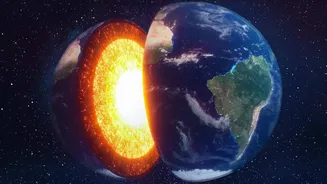
Our planet's continents are in constant, albeit slow, motion. Riding on the back of tectonic plates, they drift at roughly the same speed your fingernails grow, about 5 to 10 centimetres per year. This movement is part of the supercontinent cycle, a process
where Earth's landmasses periodically drift apart and then merge back together over hundreds of millions of years. The last time this happened, it resulted in Pangea, a massive continent that began breaking apart about 200 million years ago, eventually giving us the seven continents we know today. Now, scientists are using our understanding of this cycle to forecast the next great assembly.
Introducing Pangea Ultima
One of the leading hypotheses for our planet's future geography is a supercontinent dubbed Pangea Ultima. First hypothesized by geologist Christopher Scotese in 1982, this model predicts that the Atlantic Ocean will begin to close. In this scenario, subduction zones, where one tectonic plate slides beneath another, would form along the eastern coasts of North and South America. This would effectively pull the Americas back towards Europe and Africa, closing the Atlantic and Indian Oceans and forming a new, vast landmass reminiscent of the original Pangea. Scotese originally called it "Pangea Ultima" but later updated it to "Pangea Proxima" (meaning next Pangea) to suggest it may not be the last supercontinent our planet ever forms.
A World of Extremes
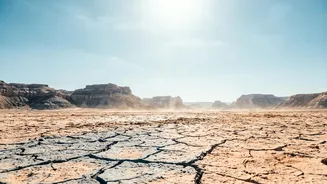
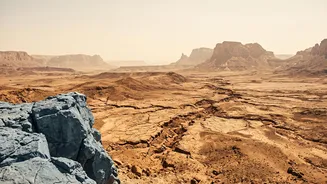
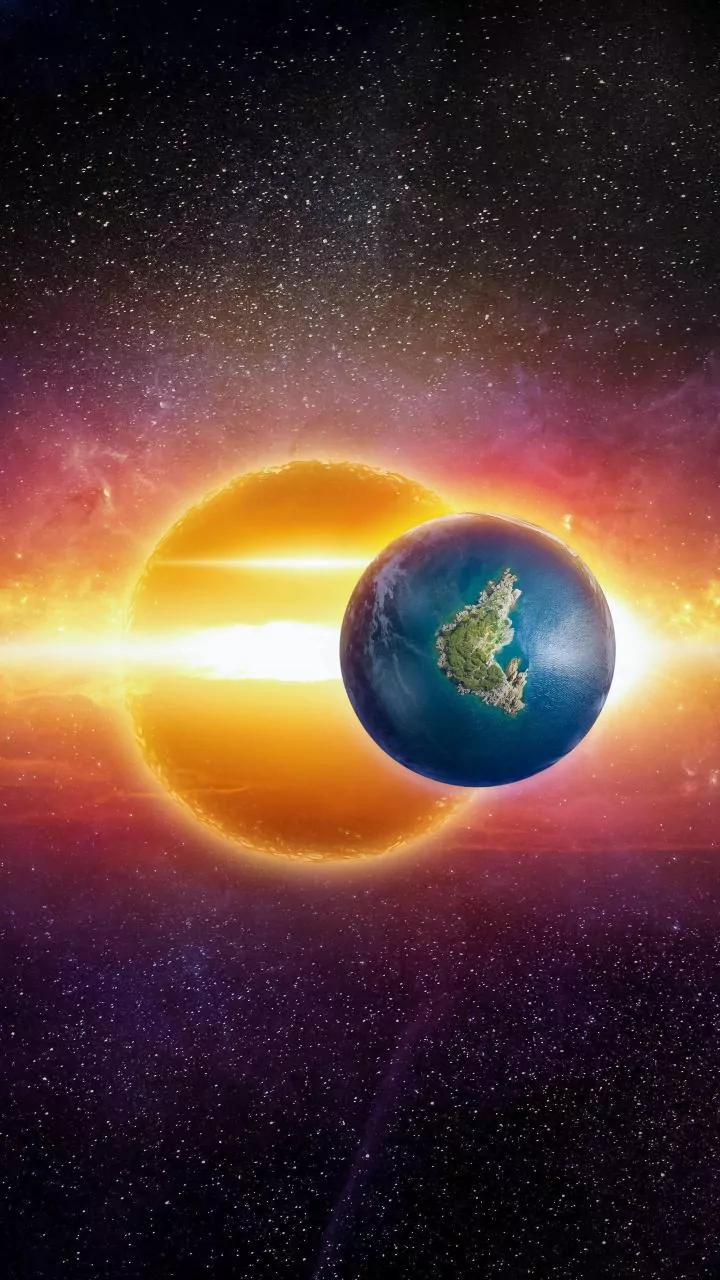
What would it be like to live on Pangea Ultima? According to recent climate models, it would be incredibly hostile for mammals, including any potential human descendants. The formation of a massive supercontinent creates a powerful "continentality effect." Vast interior regions would be thousands of kilometres from the moderating influence of oceans, leading to extreme temperatures and widespread desert conditions. Compounding this, the sun is expected to be about 2.5% brighter in 250 million years, increasing solar radiation. Computer simulations suggest average temperatures could soar to between 40 and 50 degrees Celsius, with huge portions of the land becoming uninhabitable. Increased volcanic activity during the continental collisions would also pump more carbon dioxide into the atmosphere, further intensifying the heat.
An Uninhabitable Future?
A 2023 study published in Nature Geoscience painted a stark picture of Pangea Ultima's climate. The research found that under certain conditions, as little as 8% of the supercontinent's land would be habitable for mammals. The combination of intense heat and high humidity on the coasts would make it difficult for mammals to cool themselves by sweating. While this points towards a potential mass extinction event for mammals, it doesn't mean the planet would become lifeless. Life has survived immense environmental shifts before, and new species could evolve to adapt to the harsh new world.
Not the Only Possible Future
Pangea Ultima is a compelling hypothesis, but it's important to remember that it is a projection, not a certainty. The forces that drive plate tectonics are complex and difficult to predict over such vast timescales. Scientists have proposed several other possible future supercontinent configurations based on different assumptions. These include Novopangaea, formed by the closure of the Pacific Ocean; Amasia, which pictures the Americas and Eurasia drifting north to merge over the Arctic; and Aurica, where both the Atlantic and Pacific oceans close. Each scenario presents a different vision of Earth's deep future and a unique set of climatic conditions. The study of these possibilities, while speculative, is a valuable exercise in understanding the fundamental processes that shape our planet.