




The Science of Reheating Oil
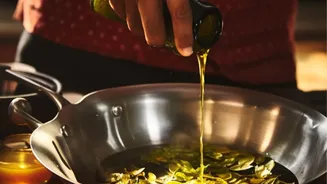
When cooking oil is heated, its chemical structure begins to change. Every oil has a "smoke point," the temperature at which it starts to break down and produce visible smoke. Reheating oil repeatedly pushes it past this point again and again. This process,
known as thermal degradation, creates a host of harmful compounds that were not present in the fresh oil. Each heating cycle generates more free radicals, which are unstable molecules that cause cellular damage. It also leads to the formation of toxic substances like aldehydes and polycyclic aromatic hydrocarbons (PAHs), some of which are known carcinogens. Essentially, the oil becomes progressively more toxic with each use, even if it looks and smells normal.
The Unseen Health Risks
Consuming food cooked in repeatedly used oil can have significant long-term health consequences. The harmful compounds formed during reheating contribute to oxidative stress and chronic inflammation in the body. This inflammation is a known risk factor for several serious conditions, including heart disease, diabetes, and certain types of cancer. Reused oil has been linked to an increase in LDL (bad) cholesterol and blood pressure, contributing to the hardening of arteries. Furthermore, animal studies have suggested a connection between consuming thermally abused oil and an increased progression of cancer, along with DNA damage. Digestive issues like acidity and heartburn can also be exacerbated by eating foods cooked in degraded oil.
Does the Type of Oil Matter?
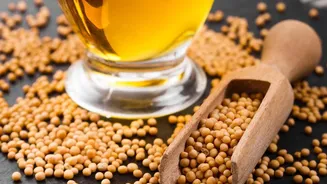
Yes, the type of oil you use makes a difference. Oils with a high smoke point and greater stability, such as groundnut (peanut) oil, mustard oil, ghee, and sesame oil, are better suited for the high-heat cooking common in Indian kitchens. Polyunsaturated oils like sunflower and soybean oil are more vulnerable to breaking down with heat. However, no oil is completely immune to degradation. While a stable oil might withstand one or two uses better than a less stable one, it will still break down and form harmful compounds with repeated heating. The key is that all oils become more harmful the more times they are reheated.
Smarter Habits for Your Kitchen
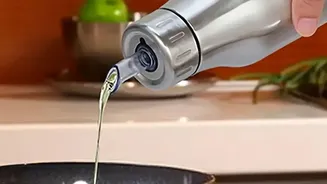
Adopting healthier oil habits doesn't mean you have to be wasteful. It’s about being more mindful. The Indian Council of Medical Research (ICMR) advises against the repeated heating of vegetable oils to avoid the generation of toxic compounds. Try to use just enough oil for the task at hand; for instance, shallow-frying instead of deep-frying where possible. If you must reuse oil, it's best to do so only once. After it has cooled completely, strain it through a fine mesh or cheesecloth to remove any food particles, which accelerate degradation. Store this used oil in an airtight, opaque container in a cool, dark place, and use it within a day or two. Always discard oil if it appears dark, thick, foamy, or has a rancid smell.