



What Exactly is FSSAI Proposing?
The Food Safety and Standards Authority of India (FSSAI) has introduced a draft amendment targeting products sold as 'paneer'. Titled the Food Safety and Standards (Prohibition and Restrictions on Sales) Amendment Regulations, 2026, the proposal is straightforward:
the term 'paneer' should only be used for products made from milk. Any product that looks and feels like paneer but uses non-milk ingredients—specifically replacing milk fat and protein with vegetable-based alternatives—would be prohibited from using the word 'paneer' on its packaging or in its marketing. This means companies making these so-called 'analogue' products would need to find a new name for them.
The Difference: Real Paneer vs. Analogue Paneer
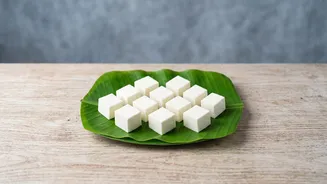
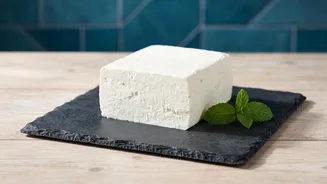
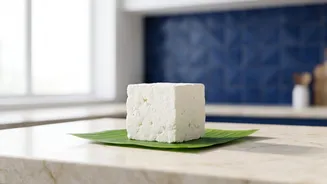
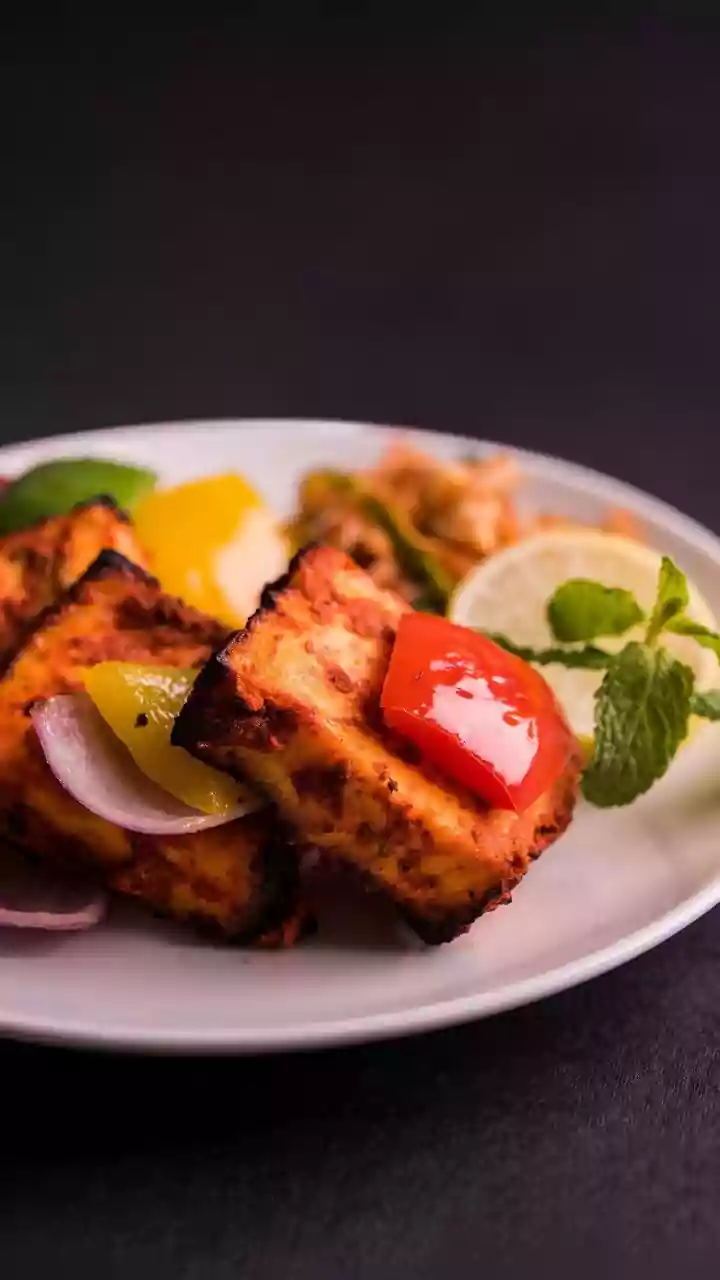
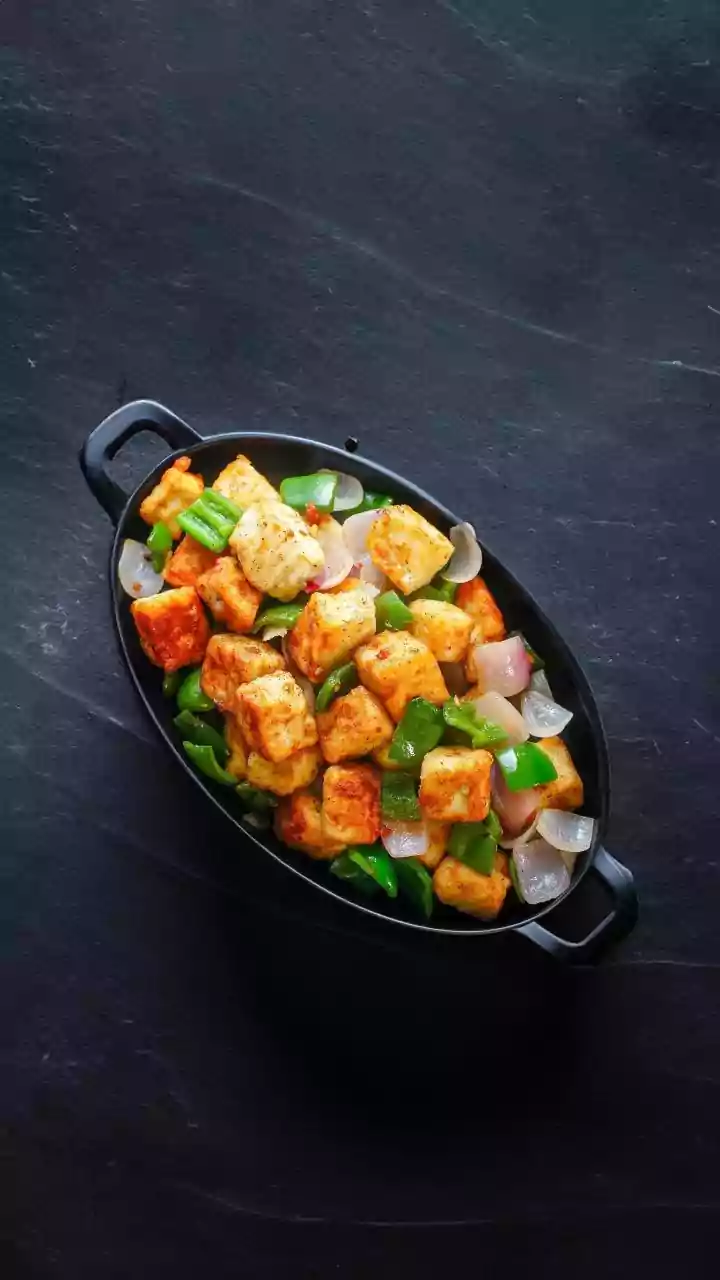
The distinction is all about the ingredients. Authentic paneer, as defined by FSSAI, is a fresh cheese obtained by curdling cow or buffalo milk with an acidic agent like lemon juice or vinegar. It’s a natural product rich in milk protein and fats. Analogue paneer, on the other hand, is an imitation. It's engineered to mimic the texture and appearance of real paneer but is made by substituting milk fat and protein with cheaper alternatives like vegetable oils (often palm oil), starch, and various emulsifiers and stabilisers. While not necessarily illegal if labelled correctly, these products often have a vastly different nutritional profile, typically containing less protein and more processed fats.
Why is This Happening Now?
The FSSAI's national proposal follows a series of crackdowns at the state level. States like Maharashtra, Karnataka, Gujarat, and Chhattisgarh have already taken steps to ban or restrict the sale of analogue products being passed off as paneer. These actions were prompted by widespread findings of mislabelling and adulteration, where consumers were unknowingly buying or being served lower-quality substitutes in place of real paneer. The goal of the new draft regulation is to create a uniform, nationwide rule to prevent this consumer deception and ensure that when you pay for paneer, you get actual paneer. The regulator is trying to protect the trust associated with the word itself.
How Does This Affect You?
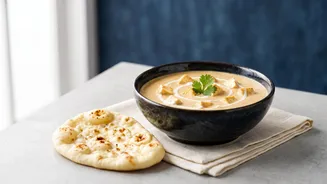
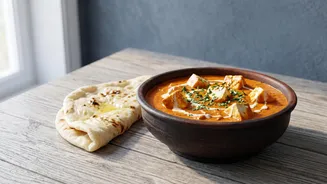
For consumers, this proposal is a significant step towards greater transparency. If finalized, the rule will make it much easier to identify authentic paneer on store shelves. You will be able to make a clear choice based on ingredients, nutritional value, and price. It is especially important when eating out, as restaurants and caterers would also be required to disclose if they are using a paneer analogue instead of the real thing. This prevents situations where you might be served a dish like palak paneer made with a vegetable oil-based product without your knowledge. The ultimate aim is to empower you to know exactly what you are eating and paying for.
What Happens Next?
It's important to remember that this is currently a draft proposal, not a final rule. FSSAI has invited comments and suggestions from the public and industry stakeholders for a 60-day period following the notification. After reviewing the feedback, the authority will decide on the final shape of the regulation. However, the direction is clear: FSSAI is pushing for honesty and clarity in food labelling. This move signals a broader crackdown on misleading food marketing, urging consumers to become more vigilant and read ingredient lists more carefully.