



Understanding the 'Weekly Special'
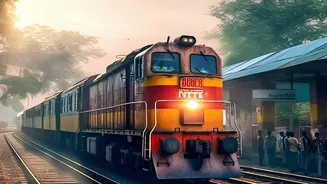
Indian Railways frequently announces special trains to manage seasonal or festive rushes and to test demand on new routes. These services often run on a weekly, bi-weekly, or tri-weekly basis rather than daily. This strategy allows the network to introduce
new connections without requiring a massive allocation of coaches or disrupting the tightly packed schedules of existing daily express trains. For passengers, these weekly trains are a significant boon. They often connect major economic hubs, tourist circuits, or provide crucial links for migrant workers travelling between their homes and workplaces, such as the recently announced tri-weekly Amrit Bharat Express between Bhuj in Gujarat and Barauni in Bihar. This creates new direct routes where none existed before, reducing the need for multiple connecting journeys.
More Options on High-Demand Corridors
The term “corridor” refers to a specific, high-traffic railway route connecting major cities. Examples include the bustling Mumbai-Chennai or Delhi-Varanasi corridors. During peak seasons like Diwali, Dussehra, or summer holidays, these routes see a massive surge in passenger numbers, making confirmed tickets scarce. To address this, railways introduce festival special services. For instance, to manage the 2026 festive rush, 102 special trains were announced for the Solapur Division alone, enhancing connectivity to hubs like Mumbai, Chennai, and Kolhapur. These weekly or bi-weekly services provide thousands of additional berths, offering a crucial alternative for those who couldn't secure a spot on a regular train. While some of these services are temporary, popular ones are often extended or even made permanent based on public response.
The Budget Traveller's Advantage
The primary appeal of many of these special services lies in their accessibility for budget-conscious travellers. While some premium special trains, like the Vande Bharat sleepers, cater to a higher-end market, many others are designed for economy travel. Trains like the Amrit Bharat Express feature non-air-conditioned sleeper and unreserved general coaches, keeping fares low. These trains are specifically designed to connect cities more than 800 km apart, making long-distance travel affordable. Compared to the dynamic pricing of flights or even the cost of long-distance buses, these trains provide a much-needed economical alternative. A standard sleeper class ticket on a long-distance train can be significantly cheaper than a bus journey covering the same distance.
What to Expect: Fare and Flexibility
It is important for travellers to note that special trains sometimes come with 'special charges,' meaning their fares can be 10-20% higher than a regular train on the same route. This is a trade-off for the increased availability, especially during periods of high demand. However, the advantage is that getting a confirmed ticket, even on the last day, is often easier on these trains compared to their waitlisted regular counterparts. These services provide choice not just in price, but in timing. A weekly train might offer an overnight departure that is more convenient than the existing daily options, saving travellers the cost of a hotel room for a night's stay. The key is flexibility; for a traveller willing to depart on a Tuesday instead of a Wednesday, a weekly special can be the perfect solution.
How to Book These Special Trains
Booking a ticket on a weekly or special train is straightforward and follows the same process as booking any other train in India. The primary and most reliable method is through the official IRCTC website (irctc.co.in) or its mobile app, Rail Connect. Bookings can also be made at computerised railway reservation counters. When searching for trains between your origin and destination, these special services will appear in the search results, often with a train number starting with '0'. It's advisable to book as soon as reservations open, as these trains are announced to clear a specific rush and can fill up quickly. For real-time information on train schedules and platform details, passengers should use the National Train Enquiry System (NTES) portal or app.