



What is Tai Chi, Really?
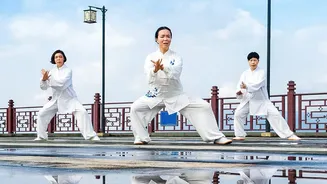
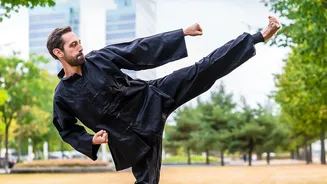
Originating as a Chinese martial art, Tai Chi is now practiced worldwide as a health-promoting exercise. It consists of a series of slow, flowing movements that are performed in a focused and graceful manner. Often described as “meditation in motion,”
the practice integrates deep, natural breathing with continuous, circular motions. Unlike many other forms of exercise, the muscles remain relaxed rather than tensed, and the joints are never fully extended or bent, making it exceptionally gentle on the body. This unique combination of physical activity and mental focus is designed to harmonize the mind and body, promoting a sense of inner calm. The movements often have names inspired by nature or animals, such as "white crane spreads its wings," adding a poetic layer to the physical discipline.
The Power of a Low-Impact Routine
One of Tai Chi’s most significant advantages is its low-impact nature. This means it puts minimal stress on your joints, making it a safe and accessible option for people of all ages and fitness levels, including those recovering from surgery or managing chronic conditions. Research and expert opinion confirm that despite its gentle pace, Tai Chi addresses key components of fitness: muscle strength, flexibility, and balance. Regular practice can improve both upper and lower-body strength, comparable in some ways to resistance training or brisk walking, all without leaving you breathless or sore. This sustainability is a major benefit; because it is restorative rather than exhausting, people are more likely to stick with it long-term, making it a realistic addition to a busy life.
Enhancing Balance, One Step at a Time
A substantial body of research highlights Tai Chi's effectiveness in improving balance and reducing the risk of falls, particularly in older adults. The practice enhances proprioception—the body’s ability to sense its position in space. This sense often declines with age, but the slow, deliberate weight shifts in Tai Chi help retrain this crucial function. By improving muscle strength and flexibility, it also makes you better able to recover from a stumble. Some studies have found that people who practice Tai Chi experience significantly fewer falls than those who do not, leading organizations like the U.S. Centers for Disease Control and Prevention (CDC) to recognize it as an effective tool for fall prevention.
Sharpening Attention and Mental Focus
The description of Tai Chi as “meditation in motion” points to its profound mental benefits. The practice requires sustained concentration to remember the sequence of movements and coordinate them with your breath. This focus on the present moment helps to quiet distracting thoughts, reduce stress, and improve overall mental clarity. Studies show that regular Tai Chi practice can improve executive functions like multitasking and decision-making. In a way, you are training your brain to pay attention. This enhanced focus and mindfulness can carry over into your daily life, helping you feel calmer and more centered long after your session is over.
Why Nature Is the Ideal Studio
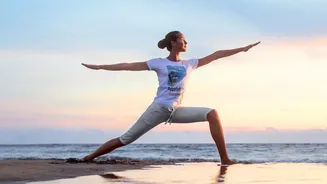
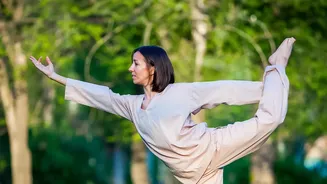
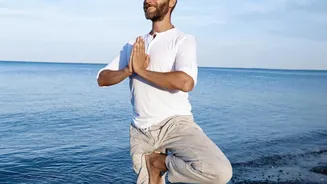
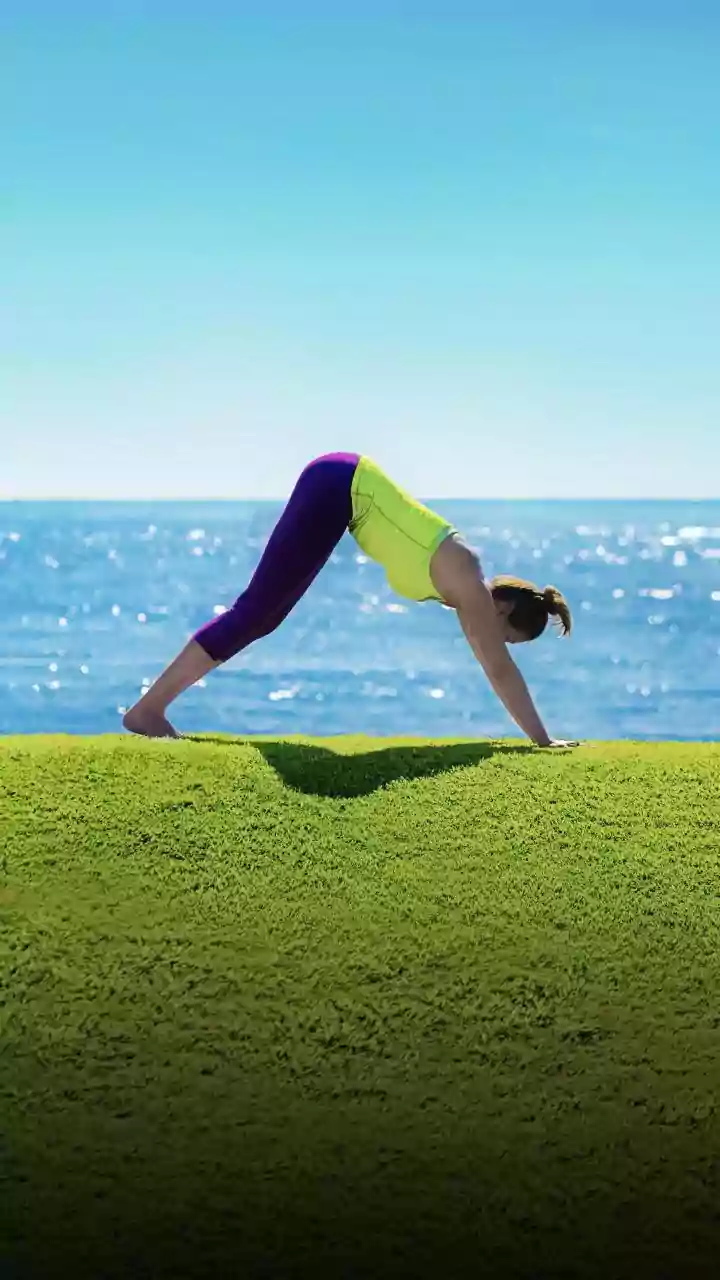
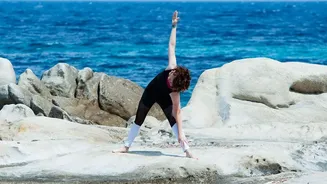
Taking your Tai Chi practice outdoors amplifies its benefits. Practicing on natural, uneven surfaces like grass or sand challenges your body to work harder to maintain stability, further strengthening your core and stabilizing muscles. Beyond the physical, the mental boost is significant. Research shows that exposure to green spaces reduces stress hormones like cortisol and can lower symptoms of anxiety. The calming sounds of nature—like wind, birdsong, or rustling leaves—create a restorative soundscape that supports relaxation and focus. Breathing fresh air can feel more expansive than being indoors, and connecting with the natural elements is a core principle of Tai Chi, which was founded on the laws of nature.