






The Great Soaking Debate: Is It Necessary?
The short answer is no, you don't always have to soak masoor dal (split red lentils). Unlike larger, tougher legumes like chana or rajma, masoor dal is small and cooks relatively quickly, making it ideal for a weeknight meal. Many recipes suggest you can
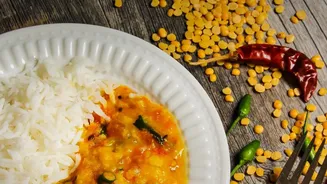
simply rinse it well and start cooking. However, skipping the soak is a trade-off. While convenient, it might mean a longer cooking time and a slightly different final texture. The primary reason for confusion is the difference between whole masoor (the small, brown lentil) and split masoor (the familiar orange/red dal). Whole masoor benefits greatly from soaking, while split masoor is more forgiving.
The Case for Soaking: Better Texture and Digestion
While not strictly required, soaking masoor dal for even a short period offers several clear advantages. A 30-minute soak is often recommended to ensure the lentils cook evenly, resulting in a creamier, more consistent texture. Soaking also helps activate enzymes that break down compounds like phytic acid and complex sugars. This not only makes the dal easier to digest and reduces issues like bloating but also improves your body's ability to absorb essential minerals like iron and zinc. If you want the creamiest dal that's also gentle on the stomach, a quick soak is your best bet.
When to Skip Soaking: A Guide for Busy Cooks
If you're short on time, you can absolutely cook masoor dal without soaking. The key is to be prepared for a slightly longer cooking process. Without a soak, the lentils will need more time on the stove or in the pressure cooker to become fully tender. You might also need to add a little extra water, as the dry lentils will absorb more liquid. The final texture may be less creamy and more rustic, which some people prefer. Rinsing thoroughly is non-negotiable in either case to remove any dust and excess starch that can make the dal taste odd or bitter.
The Modern Method: From Rinse to Tadka
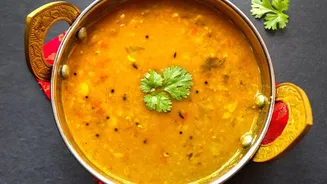
For perfect masoor dal, follow these steps. First, always rinse the lentils under running water until the water runs clear. If you have time, soak them in fresh water for 30 minutes, then drain. To cook, use a 1:3 ratio of dal to water for the stovetop method (e.g., one cup of dal to three cups of water). Bring to a boil and then simmer, skimming off any white foam that rises to the surface. Cook until the lentils are soft and have broken down, which can take 20-25 minutes. For a faster method, a pressure cooker can have them soft in about 6-10 minutes. Don't add salt or acidic ingredients like tomatoes until the dal is nearly cooked, as they can toughen the lentils and slow the cooking process. The final, crucial step is the tadka (tempering). Sizzling spices like cumin seeds, garlic, and dried red chillies in hot ghee or oil and pouring it over the cooked dal is what brings the dish to life, adding a massive burst of flavour and aroma.
Common Mistakes to Avoid
Achieving dal perfection often means avoiding a few common pitfalls. First, never skip the tadka; it's the heart of the dal's flavour. Second, be careful not to burn the garlic or spices in your tempering, as this will make the entire dish bitter. Another mistake is adding too much turmeric, which can also lend a bitter taste. A little goes a long way. Finally, overcooking the dal on a high flame can result in a mushy mess with a bitter aftertaste. A gentle simmer is always better for achieving that coveted creamy consistency. By paying attention to these small details, you can ensure your dal is delicious every single time.