





A Watcher in the Sky
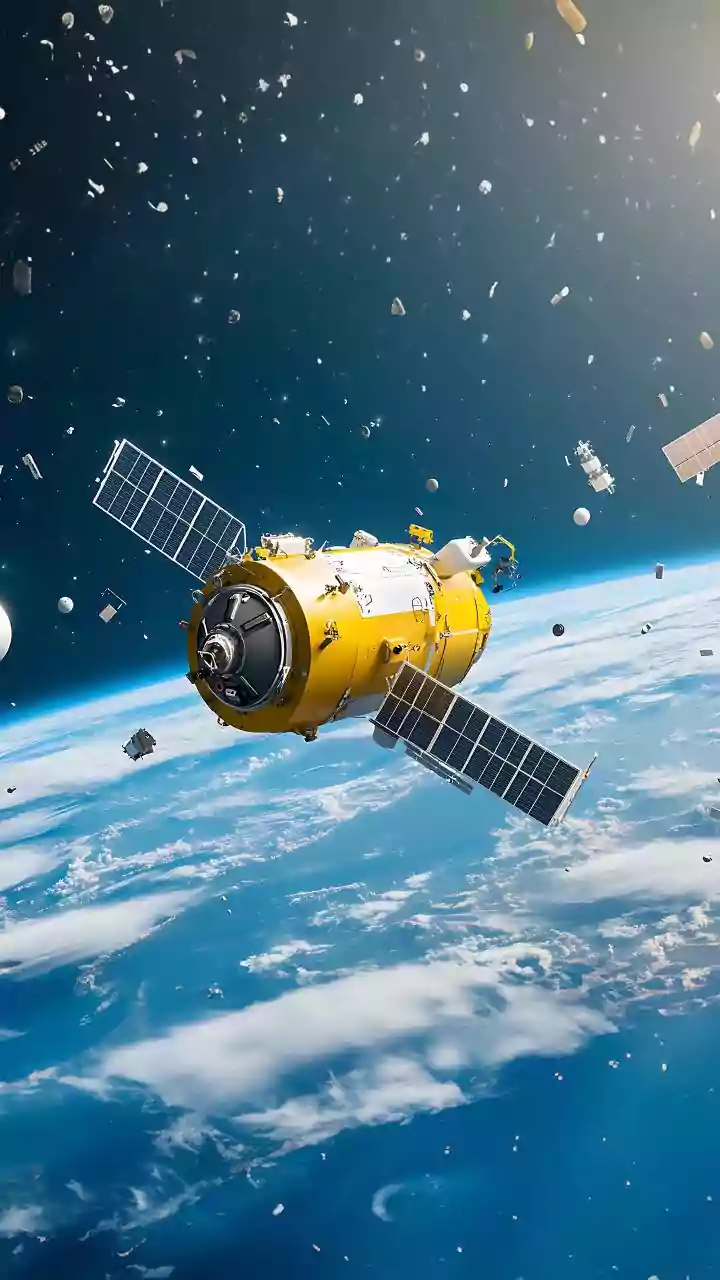
The Sentinel-1 mission is part of Copernicus, a joint initiative of the European Commission and the European Space Agency (ESA) designed to monitor our planet and its environment. Unlike a regular camera, Sentinel-1 uses advanced radar technology. This
allows it to see through clouds, rain, and even the complete darkness of the long polar winter, providing an uninterrupted stream of images of Earth's surface. The constellation of Sentinel satellites can image the entire planet every six days, making it an invaluable tool for tracking rapid environmental changes.
What Exactly is an Ice Tongue?
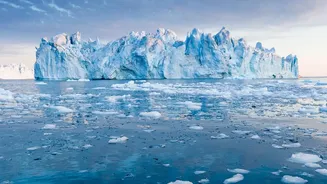
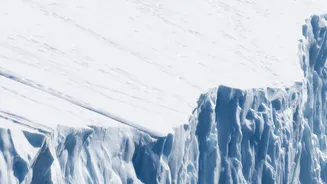
An ice tongue is the seaward extension of a glacier, a narrow strip of ice that floats out into the ocean. Think of it as a pier made of ancient ice, jutting out from the coastline. These formations occur when a fast-moving glacier pushes out into the sea. One of the most significant is the Petermann Glacier in northwest Greenland. Its ice tongue acts like a cork in a bottle, providing a crucial buttressing effect that helps to hold back the massive Greenland Ice Sheet behind it. The stability of these tongues is a critical factor in controlling how quickly ice from the land flows into the ocean.
A Shape in Constant Motion
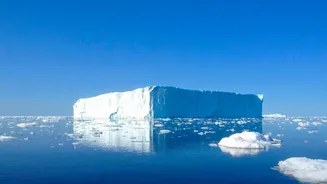
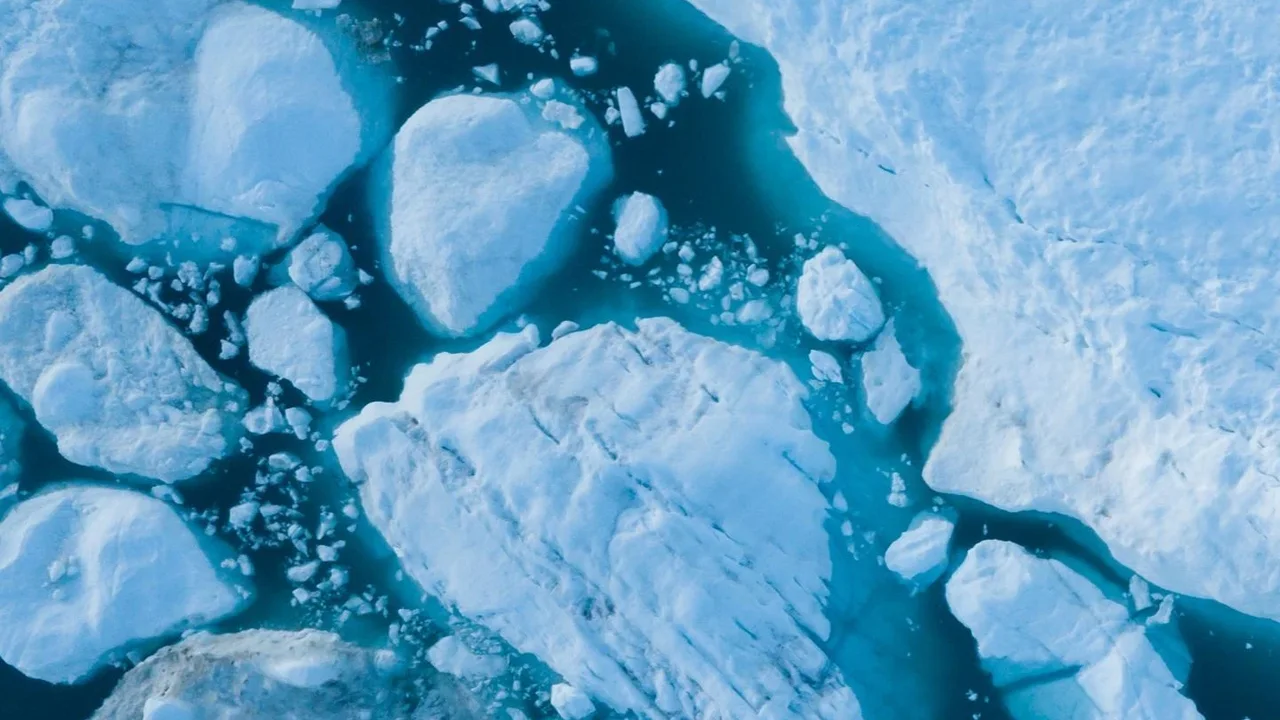
Sentinel-1's radar eyes have been watching the Petermann Glacier's ice tongue with great interest. The data reveals a dramatic story of change. In early August 2026, a massive section of the ice tongue, covering an area of 76 square kilometres, broke away. This process, known as calving, created a huge iceberg, or 'ice island', roughly the size of Manhattan. This was the glacier's largest loss of floating ice since 2012 and the most significant calving event in the Arctic since 2020. Scientists had been anticipating such a break for years, having observed growing fractures and signs of instability since 2019. The satellite imagery showed a clear deterioration in the days leading up to the event, confirming the increasing fragility of the ice tongue.
Why This Matters for India
An event happening thousands of kilometres away in the freezing Arctic might seem disconnected from daily life in India, but the consequences are global. The Greenland Ice Sheet contains enough frozen water to raise global sea levels by over seven meters if it were to melt completely. While that is not happening overnight, the accelerating rate of melt is a primary driver of current sea-level rise. For a country with a long and densely populated coastline like India, this is a direct threat. Studies show that sea level along the Indian coast is already rising faster than the global average. Furthermore, the massive influx of freshwater from melting Greenland ice can disrupt ocean currents, which in turn could potentially weaken or alter the patterns of the Indian monsoon, a weather system vital for the nation's agriculture and economy.