

Understanding the Core: More Than a Six-Pack
Before comparing workouts, it's crucial to understand what the 'core' really is. It isn't just the rectus abdominis, or the 'six-pack' muscles, that you see on the surface. A truly strong core includes a complex system of deep and superficial muscles that wrap
around your torso. These include the deep transverse abdominis, which acts like a natural corset, the obliques on your sides, the muscles of the lower back, and even the pelvic floor. A functional core provides stability for your entire body, improves posture, and helps prevent injuries, particularly in the lower back.
The Pilates Method: Deep Strength and Control
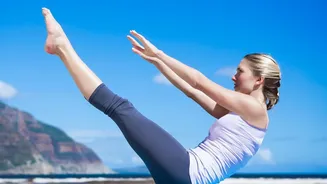
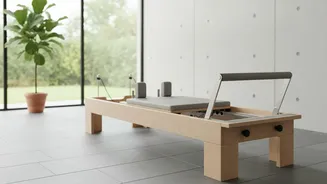
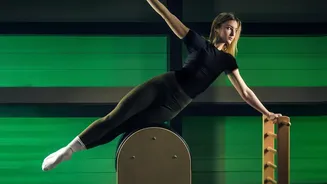
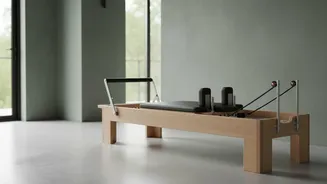
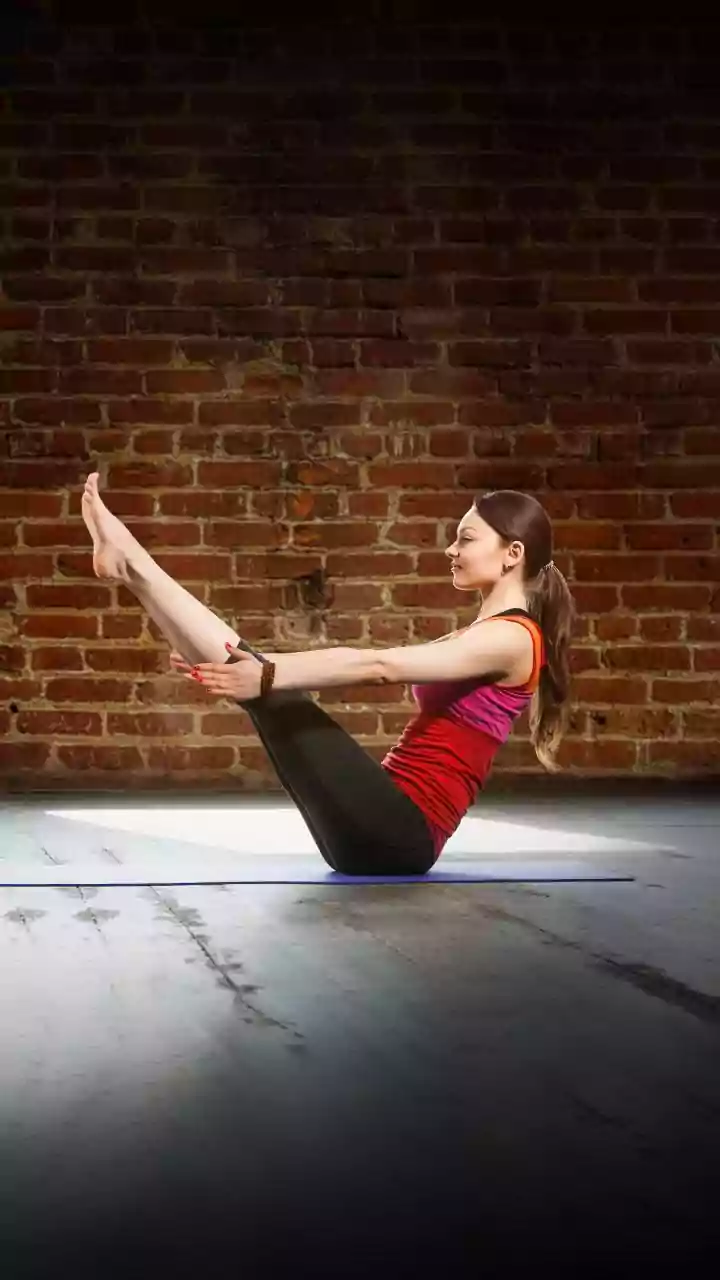
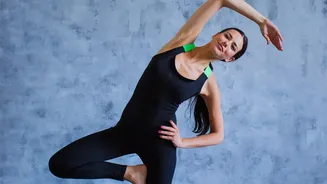
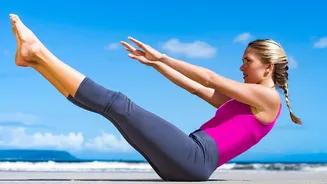
Pilates, developed by Joseph Pilates, is a low-impact exercise method that emphasizes controlled movements, precise alignment, and mindful breathing. Its primary focus is building strength from the inside out. Pilates excels at targeting the deep, stabilizing muscles of the core, like the transverse abdominis and multifidus. The exercises are performed in a slow, deliberate manner, forcing these muscles to engage and maintain stability throughout each movement. This focus on form and control helps create balanced muscle development and exceptional body awareness, which can correct posture and reduce the risk of injury.
The HIIT Approach: Power and Calorie Burn
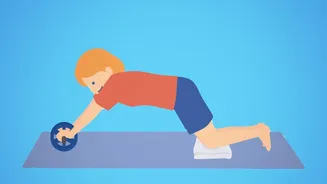
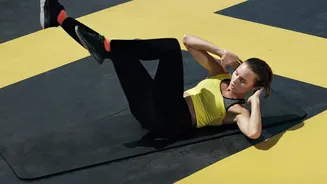
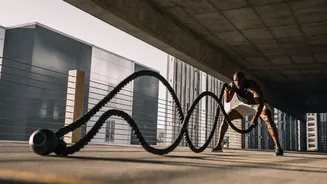
High-Intensity Interval Training (HIIT) involves short, all-out bursts of intense exercise followed by brief recovery periods. While the main goal of HIIT is often cardiovascular fitness and calorie burn, it also engages the core significantly. During explosive movements like jump lunges, burpees, or mountain climbers, the core muscles must work overtime to stabilize the spine and transfer power through the body. This type of training primarily targets the larger, more superficial 'movement' muscles, including the rectus abdominis and obliques, which contribute to a more visibly defined midsection.
Head-to-Head: Deep Core vs. Surface Muscles
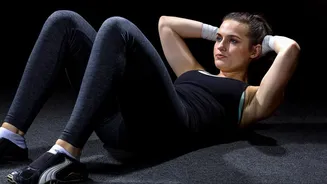
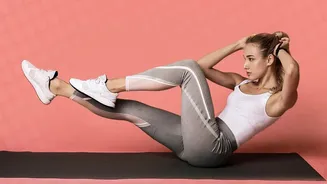
When it comes to activating the deep, foundational core muscles responsible for spinal stability, Pilates has a clear edge. Its methodology is specifically designed to isolate and strengthen these internal stabilizers. HIIT, on the other hand, is more effective at working the superficial muscles that are visible on the surface. Many HIIT ab exercises, like bicycle crunches and plank jacks, create that 'burn' in the six-pack muscles. So, for foundational, functional strength, Pilates is superior; for visible muscle development, HIIT provides a powerful stimulus.
Head-to-Head: The 'Carved Out' Look
The phrase 'carving out' implies two things: muscle definition and low body fat. This is where the comparison gets interesting. HIIT is exceptionally effective at burning calories and reducing overall body fat due to its high intensity and the 'afterburn' effect, where your metabolism remains elevated post-workout. This fat loss is essential for revealing the abdominal muscles underneath. Pilates builds lean muscle and improves posture, creating a toned, elongated appearance, but it doesn't burn calories at the same rate as HIIT. Therefore, HIIT is better for the fat-burning component of 'carving out' a core, while Pilates is excellent for toning the muscles that will be revealed.
Injury Risk and Sustainability
The high-impact, fast-paced nature of HIIT carries a higher risk of injury, especially if proper form is not maintained. The emphasis is on speed and intensity, which can sometimes lead to compromised technique. Pilates is a low-impact discipline, making it much gentler on the joints and an excellent option for injury prevention and rehabilitation. Its focus on controlled movement and alignment makes it a highly sustainable practice for people of all ages and fitness levels.