








A New Space Age Dawns
India is in the midst of a second space revolution. For nearly six decades, the Indian Space Research Organisation (ISRO) almost single-handedly carried the nation's celestial ambitions, earning global respect. Now, the landscape is dramatically changing.
A series of landmark policy reforms, culminating in the Indian Space Policy 2023, has thrown open the doors to private enterprise. This strategic shift is designed to move the country from a government-led model to an integrated public-private ecosystem, treating space as critical infrastructure for economic and strategic growth. At the heart of this transformation is the Indian National Space Promotion and Authorisation Centre (IN-SPACe), an autonomous body established in 2020. IN-SPACe acts as a single-window agency, authorising and supervising private space activities, facilitating access to ISRO's world-class facilities, and nurturing a burgeoning startup culture. The results are already staggering, with the number of Indian space startups soaring from a handful a few years ago to over 400 in 2026.
The Rocket Builders of New India
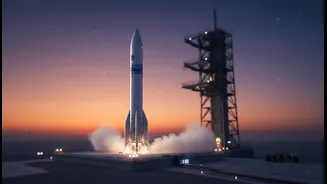
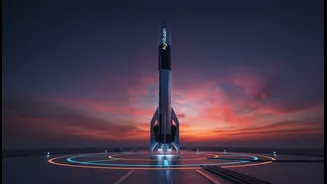
Making space accessible starts with making the journey there cheaper and more frequent. Two startups, Skyroot Aerospace and Agnikul Cosmos, are leading this charge. In a historic moment for the nation, Hyderabad-based Skyroot Aerospace successfully launched its Vikram-1 rocket in July 2026, marking India's first-ever private orbital launch. This achievement, accomplished on the company's maiden mission, places India in an elite club with the U.S. and China as nations with private orbital launch capabilities. The Vikram-1 is an all-carbon composite vehicle with 3D-printed engines, showcasing cutting-edge, cost-effective technology. Similarly, Chennai-based Agnikul Cosmos has pioneered the world's first single-piece 3D-printed rocket engine and launched its Agnibaan rocket from India's first private launchpad. These innovations by smaller, agile teams are drastically reducing manufacturing complexity and costs, paving the way for a high-frequency launch schedule for small satellites.
Satellites, Data, and Downstream Dreams
The real long-term value in the space economy lies not just in launches, but in the payloads and platforms operating in orbit. Here, too, Indian startups are making a global mark. Pixxel is deploying a constellation of the world's highest-resolution hyperspectral satellites. These 'eyes in the sky' can see things invisible to conventional satellites, capable of tracking everything from crop health and illegal mining to pollution levels and climate change indicators in unprecedented detail. Another key player, Dhruva Space, offers full-stack space engineering solutions, building satellite platforms, solar arrays, and deployment systems for a global client base. The Hyderabad-based firm was among the first to be authorised by IN-SPACe for private missions. These companies are creating a vibrant downstream market, turning satellite data into actionable intelligence for agriculture, disaster management, and urban planning.
Fueling the Commercial Flywheel
This boom is powered by a confluence of supportive policies and a surge in investment. The Indian Space Policy 2023 clearly defines the roles for ISRO, IN-SPACe, and private players, with ISRO now focusing more on advanced research and development while private entities handle end-to-end commercial operations. The government has further incentivised growth by allowing up to 100% foreign direct investment (FDI) in satellite manufacturing and creating a dedicated venture capital fund for the sector. This has instilled confidence in global investors. India's space economy, valued at around $8.4 billion in 2022, is projected to surge to $44 billion by 2033, capturing a significantly larger share of the global market. This influx of capital and a clear regulatory framework are creating a self-sustaining ecosystem where innovation can thrive.