


More Than Just a Wish
For millennia, a meteor streaking across the night sky was a sign, an omen, or simply a beautiful, fleeting moment. We see a flash of white light and perhaps feel a sense of wonder. But what if that's only the first chapter of a much more interesting
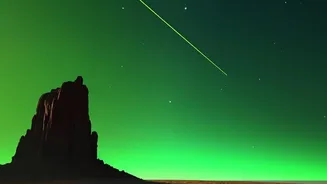
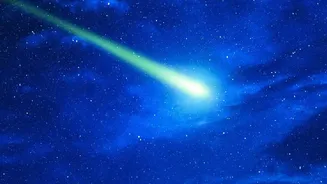
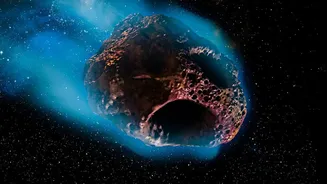
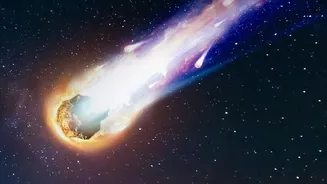
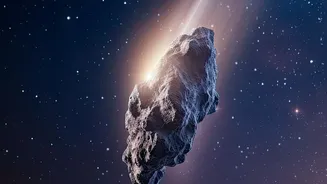
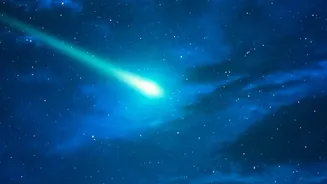
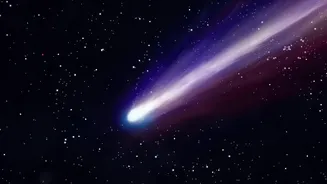
story? The central message from astronomers, amplified by stunning new imagery and analysis, is that a meteor is a dynamic event, not just a static line. The composition of the meteoroid—the tiny speck of space dust—and its interaction with our atmosphere creates a rich visual palette. A recent image highlighted by NASA on its Astronomy Picture of the Day service showed a meteor not as a simple white line, but as a multi-hued streak, showcasing the complex chemistry at play. By learning to spot these details, a casual glance upwards can transform into a fascinating act of cosmic detective work.
Decoding the Meteor's Colour Palette
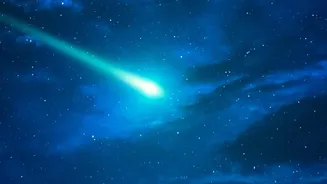
The colour of a meteor is its chemical fingerprint, revealing the elements burning up high in the atmosphere. The most common sight is a yellowish-white flash, which often indicates the presence of iron. But look closely, and you might see a whole spectrum. An orange or bright yellow glow points to sodium, a common element in meteoroids. A vibrant green is one of the most exciting colours to spot, signifying the vaporization of magnesium or nickel. If you're lucky enough to see a flash of violet or purple, you're likely witnessing the presence of calcium. Even the air itself contributes to the show. As the meteoroid heats the atmosphere, nitrogen and oxygen atoms can glow red. The speed of the meteor can also influence the dominant colour; faster meteors often show the colour of the vaporizing space dust, while slower ones may be dominated by the red glow of the atmosphere.
Bolides, Fireballs, and Lingering Trains
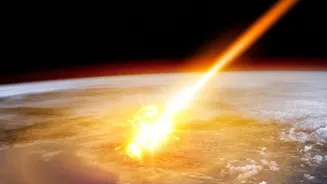
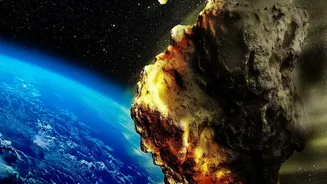
Not all meteors are created equal. Occasionally, a larger piece of debris, perhaps the size of a pebble or larger, creates an exceptionally bright meteor known as a fireball. These can be as bright or even brighter than the planet Venus. An even more dramatic event is a bolide, which is a fireball that explodes in a terminal flash, sometimes audibly. Beyond the initial flash, some bright meteors leave behind a ghostly, glowing trail called a persistent train. This is an afterglow of ionized air and vaporized material that can linger in the sky for seconds or even many minutes, twisting and contorting in upper-atmosphere winds. These trains are a fantastic reminder that a meteor's passage is a physical disturbance, leaving a temporary scar on the atmosphere that tells its own story of altitude and chemistry.
A Guide for Indian Skywatchers
August is a spectacular month for skywatching in the Northern Hemisphere, thanks to the annual Perseid meteor shower. In 2026, the peak is expected on the night of August 12-13, with the new moon ensuring perfectly dark skies for optimal viewing. Skywatchers in India could see up to 100 meteors per hour under ideal conditions. The best viewing time is typically between midnight and the pre-dawn hours. While the monsoon can present a challenge with cloud cover, clear nights offer a brilliant show. For the best experience, find a location far from city lights. Give your eyes at least 20-30 minutes to fully adapt to the darkness—put that phone away! You don't need a telescope or binoculars; your naked eyes are the best tools for taking in the entire celestial stage. For those seeking the ultimate view, the high-altitude, clear skies of Ladakh and Spiti Valley are unparalleled destinations.