




What is a Presidential Veto?
In simple terms, a presidential veto is the power of the President of the United States to refuse to approve a bill passed by Congress, thereby preventing it from becoming law. This authority is a cornerstone of the American system of 'checks and balances',
designed by the framers of the Constitution to prevent any single branch of government from becoming too powerful. As outlined in Article I, Section 7 of the U.S. Constitution, when both the House of Representatives and the Senate pass a bill, it is sent to the President. The President then has the power to sign it into law or to reject it with a veto. This power isn't just a simple 'no'; it's a fundamental tool for the executive branch to influence the legislative agenda and block measures the President deems unwise, unjust, or unconstitutional.
The Nuts and Bolts of the Veto Process
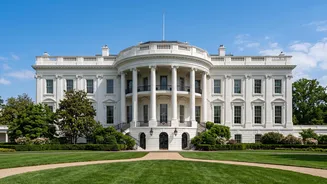
Once a bill lands on the President's desk, a 10-day clock (excluding Sundays) begins. The President has a few options. If they approve, they sign it, and it becomes law. If they disapprove, they can issue a 'regular veto' by returning the bill unsigned to the chamber of Congress where it originated, along with a written message explaining their objections. There is also a 'pocket veto'. This occurs if Congress adjourns during the 10-day period after passing a bill. If the President simply takes no action—neither signing nor vetoing—the bill automatically dies. A key difference is that a pocket veto cannot be overridden by Congress.
The Override: Congress's Ultimate Check
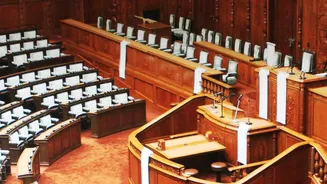
A presidential veto is powerful, but not absolute. Congress has the final say if support for the bill is overwhelming. The Constitution allows Congress to override a regular veto with a two-thirds majority vote in both the House of Representatives and the Senate. If both chambers achieve this supermajority, the bill becomes law without the President's signature. However, this is a deliberately high hurdle. Achieving a two-thirds consensus is notoriously difficult, especially in a politically polarized climate. Historically, only a small fraction of all presidential vetoes have ever been overridden—just over 4% in the nation's history, according to some analyses.
Midterms, Divided Government, and the Veto
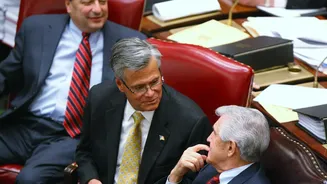
The results of the 2026 midterm elections, which have reportedly given Democrats control of both chambers of Congress, create a classic 'divided government' scenario. This is when the veto power transforms from a constitutional safeguard into a primary political weapon. When a president's party controls Congress, vetoes are rare because the legislative and executive branches are generally aligned. But with the opposition in charge, frequent clashes are expected. President Trump will likely use the veto, or even just the threat of a veto, to block the Democratic agenda and force negotiations on key policy areas like government spending, regulations, and judicial appointments. Since 1981, 98% of presidential vetoes have occurred during periods of divided government.
Trump's Veto Record and What to Expect
President Trump has shown he is not hesitant to use his veto power. During his first term, he vetoed ten bills. Congress successfully overrode only one of those vetoes, the National Defense Authorization Act in 2021. In his current term, he has issued a few vetoes on narrower bills, none of which have been overridden. Faced with a Congress controlled by the opposition, President Trump may see the veto as his 'ultimate power', as he once remarked. This sets the stage for a period of intense political bargaining, where the threat of a veto becomes a tool to extract concessions and shape legislation before it even reaches his desk. The coming months will likely see a series of highstaked confrontations between the White House and Capitol Hill.