
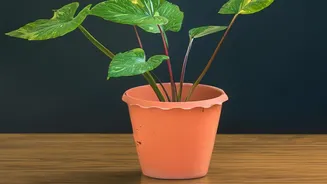
Why Rotation Can Add to the Problem
For a healthy plant, regular rotation is a great practice. It encourages even, symmetrical growth by ensuring all sides get access to a light source. But a plant showing signs of distress is already in a vulnerable state, using its limited energy to combat
an underlying issue like root rot, pests, or dehydration. When you rotate a stressed plant, you force it to expend precious energy reorienting its leaves toward the light, a process known as phototropism. This diverts resources away from where they're needed most: recovery. For a plant already struggling, this added demand can be the tipping point. The best course of action is to provide stability, not introduce another change.
First, Become a Plant Detective
Before you do anything—rotate, repot, or fertilize—stop and observe. Making multiple changes at once will only confuse your diagnosis. Your plant is giving you clues; you just need to learn how to read them. Start by checking for the most common culprits. Isolate the sick plant from your other greenery to prevent any potential spread of pests or disease while you investigate. The goal is to identify the single biggest issue and address only that. Patience is key; don't expect an immediate bounce-back.
The Number One Culprit: Water
More often than not, houseplant stress comes down to water. Both overwatering and underwatering can cause similar symptoms like yellowing and wilting leaves. The best way to tell the difference is to feel the soil and the leaves. Stick your finger one to two inches into the soil. If it's soggy and the leaves feel soft or mushy, you're likely overwatering, which can lead to root rot. If the soil is bone-dry and the leaves feel brittle or crispy at the edges, the plant is thirsty. Once you know the cause, you can adjust your watering schedule accordingly. For overwatered plants, let the soil dry out completely before watering again.
Look for Unwanted Guests
If watering doesn't seem to be the issue, it's time to inspect for pests. These tiny invaders can quickly weaken a plant. Look closely at the undersides of leaves, along the stems, and in the soil. Common houseplant pests include spider mites (which create fine webbing), mealybugs (which look like small white cottony spots), and scale insects (which appear as small brown bumps). Sticky residue on leaves or nearby surfaces is another tell-tale sign of an infestation. If you find pests, treat them immediately with options like insecticidal soap or neem oil.
Assess the Light and Environment
While rotating a stressed plant is unwise, the overall light situation could be the root cause of the stress itself. Is your plant getting too much direct sun, causing its leaves to look scorched or bleached? Or is it getting too little light, leading to pale, leggy growth as it stretches toward a window? Sudden temperature changes, like being too close to a cold drafty window or a hot radiator, can also cause stress, leading to issues like sudden leaf drop. The solution isn't to rotate the plant, but to move it to a more suitable, stable environment once you've identified the problem.