






The Two Faces of Cinnamon
The vast majority of cinnamon sold in supermarkets, especially in North America and parts of Asia, is Cassia cinnamon. It comes from the Cinnamomum cassia tree, originally native to Southern China. It's the bold, spicy, and robust flavour most of us associate
with the word "cinnamon." In India, it's commonly known as 'Dalchini'. On the other hand, Ceylon cinnamon, which comes from the Cinnamomum verum tree, is known as “true cinnamon.” It is primarily grown in Sri Lanka and has a more delicate, sweet, and nuanced flavour. While both are technically cinnamon, they are distinct species with different properties, uses, and price points.
The Health Question: It's All About Coumarin
The most significant difference from a health perspective is a compound called coumarin. While naturally present in both types, Cassia cinnamon contains substantially higher levels — up to 1%, which is around 250 times more than Ceylon cinnamon's trace amounts of 0.004%. In large or frequent doses, coumarin has been linked to potential liver issues, particularly for sensitive individuals or those with existing liver conditions. For occasional use in cooking, Cassia is generally considered safe. However, if you consume cinnamon daily for health reasons, such as in smoothies or supplements, choosing Ceylon is a much safer bet to avoid long-term risks.
Visual Clues: The Stick Test
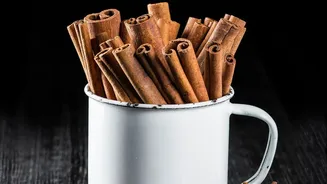
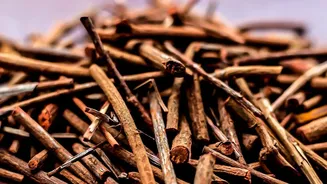
Telling the two apart is easiest when they are in their whole stick, or quill, form. Cassia sticks are what most of us picture: a thick, single layer of dark, reddish-brown bark that curls inward to form a hollow tube. They are hard and woody, making them difficult to break or grind by hand. Ceylon cinnamon sticks, in contrast, are a lighter tan-brown color. They are composed of many thin, paper-like layers rolled together, much like a cigar. These quills are brittle and can be easily crumbled. So, if your stick is hard and hollow, it's Cassia; if it's soft, layered, and fragile, it's Ceylon.
Flavour and Aroma: Sweet vs. Spicy
The flavour profiles of the two cinnamons are markedly different. Cassia delivers a strong, spicy, and pungent heat. Its boldness makes it suitable for dishes where you want the cinnamon to be a dominant flavour, like in rich curries, spiced meats, and classic cinnamon rolls. Ceylon cinnamon is much more delicate and sweet, with subtle citrus and floral notes. Its refined flavour is perfect for desserts like custards and puddings, or for beverages where you want a hint of warmth without overwhelming other ingredients. If you find regular cinnamon a bit harsh or bitter, you might prefer the gentle sweetness of Ceylon.
Reading the Label and Price Point
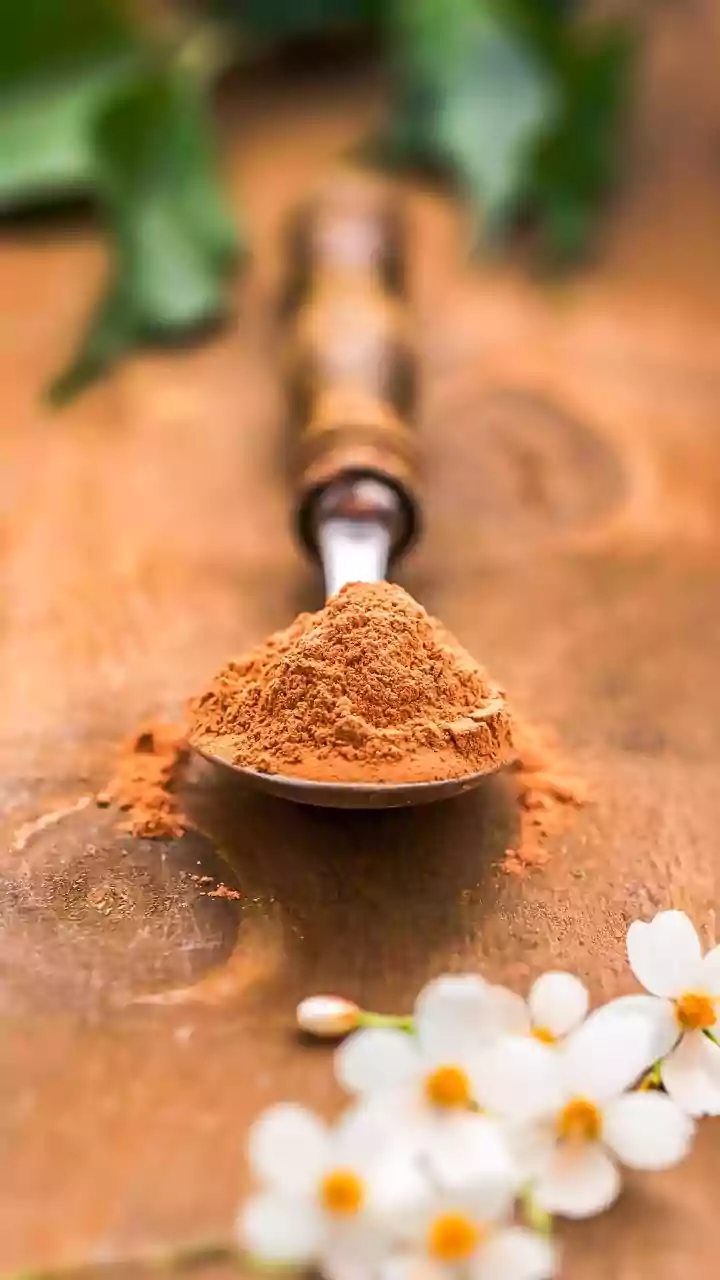
When you're at the shop, the label is your best guide. Most generic ground "cinnamon" is Cassia. To get true cinnamon, look for packaging that explicitly states "Ceylon cinnamon" or its scientific name, Cinnamomum verum. Since Ceylon is rarer and more labour-intensive to harvest, it comes with a higher price tag. Cassia is widely cultivated and easier to produce, making it the more affordable and common option found in most grocery stores. If a price seems too good to be true for something claiming to be Ceylon, it's worth a second look at the label. For ground versions where visual cues aren't possible, trusting the label and a reputable brand is key.