




The Pinch on Your Plate
It’s not just a feeling; your grocery bill is indeed getting heavier. Recent data shows a significant jump in food inflation, with vegetables leading the charge. Items like onions, garlic, tomatoes, and lemons have seen sharp price increases due to factors
like uneven monsoon rains and supply disruptions. Reports from October 2026 indicate that food inflation is expected to remain firm, with vegetable inflation jumping significantly. Prices for essential pulses like tur and grains such as wheat have also climbed, adding another layer of pressure on the common household's monthly budget. This trend means families are spending more but getting less, forcing a much-needed re-evaluation of kitchen spending.
Plan Your Meals, Plan Your Savings
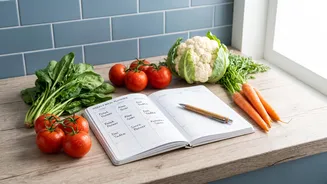
One of the most effective ways to combat rising costs is to plan your weekly meals before you shop. A simple plan prevents impulse buys, which are often processed, unhealthy, and expensive. Before heading out, take a quick inventory of your pantry and fridge. This small step helps you avoid buying things you already have and reduces food waste. Build your meal plan around seasonal produce, which is not only fresher and more nutritious but also significantly cheaper. When you have a clear list of what you need for the week's breakfasts, lunches, and dinners, you're less likely to be swayed by tempting but unnecessary items at the store.
Mastering the Art of Smart Swaps
A flexible grocery list can be your best friend. If tomatoes are expensive, consider using tomato puree or switching to recipes that don't rely on it as a primary base. When certain vegetables are out of season and costly, embrace local and seasonal alternatives that offer similar nutrients at a lower price. For instance, winter is great for carrots and leafy greens, while the monsoon brings a variety of gourds. You can also stretch expensive ingredients like meat by adding more vegetables or lentils to dishes like curries and kheema. This not only cuts costs but also boosts the meal's fibre content and nutritional value. Similarly, choosing store brands over premium brands for staples like salt, sugar, and flour can lead to significant savings without a noticeable difference in quality.
Where You Shop Matters
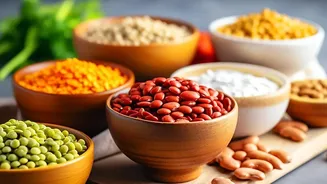
Convenience often comes at a cost. While supermarkets and quick-commerce apps are easy, your local sabzi mandi or weekly market is usually the most budget-friendly place for fresh produce. Prices there are often lower because they cut out several layers of middlemen. For non-perishable staples like rice, dals, atta, and cooking oils, buying in bulk can offer considerable savings. A 5kg bag of dal is almost always cheaper per kilogram than buying 1kg five times. If a large pack is too much for your family, consider splitting the cost and quantity with a neighbour or friend.
Waste Not, Want Not
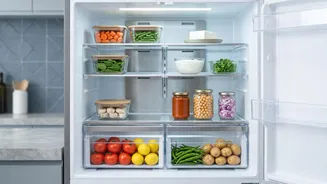
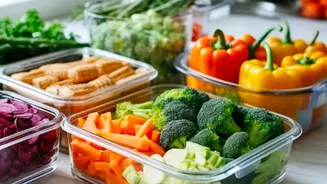
An estimated 40-50 kg of food is wasted per person in Indian households annually. Reducing this waste is like finding extra money in your budget. Get creative with leftovers by transforming them into new meals; for example, leftover dal can become the base for parathas, and cooked sabzi can be used as a sandwich filling. Use all parts of your vegetables—broccoli and cauliflower stems can be used in stir-fries or soups, and vegetable peels can be used to make a flavourful stock. Cooking in larger batches and freezing portions for later also helps, as it saves time and reduces the temptation to order expensive takeout on busy nights.