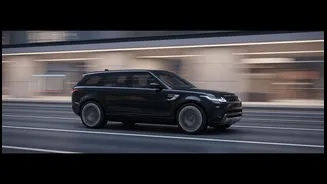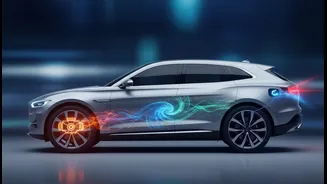




The Foundation of Modern Luxury
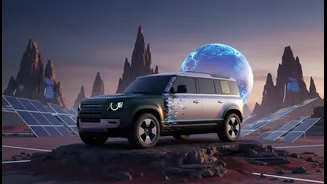
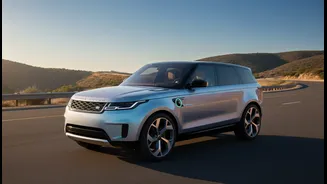
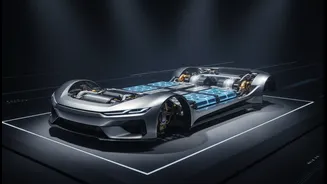
At its heart, the MLA-Flex platform is the advanced skeleton underpinning Jaguar Land Rover's flagship vehicles, including the fifth-generation Range Rover and the third-generation Range Rover Sport. Introduced in 2021, this platform was conceived from
day one with a crucial goal: flexibility. It uses a sophisticated mix of materials, primarily aluminum and high-strength steel, to create a body structure that is up to 50% stiffer than previous designs. This immense rigidity serves multiple purposes. It provides a solid base for the suspension to work effectively, which translates to a smoother, more controlled ride. It also dramatically reduces the amount of noise and vibration that enters the cabin, making for an exceptionally quiet and refined passenger experience.
An Architecture for Every Future
The true genius of the MLA platform is its ability to accommodate vastly different powertrains within the same basic structure. This wasn't an afterthought; the platform was engineered from its inception to house a traditional petrol engine with a mild-hybrid system, a larger battery pack for a plug-in hybrid (PHEV), or a full battery-electric vehicle (BEV) setup. For the petrol and mild-hybrid versions, it supports a classic longitudinal engine layout for Land Rover's signature all-wheel-drive capability. For the PHEV models, a substantial 38.2 kWh battery is neatly integrated under the cabin floor, preserving interior space and maintaining a low center of gravity for better handling. For the upcoming all-electric models, that same underfloor space is designed to hold a large, double-stacked battery pack, ensuring the EV versions don't compromise on cabin room or off-road geometry.
A Strategic Masterstroke for Business
For Jaguar Land Rover, the MLA platform is a powerful business tool. By using a single, flexible architecture for its most important models, the company can build petrol, hybrid, and electric variants on the same production line. This drastically improves manufacturing efficiency and reduces the immense cost and complexity typically associated with developing separate platforms for electric and combustion vehicles. It also gives the company the agility to adapt to shifting market demands. If customer preference swings heavily toward EVs, they can increase production without having to retool entire factories. This future-proofs their manufacturing investment and de-risks the expensive transition to electrification.
No Compromises for the Customer
The primary benefit for a Range Rover buyer is the promise of a vehicle without compromise, regardless of what's under the bonnet. Whether a customer chooses a mild-hybrid V8, an efficient plug-in hybrid, or the forthcoming all-electric model, they are getting a vehicle with the same iconic design, luxurious interior, and formidable off-road capability the brand is famous for. The platform's inherent stiffness and advanced design ensure that all versions benefit from superior refinement and ride comfort. The forthcoming electric Range Rover, for example, has been engineered to be a true Range Rover first and an EV second, undergoing the same rigorous testing and validation as its combustion-engined siblings. This ensures the whisper-quiet performance of an EV is paired with the go-anywhere ruggedness that defines the badge.
The All-Electric Horizon
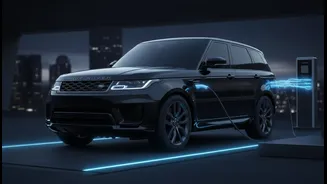
The culmination of the MLA platform's promise will be the fully electric Range Rover and Range Rover Sport. These vehicles will leverage an advanced 800-volt electrical architecture, allowing for ultra-rapid DC charging speeds of up to 350kW. The powertrain will feature dual electric motors—one on each axle—to provide sophisticated all-wheel drive and impressive performance, with some variants expected to produce over 540 horsepower. The battery pack, developed in-house, is a substantial 118 kWh unit designed to deliver a competitive driving range without infringing on the vehicle's luxury or practicality. By designing the MLA platform for this eventuality from the start, Land Rover has ensured that its first EVs won't be a compromised adaptation, but a seamless and powerful extension of its brand identity.