





The High-Speed Vision
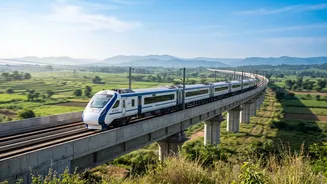
The Delhi-Varanasi High-Speed Rail (DVHSR) corridor is one of the most significant infrastructure projects planned for North India. Managed by the National High Speed Rail Corporation Limited (NHSRCL), the project aims to create an 865-kilometre bullet
train line connecting the capital with one of its most sacred cities. With proposed operational speeds of 320 km/h, the journey time is projected to be just three hours and 50 minutes. The project, which was highlighted in the Union Budget 2026-27, is currently in the pre-construction phase. This involves finalising the Detailed Project Report (DPR), conducting aerial LiDAR surveys for precise alignment, and preparing for land acquisition. While construction hasn't started, the vision is clear: to create a transport backbone that could redefine travel in the Hindi heartland.
A New Era for Pilgrims and Tourists
The most immediate impact of such a drastic reduction in travel time would be on the nature of tourism itself. A ten-hour journey requires significant planning, often precluding short or spontaneous trips. A sub-four-hour journey, however, transforms Varanasi into a viable weekend destination for millions in the National Capital Region. This could attract a new demographic of travellers, including working professionals and families looking for quick getaways. For pilgrims, it means less time spent in transit and more time for spiritual activities. The corridor is expected to make travel significantly easier for both domestic and international tourists visiting landmarks like the Kashi Vishwanath Temple. This accessibility is predicted to cause a surge in tourism, encouraging shorter, more frequent trips.
Connecting India's Spiritual Heartland
The project's impact extends far beyond just two cities. The proposed route includes 12 stations, connecting key economic and religious centres like Mathura, Agra, Prayagraj, and Lucknow. Furthermore, a proposed 135-km spur line will link Lucknow to Ayodhya, creating a high-speed circuit for religious tourism. This network would make it incredibly efficient for tourists to visit multiple major destinations—the Taj Mahal in Agra, the Sangam in Prayagraj, the Ram Temple in Ayodhya, and the ghats of Varanasi—all within a single, seamless travel plan. This integration could unlock the tourism potential of the entire Purvanchal region, creating a powerful economic corridor built on cultural and spiritual heritage.
The Economic Ripple Effect
A massive influx of tourists would create a significant economic ripple effect. Hotels, guesthouses, restaurants, tour guides, and local artisans would all stand to benefit from increased footfall. Analysts predict that the improved accessibility will stimulate investments in hospitality, retail, and real estate, particularly around the new station hubs. By making Varanasi more accessible to business travellers and investors, the corridor could also spur commercial activity beyond tourism. This economic boost is a core objective of the project, which the government describes as a 'growth connector' designed to support regional development.
The Challenge of Overtourism
While the economic prospects are bright, there is a significant challenge to consider: overtourism. Varanasi is one of the world's oldest continuously inhabited cities, and its ancient infrastructure is already under immense pressure. The city welcomes over 15 crore tourists and pilgrims annually, leading to severe congestion and strain on public services. A sudden, massive increase in visitor numbers could exacerbate these issues, potentially damaging the city's unique heritage and reducing the quality of life for residents. Balancing the modernization required to accommodate more tourists with the preservation of Varanasi's historic and spiritual soul will be the most critical task for urban planners. Sustainable development strategies, including better traffic management and decentralising tourist flows, will be essential to ensure the bullet train is a blessing, not a burden.