






The Clock-Watching Cook's Secret
It sounds counterintuitive, but it's true: that bag of frozen peas, corn, or green beans can often be ready to eat faster than if you had started with them fresh from the produce section. This isn't just a kitchen myth; it's a result of the industrial
process that prepares vegetables for their long, cold sleep. Frozen vegetables are partially cooked, so they require less time on the stove or in the oven. For busy weeknight meals, this can be a game-changer, shaving valuable minutes off your prep and cook time.
It All Comes Down to Blanching
The main reason for this speed advantage is a process called blanching. Before vegetables are flash-frozen, they are briefly scalded in boiling water or steam for a specific amount of time, then rapidly cooled in ice water to stop the cooking. This crucial step is designed to deactivate enzymes that would otherwise cause the vegetables to lose their color, flavor, and texture over time in the freezer. Essentially, blanching is a form of pre-cooking. It has already started the process of breaking down the vegetable's tough cellular structure, giving you a head start when you get them home and into your pan.
Which Vegetables Win the Race?
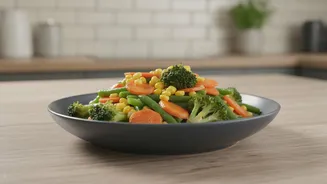
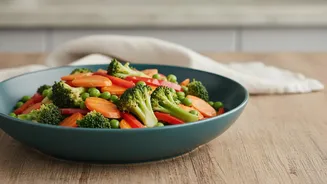
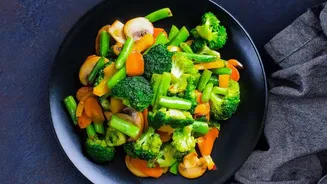
This time-saving trick works best with certain types of vegetables. Smaller items or those with a higher water content, like peas, corn, spinach, and cut green beans, cook very quickly from frozen, often in just a few minutes. For vegetables like broccoli or cauliflower florets, the cooking time can often be cut in half compared to their fresh versions. However, the rule isn't universal. Dense, starchy root vegetables like whole carrots or potatoes will still require a significant amount of cooking time, whether fresh or frozen, to become tender.
But Are They Still Healthy?
A common concern is that this processing might strip the vegetables of their nutrients. However, extensive research shows that frozen vegetables are nutritionally on par with fresh ones, and in some cases, even superior. Vegetables destined for the freezer are typically picked at their peak ripeness, when their nutrient levels are at their highest. The blanching and flash-freezing process that follows happens within hours, locking in vitamins and minerals. Fresh produce, on the other hand, can lose nutrients during its long journey from the farm to the supermarket and while it sits in your refrigerator. For example, some studies have found that frozen peas and spinach can contain more vitamin C than fresh versions that have been stored for several days.
Making the Most of Your Freezer Aisle
To get the best results, it's almost always better to cook vegetables directly from frozen. Thawing them first can cause ice crystals to melt, leading to excess moisture that makes the final dish soggy and limp. When adding frozen vegetables to soups, stews, or stir-fries, stir them in during the last few minutes of cooking to prevent them from turning to mush. For a crispier texture, try roasting or air frying them straight from the bag at a high temperature. And remember, because they are considered "ready-to-cook," not "ready-to-eat," you should always follow cooking instructions to ensure food safety, as freezing doesn't kill all bacteria.