
The Art of the Bean
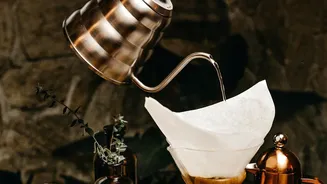
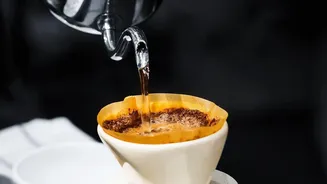
On one side, you have the coffee connoisseur, often playfully labelled a 'snob'. For them, coffee is an artisanal craft, much like fine wine. They speak of 'terroir', 'tasting notes' of fruit or chocolate, and 'processing methods'. Their kitchen might
feature a gooseneck kettle, a digital scale, and a manual grinder. This isn't just about caffeine; it's a pursuit of flavour and quality. They seek out specialty-grade beans, which are scored for their excellence and lack of defects. This world is driven by a passion for the bean's journey from a specific farm—often in regions like Chikmagalur or Coorg—to their cup, valuing transparency and unique characteristics above all else.
In Defence of the Simple Brew
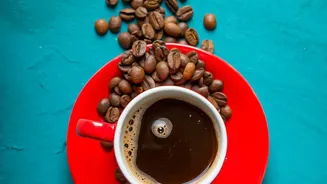
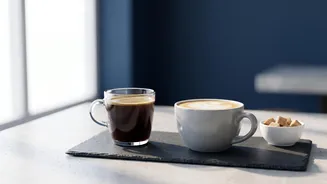
On the other side stands the casual drinker. For this group, coffee is about comfort, ritual, and convenience. A morning might start with a spoonful of instant coffee or a brew from an automatic drip machine. The priorities here are different: speed, consistency, and reliability. It's less about the origin story of the bean and more about the dependable pick-me-up that kick-starts the day or provides a warm break in the afternoon. This approach doesn't lack appreciation; it simply places value on function and familiarity. In a busy life, the straightforward, no-fuss nature of a commercial blend or an instant mix is its own form of perfection.
A Tale of Three Waves
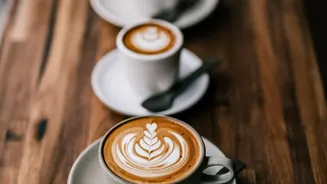
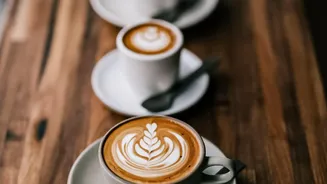
This divide wasn't born overnight. It’s the result of what industry insiders call the 'three waves' of coffee. The 'first wave' was about making coffee a mass-market commodity—think instant coffee from brands like Nescafé and Bru becoming household staples in India. The 'second wave', heralded by café chains, turned coffee into a social experience with espresso-based drinks and branded spaces. We are now firmly in the 'third wave'. This movement reframes coffee as a craft product, focusing on high-quality, single-origin beans and brewing methods that highlight their unique flavours. It’s this third wave that has given rise to the modern connoisseur and widened the gap with first-wave convenience.
A Statement in a Mug
Ultimately, the choice of coffee has become a form of identity expression. Ordering a complex, single-origin brew can signal that you have 'cultural capital'—a knowledge and appreciation for niche, high-quality goods. It shows you're discerning and perhaps well-travelled. Conversely, sticking to a simple, traditional cup can signal a down-to-earth, practical mindset that values function over fuss. Neither is inherently better, but our choices can reflect how we see ourselves and the world. This isn't just about a beverage anymore; it's about belonging to a tribe, whether that's the 'survival-mode' instant coffee club or the artisanal 'pour-over' society.