







Welcome to the Era of 'Gig-Tripping'
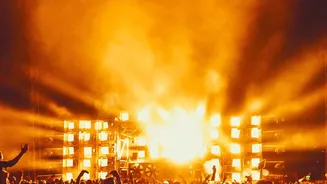
It has a name: 'gig-tripping'. This is the growing phenomenon where travellers plan entire domestic or international trips around seeing a live music performance. It’s a deliberate shift in mindset. Instead of hoping their favourite artist announces a date
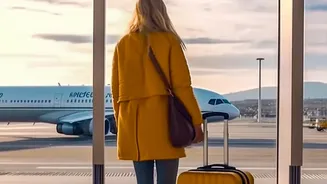
in their hometown, fans are now asking, 'Where is the artist playing, and how can I turn it into a holiday?'. This isn't just about die-hard fans following a band on tour; it's a mainstream behaviour. Data shows that a significant number of travellers, particularly younger ones, are willing to fly to another city or even another country for a single show. They might do it to secure cheaper tickets, get around a sold-out local show, or simply combine their love for music with their desire to explore a new place. The concert is the anchor, but the trip becomes a much larger cultural experience.
Why Experiences Trump Souvenirs
This trend is powered by a fundamental change in consumer values, especially among Gen Z and Millennials. Studies consistently show that younger generations prioritise spending money on experiences over material possessions. A concert or festival offers a unique, shareable moment that can’t be replicated. In a world saturated with digital content, the authenticity of a live performance creates a powerful draw. It’s a chance to feel part of a community and create a memory that lasts longer than a physical souvenir. This desire for 'experience-led' living means that a trip to see a concert is seen as a valuable investment in personal happiness and social currency. For many, an international concert trip checks two boxes at once: seeing a beloved artist and having a travel story to tell.
The Economic Boom for Host Cities
When tens of thousands of fans descend on a city for a concert, they bring more than just their enthusiasm. The economic ripple effect is enormous. Hotels see booking surges, restaurants are packed, and local transport is in high demand. Mega-tours by artists like Taylor Swift and Beyoncé have demonstrated this power, with some estimates showing huge increases in travel demand and hotel spending for every stop on a tour. This isn't just limited to the world's biggest superstars. Major festivals like Coachella, Lollapalooza, and Glastonbury have become powerful tourism brands in their own right, generating hundreds of millions of dollars for their host regions. Cities are now beginning to see their events calendar not just as cultural programming, but as a critical piece of economic infrastructure that drives tourism.
A Growing Trend in India
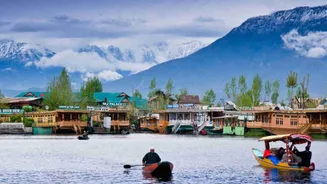
This isn’t just a Western phenomenon; music tourism is rapidly gaining momentum in India. Research indicates that a majority of Indian Gen Z travellers plan to take trips specifically for concerts and festivals. For many, it's a gateway to discovering a new part of the country for the first time. A report from Zostel noted a significant year-on-year rise in music-led trips, with Northeast India emerging as a major hub thanks to events like the Ziro Festival of Music and the Shillong Cherry Blossom Festival. Young Indians are willing to dedicate a substantial portion of their income to these experience-led trips, often spending an average of ₹51,000. As more international artists add Indian cities to their world tours and unique domestic festivals grow, the trend is set to accelerate, boosting local economies.
The Future of Music Travel in 2027
Looking ahead to 2027, the 'Sound Bound' trend, as some analysts call it, is expected to evolve further. While massive stadium tours will remain a major draw, a growing number of travellers may seek out more intimate and unique musical settings. Think warehouse concerts, underground clubs, or festivals in unusual locations like caves or forests. This reflects a desire for even more authentic and less mainstream experiences. However, the boom in gig-tripping isn't without challenges. Concerns around sustainability and the carbon footprint of flying for a single event are valid, prompting calls for more conscious travel choices, like opting for trains. The rising cost of tickets and travel could also become a barrier. Despite these hurdles, the core driver remains strong: the search for connection and unforgettable live experiences will continue to shape where and why people travel.