






Pakistan is bracing for a difficult winter crop season, with its water authority forecasting a major water shortage. This scarcity not only threatens the country's food security but is also entangled in the complex geopolitics of the Indus Waters Treaty
with India.
A 22% Shortfall
The Indus River System Authority (IRSA), Pakistan's federal water regulator, has announced a projected 22% water shortage for the crucial Rabi season, which runs from October 2026 to March 2027. The two major agricultural provinces, Punjab and Sindh, are expected to bear the brunt of these cuts. According to IRSA's advisory committee, the total water availability is estimated to be just over 29 million acre-feet (MAF), based on anticipated river inflows of around 21 MAF. This projection follows a disappointing Kharif (summer) season, where water inflows were significantly below average and last year's levels, leaving reservoir storage lower than expected.
Why the Rabi Season is Critical
The Rabi season is vital for Pakistan's agriculture and national food security. The primary crop sown during this period is wheat, the country's main staple food. A significant reduction in irrigation water could force farmers to reduce the area under cultivation, rely on more expensive groundwater, or face lower crop yields. This poses a direct threat to the wheat harvest. Last year, despite having no water shortage, Pakistan's wheat production fell short of its target by over two million tonnes, necessitating imports. A water crisis this year could exacerbate the situation, potentially leading to higher food inflation, which is already a serious concern for consumers.
The 'Treaty on Hold' Explained
The headline's reference to the treaty being 'on hold' points to the ongoing dispute over the 1960 Indus Waters Treaty (IWT). In April 2025, India placed the treaty in 'abeyance' following a terror attack in Jammu and Kashmir, arguing that friendly relations, a premise of the treaty, cannot be maintained while facing cross-border terrorism. This does not mean India has stopped the flow of water, but it has suspended certain treaty obligations like routine data sharing. Pakistan has rejected this unilateral move, and the matter has been taken to international forums. A Court of Arbitration recently ruled that the treaty remains in force, but India has rejected the tribunal's jurisdiction, creating a diplomatic and legal stalemate. This uncertainty adds a layer of tension to regional water management.
More Than Just a Treaty Issue
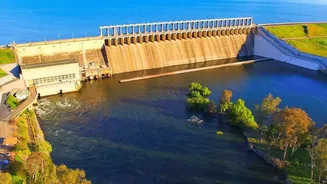
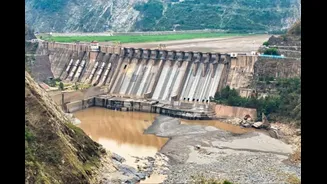
While the treaty dispute dominates headlines, IRSA officials and reports point to several domestic factors contributing to the current water crisis. Lower-than-expected rainfall and snowmelt have reduced river flows. A key issue highlighted by Pakistan's own water regulator is inadequate storage capacity. Specifically, water storage in the major Tarbela and Mangla dams was significantly lower than anticipated at the end of September. Furthermore, indefinite delays in completing key infrastructure projects, such as the Tarbela 4th and 5th Extension hydropower projects, have prevented the storage of several million acre-feet of water, directly aggravating the shortages.
The Impact on the Ground
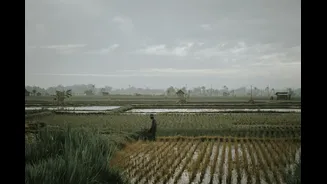
For the farmers of Punjab and Sindh, this 22% shortage is a direct threat to their livelihoods. It means carefully rationing a resource that is the lifeblood of their crops. The shortage will be distributed between the two provinces, as Balochistan and Khyber Pakhtunkhwa are exempt from the cuts under the existing water-sharing agreement. This unequal distribution can also fuel inter-provincial tensions. For the country as a whole, a poor wheat harvest could mean spending precious foreign exchange reserves on grain imports to ensure an adequate supply for its population, putting further strain on an already fragile economy.