




An Expanded Economic Powerhouse?
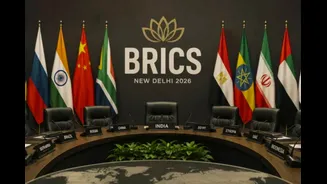
What started as an acronym for four emerging markets has evolved into an eleven-member bloc, including Brazil, Russia, India, China, South Africa, Egypt, Ethiopia, Iran, Indonesia, Saudi Arabia, and the UAE. Together, these nations account for nearly
half the world's population and about 39% of global GDP on a purchasing power parity basis, surpassing the G7. This expansion brings together major energy producers, manufacturing hubs, and large consumer markets, creating a formidable economic grouping on paper. The key question, however, is whether this collective size translates into integrated economic strength. The main challenge for BRICS is to build the economic connections that its immense scale suggests should already exist.
The Reality of Intra-BRICS Trade
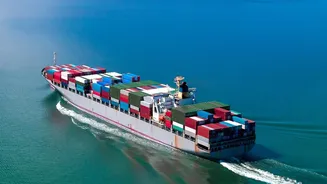
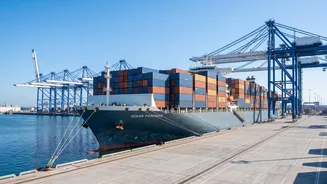
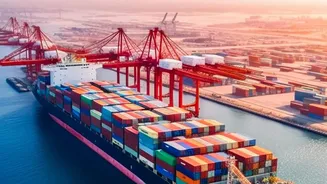
Intra-BRICS trade has seen remarkable growth, surging from $84 billion in 2003 to approximately $1.17 trillion in 2024. This represents a more than thirteen-fold increase, far outpacing the growth of global trade overall. However, this figure still only accounts for about 5% of total world trade, suggesting that the bloc's internal trade integration has significant room to grow. A 2026 UNCTAD study highlights that China remains the dominant player, serving as the largest exporter and importer within the group. For some members like Brazil and South Africa, intra-bloc trade has become concentrated in primary products, while others like India and Russia are heavily reliant on BRICS partners for imports. Under its 2026 chairship, India has been pushing for more balanced trade and the development of resilient global value chains to address these dependencies.
The Push for Local Currencies
One of the most talked-about BRICS initiatives is the move away from the US dollar. Rather than creating a single common currency—a move India currently opposes—the focus is on increasing the use of national currencies for trade settlements. This effort has gained momentum, particularly after geopolitical tensions and Western sanctions on Russia highlighted the risks of over-reliance on the dollar. According to one report, over 67% of trade among BRICS nations was conducted in national currencies in 2025. The goal is practical: to reduce exchange-rate risks and transaction costs. India, for instance, is promoting the international use of the rupee and is expected to propose a cross-border digital payment system to streamline transactions between member states.
New Development Bank: A Budding Alternative?
The New Development Bank (NDB), headquartered in Shanghai, is arguably BRICS's most concrete achievement. Established in 2015, the NDB aims to fund infrastructure and sustainable development projects in member nations and other emerging economies, offering an alternative to institutions like the World Bank and IMF. As of late 2025, the bank had approved nearly $43 billion for over 130 projects in areas like clean energy, transport, and water sanitation. A key feature of the NDB is its increasing focus on lending in local currencies, which helps borrowers avoid foreign exchange risks. The bank's president, Dilma Rousseff, stated that the share of local currency lending is set to rise to 30% in 2026, with 40% of its total financing dedicated to sustainable projects.
The Bottom Line: Promise Tempered by Politics
So, what is the bottom line in 2026? The BRICS bloc is undeniably a significant force reshaping global economics, providing a platform for the Global South. Its economic weight is growing, intra-bloc trade is expanding rapidly, and initiatives like the NDB and local currency payments are making tangible progress. However, deep integration remains a challenge. The bloc is politically diverse, with members who are also close partners of the West. Internal rivalries, like that between India and China, and differing economic structures limit the potential for a fully integrated economic union. India's 2026 chairmanship has emphasized practical, consensus-based cooperation on everything from MSME support to digital agriculture, focusing on building resilient systems rather than directly challenging the existing global order.