





So, What Is Appam?
Appam is a beloved pancake originating from the southern tip of India, especially popular in Kerala and Tamil Nadu, as well as Sri Lanka. Unlike the flat, uniform pancakes common elsewhere, appam is uniquely bowl-shaped, a result of being cooked in a special curved
pan called an appachatti. It's made from a simple batter of fermented rice and coconut milk. This batter is swirled around the pan, creating incredibly thin, crisp edges that contrast beautifully with a thick, spongy centre. The texture is a journey in every bite—from a satisfying crunch to a melt-in-your-mouth softness.
The Magic of Fermentation
The secret to appam's distinctive character lies in fermentation. Traditionally, the batter was left to ferment using toddy, a local palm wine, which imparted a signature slightly sour tang. Today, yeast is more commonly used, but the goal remains the same: to create a light, airy batter that puffs up when cooked. This process is what gives the centre its delightful, sponge-like texture, full of tiny air bubbles. It’s a completely different experience from a dense, flour-based pancake; appam is lighter, more complex, and has a subtle savoury-sweetness from the fermented rice and coconut.
The Perfect Pairings: Sweet or Savoury
One of the greatest joys of eating appam is its versatility. It serves as the perfect vehicle for a wide array of accompaniments. For a classic savoury breakfast, it's often paired with hearty stews and curries. Popular choices include 'ishtu', a gentle vegetable stew made with coconut milk, or kadala curry, a flavourful black chickpea curry. Egg roast is another common and delicious partner. If you have a sweet tooth, appam is equally delightful drizzled with sweetened coconut milk, often lightly spiced with cardamom, and a sprinkle of sugar. Tearing off a piece of the crispy edge and dipping it into a rich curry or sweet milk is a quintessential South Indian pleasure.
More Than Just a Morning Meal
While the headline calls it a breakfast food, appam is frequently enjoyed for dinner as well. Its history is rich, with mentions in ancient Tamil Sangam literature, indicating it was sold in the markets of Madurai centuries ago. Today, it holds cultural significance, particularly for communities like the Syrian Christians of Kerala, who often prepare it for special occasions. Beyond homes and restaurants, appam is a prominent street food, especially in Sri Lanka, where it's known as a 'hopper'. Vendors, sometimes called 'hopper men', expertly swirl and cook them to order, serving them hot and fresh.
An Entire Family of Pancakes
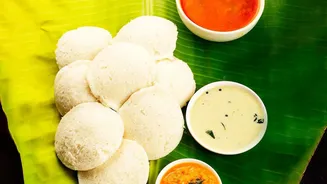
The world of appam extends beyond the classic bowl-shaped version. The term encompasses a family of related dishes. Idiyappam, or string hoppers, are made from rice flour pressed into noodle-like strands and then steamed. Vattayappam is a steamed, fluffy rice cake that is soft and sweet. There's also neyyappam, a sweet, deep-fried treat made with jaggery and ghee that is often offered in temples. Each variation showcases the versatility of rice and coconut, the foundational ingredients of South Indian cuisine, but the classic, lacy appam remains the most iconic introduction.