





An Unprecedented Surge from Nepal
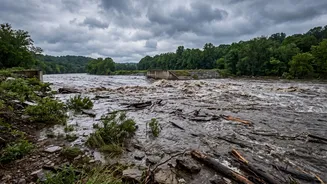
On August 26, a catastrophic event, believed to be a glacial lake outburst or an ice-rock avalanche, unleashed a devastating flash flood in Nepal's Himalayan region. This disaster in the Bhote Koshi and Trishuli river systems caused a sudden, massive
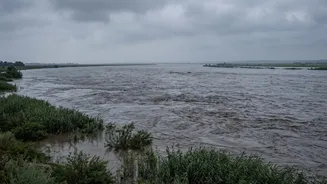
surge of water, sediment, and debris, leading to significant loss of life and destruction of infrastructure in Nepal. The flood wave traveled with immense force, leading to a rapid rise in river levels, which has now become a major concern for downstream areas in India.
The Gandak River on High Alert
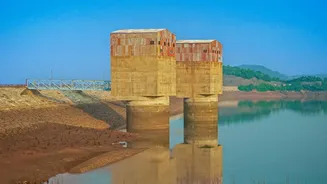
The primary concern for India is the Gandak river, which is fed by Nepal's Narayani and Trishuli river systems. In response to the incoming floodwaters, authorities in Bihar took immediate precautionary measures. All 36 gates of the Gandak Barrage at Valmikinagar in West Champaran were opened to manage the immense pressure and regulate the flow. At its peak on Wednesday night, the discharge from the barrage reached approximately 1.50 lakh cusecs, prompting round-the-clock vigilance. Though the immediate surge has shown signs of receding, officials remain on high alert due to ongoing rainfall in Nepal's catchment areas.
Bihar and Uttar Pradesh on Edge
The governments of Bihar and Uttar Pradesh have placed several districts bordering Nepal on high alert. In Bihar, districts including West Champaran, East Champaran, Gopalganj, Muzaffarpur, Saran, and Vaishali are being closely monitored. Similarly, in Uttar Pradesh, the administrations in Maharajganj and Kushinagar have stepped up vigilance, monitoring the Gandak and other water bodies. Precautionary measures have been activated, with disaster response teams from the NDRF and SDRF deployed in vulnerable areas. Evacuations have already taken place in some low-lying areas, with around 5,000 families moved to safer locations in Bihar as a preventive step.
A Coordinated Official Response
The situation is being monitored at the highest levels, with the Union Home Minister reviewing preparedness with the chief ministers of both affected states. The Central Water Commission (CWC) is providing continuous updates on water levels and flow forecasts. While the National Disaster Response Force (NDRF) has stated that there has been no major adverse impact on the Indian side so far, 20 teams remain deployed across Bihar and Uttar Pradesh as a precautionary measure. Officials are continuously inspecting embankments and have relief measures, including boats and community kitchens, ready in case the situation escalates.
A Recurring Cross-Border Challenge
This event highlights the perennial challenge of managing transboundary rivers that flow from the Himalayas into India's northern plains. Several major rivers, including the Gandak, Koshi, and Ghaghara, originate in Nepal and are prone to flooding during the monsoon season. India and Nepal have several existing mechanisms for cooperation on flood forecasting and water management. However, the scale and suddenness of events like this glacial outburst underscore the increasing risks posed by climate change in the fragile Himalayan ecosystem and the critical need for enhanced, real-time, cross-border disaster management strategies to protect vulnerable downstream communities.