









The Director’s New Epic
Fresh off the monumental success of Oppenheimer, Christopher Nolan is venturing into the world of Greek mythology with The Odyssey, an adaptation of Homer's epic poem. Starring Matt Damon as the hero Odysseus on his long journey home after the Trojan
War, the film is being touted as a staggering cinematic experience. Nolan himself has stated that the success of his previous film gave him the opportunity to tackle a project of this scale, something he considers a chance to show audiences an experience they haven't had before. The film, which also stars Zendaya, Anne Hathaway, and Tom Holland, represents a significant shift for the director into a sword-and-sandals epic. As usual, Nolan’s ambition isn't just in the storytelling, but in the technology used to capture it.
What Is This ‘Ultra-Rare’ Format?
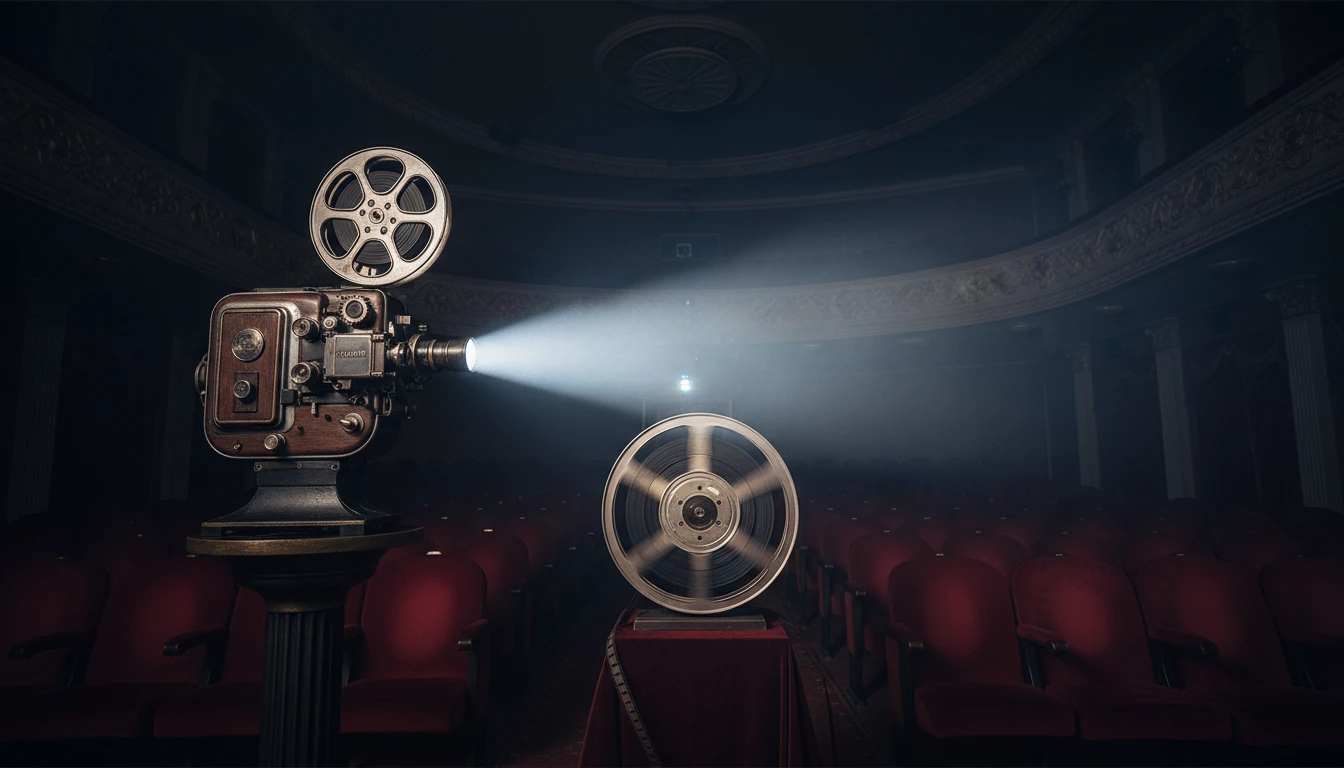
The format in question is IMAX 15-perf/70mm film, often called the “1570” format. Think of it as the gold standard of cinema. The film reel itself is massive; each frame is about ten times larger than a standard 35mm film frame, capturing an astonishing amount of detail and clarity. When projected, it creates an image with a unique 1.43:1 aspect ratio, which is much taller and more squarish than the widescreen formats most moviegoers are used to. This fills your peripheral vision, creating a deeply immersive experience. The Odyssey is the first feature film to be shot entirely in this format, a feat that required Nolan and IMAX to develop new camera technology to make it possible. The result is an image resolution equivalent to 18K, providing a visual feast that digital formats struggle to replicate.
The Bad News for India
Unfortunately, the short answer to the headline's question is no. Indian cinephiles will not be able to watch The Odyssey in its native IMAX 70mm format within the country. The reason is a simple, if frustrating, matter of hardware. Currently, there are no commercial theatres in India equipped with the specialised IMAX 15/70 film projectors required to screen these massive film prints. Globally, only about 41 cinemas have this capability, located primarily in the United States, Canada, the UK, and Australia. The logistics are daunting: the film print for The Odyssey is over 17 kilometres long and weighs around 240 kilograms, requiring specialised equipment and trained projectionists, making it a rarity.
A Tale of Theatres Past
India was not always devoid of this technology. Prasad's Multiplex in Hyderabad once housed a legendary IMAX 70mm screen, which opened in 2003 and was, for a time, one of the largest in the world. It famously screened Nolan’s Interstellar in 70mm in 2014, drawing fans from across the country for the rare experience. However, due to the high costs of maintenance and the industry-wide shift to cheaper, more convenient digital projection, the theatre eventually decommissioned its IMAX film projector. Other venues in cities like Mumbai and Kolkata also had the capability in the past, but they too have been replaced by digital systems. The high cost of maintaining film projectors for a handful of releases a year made it commercially unviable.
What Are the Next Best Options?
While the true 70mm experience is off the table, Indian fans can still see The Odyssey in premium formats. The next best thing is an IMAX theatre that uses a 4K laser projection system (often called IMAX with Laser or CoLa). These theatres offer a brighter, sharper picture with better contrast than the older 2K digital Xenon projectors found in many other IMAX-branded screens. While even these laser screenings will show the film in a wider 1.90:1 aspect ratio—meaning the top and bottom of Nolan's original image will be cropped—they still provide a high-quality, large-screen presentation. Major cities like Mumbai, Delhi, Chennai, and Bangalore have IMAX theatres with laser projection, which will be the most immersive way to see the film in India.