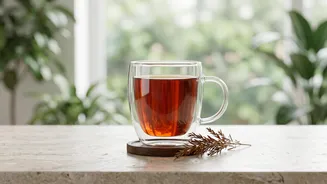







Not Your Average Tea
First things first: while it's often called 'red tea' or 'red bush tea', rooibos isn't technically a tea at all. True teas, like black and green, come from the Camellia sinensis plant. Rooibos, on the other hand, is an herbal infusion, or tisane, made
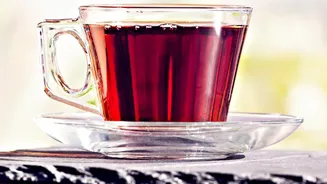
from the needle-like leaves of the Aspalathus linearis shrub. This distinction is crucial because it's the very source of its most celebrated qualities. The leaves are typically harvested, bruised, and fermented, a process which develops their signature reddish-brown colour and enhances their sweet, nutty flavour. There's also a green, unfermented version that offers a grassier taste and even higher antioxidant levels.
A Taste of the Cederberg Mountains
One of the most fascinating aspects of rooibos is its exclusive home. The Aspalathus linearis plant grows only in one small, mountainous region of South Africa: the Cederberg, located in the Western Cape. For over 300 years, the indigenous Khoisan people harvested wild rooibos, using it as a herbal remedy and a refreshing drink. Attempts to cultivate it elsewhere in the world have all failed, making it a true geographical treasure. This unique origin, tied to the specific soil and climate of the Cape Floral Kingdom, has even earned rooibos a Protected Designation of Origin status, much like Champagne in France.
The Caffeine-Free Advantage
Perhaps the biggest draw for the wellness-minded is that rooibos is naturally, completely caffeine-free. Unlike decaffeinated black or green teas, which undergo a process to remove the stimulant, the rooibos plant simply doesn't produce it. This makes it an ideal beverage for any time of day, especially in the evening. For those sensitive to caffeine or looking to reduce their intake, rooibos provides a warm, flavourful cup without the risk of jitters, anxiety, or disrupted sleep. Its calming properties are often celebrated by those seeking a soothing ritual to wind down before bed.
A Unique Antioxidant Profile
While green tea is famous for its catechins, rooibos boasts its own unique and powerful set of antioxidants, including aspalathin and nothofagin. Aspalathin, in particular, is a rare antioxidant found in significant amounts only in rooibos. These compounds help protect the body against damage from free radicals, which are linked to aging and chronic diseases. Studies suggest these antioxidants may help lower blood pressure, improve heart health by positively impacting cholesterol levels, and help manage blood sugar. It's also low in tannins, compounds that can interfere with the body's absorption of nutrients like iron, giving it another edge over traditional teas.
Brewing and Enjoying Rooibos
Rooibos is wonderfully forgiving to brew. Because it's low in tannins, it won't become bitter if you steep it for a long time. To prepare a hot cup, simply use boiling water and steep one to two teaspoons of loose-leaf rooibos (or one teabag) for at least 5 to 7 minutes; a longer steep will only create a richer flavour. It has a naturally sweet, earthy taste with hints of honey and vanilla that is delicious on its own. Many also enjoy it with a splash of milk, a slice of lemon, or a drizzle of honey. Its versatility extends to cold preparations as well, making a smooth and refreshing iced tea perfect for warmer days.