








Rethinking Protein for a Greener Plate
For decades, the mantra for muscle gain has been dominated by animal-based proteins like chicken, eggs, and whey. While effective, the environmental cost of industrial animal agriculture is significant, contributing to greenhouse gas emissions, land degradation,
and high water usage. A sustainable approach challenges this norm, not by eliminating protein, but by diversifying its sources. The good news from recent research is that plant-based diets, when properly structured, can be just as effective for muscle synthesis as omnivorous ones. Studies have shown no significant difference in muscle gain between groups using whey protein and those using plant-based supplements like soy or pea protein, as long as overall protein intake is sufficient. This means you can achieve your fitness goals without relying solely on traditional animal products.
The Powerhouse Plant-Based Pantry
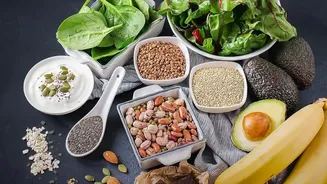
Building a sustainable muscle-gain diet starts in the kitchen. Stocking your pantry with high-protein, low-impact foods is key. Legumes are a cornerstone; lentils, chickpeas, and various beans are not only protein-rich but also packed with fibre, which aids digestion. Soy products like tofu and tempeh are incredibly versatile and complete protein sources, meaning they contain all nine essential amino acids. In the Indian context, this is nothing new—dal, chana, and rajma have been dietary staples for generations. Integrating more of these, alongside powerhouse grains like quinoa, millets (bajra), and oats, provides a robust foundation. Nuts and seeds like almonds, peanuts, and hemp seeds are also excellent for boosting protein and healthy fat intake. The strategy is to eat a wide variety of these foods daily to ensure you get a complete amino acid profile.
The Plant Advantage for Recovery
The benefits of a plant-forward diet extend beyond just sustainability and protein content. Plant-based foods are rich in antioxidants and anti-inflammatory compounds, which can enhance recovery. Intense exercise creates oxidative stress, and a diet high in fruits, vegetables, and whole grains helps your body combat this, potentially reducing muscle soreness and speeding up repair. Furthermore, the high fibre content in plant-based diets supports a healthy gut microbiome, which is increasingly being linked to everything from immune function to overall metabolic health. A healthy digestive system ensures you are efficiently absorbing all the nutrients from your food, which is critical when you're pushing your body through tough workouts.
Smart and Sustainable Supplementation
Protein powders are a convenient way to meet elevated protein needs, but not all are created equal in terms of environmental impact. Whey protein, a byproduct of the cheese industry, has a larger environmental footprint than its plant-based counterparts due to the resource-intensive nature of dairy farming. Plant-based protein powders derived from soy, pea, rice, or hemp have become highly effective alternatives, offering comparable muscle-building benefits with a lower environmental cost. For those on a fully plant-based diet, supplementing with Vitamin B12 is essential as it is not found in plant foods. Creatine, another popular and well-researched supplement for strength and muscle growth, is also a smart addition as it's primarily found in animal products. These supplements can help fill any nutritional gaps in a sustainable and targeted way.
Beyond the Plate: A Holistic Approach
A truly sustainable food strategy also involves being mindful of food waste and consumption patterns. Planning meals helps ensure you buy only what you need, reducing the likelihood of fresh produce going bad. Using all parts of your vegetables, embracing leftovers, and composting scraps are small but impactful habits. This holistic view aligns your fitness journey with a broader commitment to environmental stewardship. It's not about achieving perfection overnight but about making conscious, incremental changes. By choosing locally sourced produce when possible and reducing reliance on ultra-processed foods, you further decrease your carbon footprint while providing your body with higher-quality nutrients for optimal performance and growth.