
What is Happening Outside the Plane?
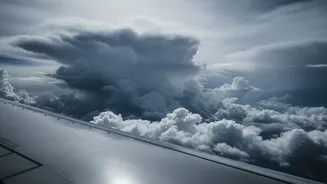
Turbulence is simply unstable air movement in the atmosphere. Think of it like a boat encountering choppy water. It can be caused by many conditions, including weather fronts, thunderstorms, air moving over mountains, or powerful, fast-moving air currents
called jet streams. Pilots are highly trained to anticipate and navigate these areas. However, one type, known as Clear-Air Turbulence (CAT), is particularly challenging because it is invisible to both the eye and standard weather radar, meaning it can occur without any warning in a clear blue sky. This type of turbulence often occurs at high altitudes where commercial jets cruise, typically near the jet stream where different air masses meet.
A Worsening Problem?
Recent studies suggest that incidents of severe Clear-Air Turbulence may be increasing. Research from scientists at the University of Reading indicates that severe CAT increased by 55% between 1979 and 2020 on busy North Atlantic routes. This trend is linked to climate change; as global temperatures rise, they can increase wind shear—the difference in wind speed or direction over a short distance—within the jet stream, creating more atmospheric instability and a higher likelihood of turbulence. While this doesn't mean every flight will be bumpier, it highlights the growing importance of passenger vigilance.
The Real Danger: Inside the Cabin
It's a common fear, but it's important to understand that turbulence will not cause a modern commercial airplane to crash. Aircraft are built to withstand incredible amounts of stress and G-forces far exceeding anything they would encounter in flight. The real danger during severe turbulence is what happens inside the cabin. An unexpected, violent jolt can effectively turn the cabin into a zero-gravity environment for a split second, followed by a powerful force downwards. Unbuckled passengers and crew can be thrown from their seats into the ceiling or against other surfaces, causing serious injuries. Common injuries include head, neck, and spinal trauma, as well as broken bones in arms and legs. Even unsecured items like laptops or carry-on luggage can become dangerous projectiles.
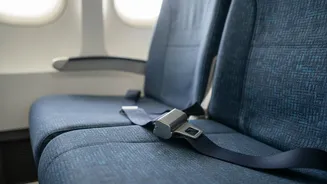
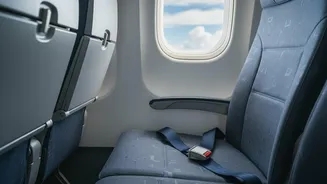
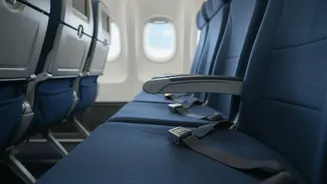
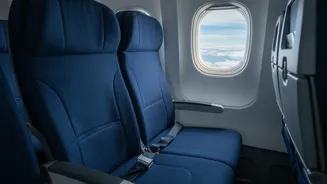
The Golden Rule: Stay Buckled Up
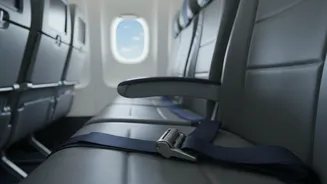
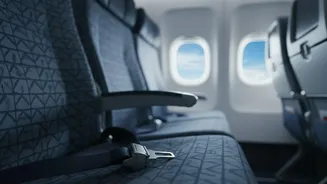
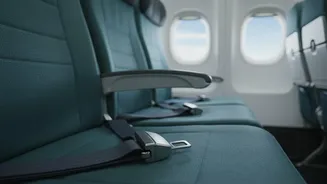
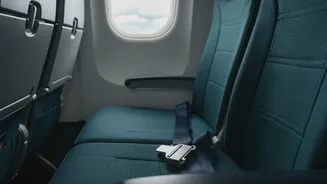
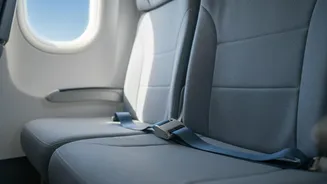
The single most effective way to prevent injury from turbulence is to keep your seatbelt fastened. According to the Federal Aviation Administration (FAA), the vast majority of turbulence-related injuries happen to passengers and crew who are not buckled in. Recent incidents underscore this point. On a flight from Phuket to Delhi on August 4, 2026, 17 people were injured when the plane hit severe turbulence and experienced a sudden loss of altitude. Similarly, severe weather led to five injuries on flights diverted to Colorado Springs on August 3, 2026. Aviation authorities universally recommend keeping your seatbelt on at all times when you are seated, even if the seatbelt sign is off. It is the best and simplest defense against an invisible and unpredictable threat.
Practical Steps for a Safer Flight
Beyond the seatbelt, there are other sensible precautions you can take. Always listen to and follow the instructions of the flight crew. They are trained professionals who prioritize your safety. Ensure your carry-on luggage is securely stowed in the overhead bin or under the seat in front of you. Be cautious with hot beverages, and consider waiting until the flight is smooth to have them served. For those who feel anxious, sitting in a seat over the wings may offer a slightly smoother ride, as it is closer to the aircraft's center of gravity. Ultimately, while pilots and airlines have sophisticated tools to predict and avoid turbulence, unexpected encounters are a reality of air travel. Your personal safety often comes down to the simple, proactive step of staying seated and secured.