


A Treasure Trove From a Fleeting Visit
In July 2015, NASA's New Horizons spacecraft screamed past Pluto, giving humanity its first close-up look at the mysterious world. For years, it had been just a faint, fuzzy dot. Suddenly, it was a complex planet with towering water-ice mountains and
vast frozen plains. The spacecraft was a data-gathering machine, designed to capture as much information as possible during its single, high-speed pass. It collected over 50 gigabits of data, a treasure trove that took 15 months to fully transmit back to Earth. Scientists knew then that the initial, spectacular images were just the beginning. The real work would be in the years of analysis, sifting through the data to understand the story Pluto had to tell.
The Puzzling Heart of Pluto
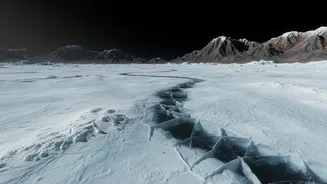
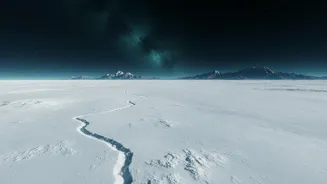
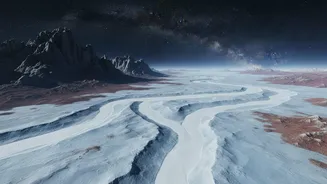
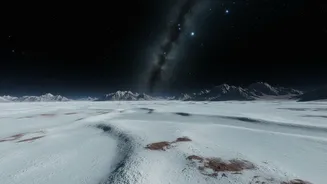
One of the most iconic features revealed was Sputnik Planitia, a huge, heart-shaped basin filled with frozen nitrogen. This vast glacier, larger than Texas and Oklahoma combined, showed signs of geological activity, with city-sized cells of ice slowly churning in a process called convection. The surface was surprisingly young, almost free of craters, indicating it was constantly being resurfaced. Early analysis of the images revealed dark streaks and patterns at the northern edge of the glacier that looked similar to features on Earth's glaciers when wetted by water. But Pluto's frigid environment and thin atmosphere made liquid nitrogen rain impossible, leaving scientists with a puzzle.
A Breakthrough in the Ice
Now, more than a decade after the flyby, a new study has provided a stunning answer. A team led by New Horizons' principal investigator, Alan Stern, has presented evidence that liquid nitrogen is, in fact, flowing on Pluto—not from rain, but from below. Published in the Planetary Science Journal, the research suggests that liquid nitrogen is rising from beneath the Sputnik Planitia glacier through cracks and fissures. Computer models showed that the immense pressure at the base of the kilometers-deep glacier could be enough to melt the nitrogen ice, allowing it to well up to the surface. This subsurface liquid then briefly flows, wetting the ice and creating the dark features seen in the 2015 photos before it refreezes.
Unlocking the Secrets of Old Data
This discovery is more than just a fascinating new fact; it's a new analytical tool. It provides a physical model that helps explain previously mysterious observations. Armed with this new understanding of active nitrogen flow, scientists can now re-examine the entire 2015 dataset with fresh eyes. Features that once seemed ambiguous or unexplainable can be re-evaluated. For example, the dark streaks that seemed like ancient, dried-up riverbeds are now understood as evidence of recent, and possibly ongoing, geological activity. This new framework allows researchers to more accurately map the planet's geology and understand the dynamic processes that are shaping it in near-real time, despite the data being over a decade old.