



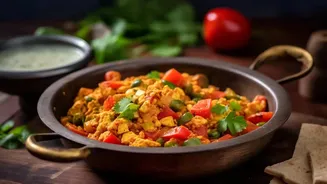

Check the Colour and Texture
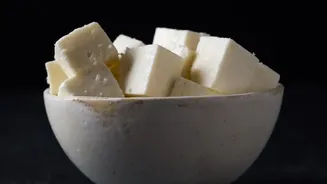
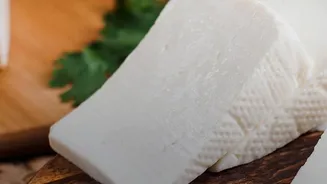
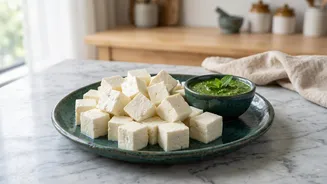
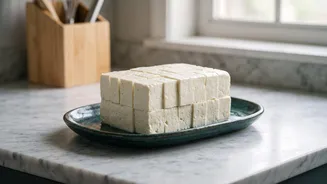
The first check is purely visual and tactile. Fresh, high-quality paneer should have a natural, creamy off-white colour, not a stark, bleached white. An unnaturally white appearance might indicate the use of chemical whiteners. The texture is equally
important. Good paneer should be soft and slightly spongy, but still firm enough to hold its shape when cut. If you press it gently, it should have a slight bounce and crumble neatly. A block that feels overly hard, rubbery, or elastic is a major red flag, often pointing to adulteration with starch or other fillers. Conversely, paneer that is excessively soft, mushy, or sticky might be old or poorly made.
Trust Your Sense of Smell
Before you pay, give the paneer a quick sniff. Fresh paneer has a very mild, pleasant, and slightly sweet milky aroma. It should not have a strong or overpowering scent. If you detect any sour, acidic, or chemical-like smells, it’s best to avoid it. A sour odour is a clear indicator of spoilage, meaning the paneer is past its prime. A soapy or chemical scent can be even more concerning, suggesting potential adulteration with substances like detergent, which have been found in some raids on fake paneer producers. Your nose is one of the most effective tools for quickly assessing freshness, so don't ignore this simple step.
Read the Label on Packaged Paneer
When buying packaged paneer, the label is your best friend. Always check the manufacturing date and the 'use-by' or expiry date to ensure you're getting the freshest product available. Look for a clean, minimal ingredient list; authentic paneer should ideally just be milk and an acidic coagulant like lemon juice or vinegar. Be wary of products with long lists of stabilisers or additives. Critically, check for the FSSAI license number, which shows the manufacturer is registered with India's food safety authority. Some products are 'analogue paneer', made with vegetable fats and starch instead of milk. By law, these should be labelled clearly, so look for terms like 'analogue' or 'imitation product'.
Do a Simple Crumble Test
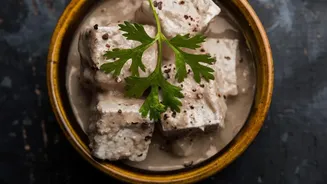
One of the most telling signs of quality is how paneer behaves when you break it. Ask the vendor if you can crumble a tiny piece between your fingers. Pure, authentic paneer will break apart into clean, slightly grainy crumbles. It should feel moist but not watery. On the other hand, fake paneer often behaves differently. If it falls apart into a sticky paste or feels gooey, it's likely been bulked up with artificial ingredients. If it doesn't crumble at all and feels more like rubber, stretching instead of breaking, it may contain starch or other binding agents used to increase its weight and mimic the texture of real paneer. This simple test reveals a lot about the paneer's internal structure and purity.
Consider the Source and Price
Where you buy your paneer matters. Whenever possible, purchase from a trusted and reputable dairy, a well-known brand, or a local vendor you have a good relationship with. These sources are more likely to adhere to quality standards. While it's tempting to go for the cheapest option, an unusually low price can be a warning sign of compromised quality or adulteration. Producing pure paneer from fresh milk is a costly process, and prices that seem too good to be true often are. If buying loose paneer from an unknown vendor, be extra vigilant with all the sensory checks—colour, smell, and texture. Building trust with your source is a long-term strategy for ensuring you always bring home fresh, safe, and delicious paneer.